Ordering bags in bulk from India is one of the smartest procurement decisions a business can make. Whether you run a retail chain, manage corporate gifting for a large company, operate a tour group, or export goods internationally, India offers unmatched variety, quality, and pricing for bulk bag orders. This guide walks you through every step of the process so you can place your first order with confidence.
Why Order Wholesale Bags from India
India is among the world's top three producers of jute, non-woven fabric, cotton, and canvas bags. Several factors make India the preferred sourcing destination for bulk bags:
- Cost advantage: Factory-direct pricing in India is typically 30 to 60 percent lower than buying from local wholesalers or importers in Western markets
- Material range: Non-woven, jute, cotton, canvas, polyester, nylon, and recycled fabric bags are all available from Indian manufacturers
- Custom printing: Screen printing, heat transfer, and digital printing are standard offerings, even for MOQs as low as 500 units
- Export infrastructure: India has mature export processes for bulk goods. Most manufacturers are familiar with CIF, FOB, and DDP terms
At BEEL Bags, we have been manufacturing and supplying bulk bags since 1996 from our Mumbai factory. We supply to corporate buyers, retailers, NGOs, government agencies, and export clients across 20+ countries.
Step 1: Know What Type of Bag You Need
India manufactures every bag type. Before contacting a supplier, be clear about which category fits your requirement.
| Bag Type | Best For | Typical MOQ | Price Range (Per Piece) |
|---|---|---|---|
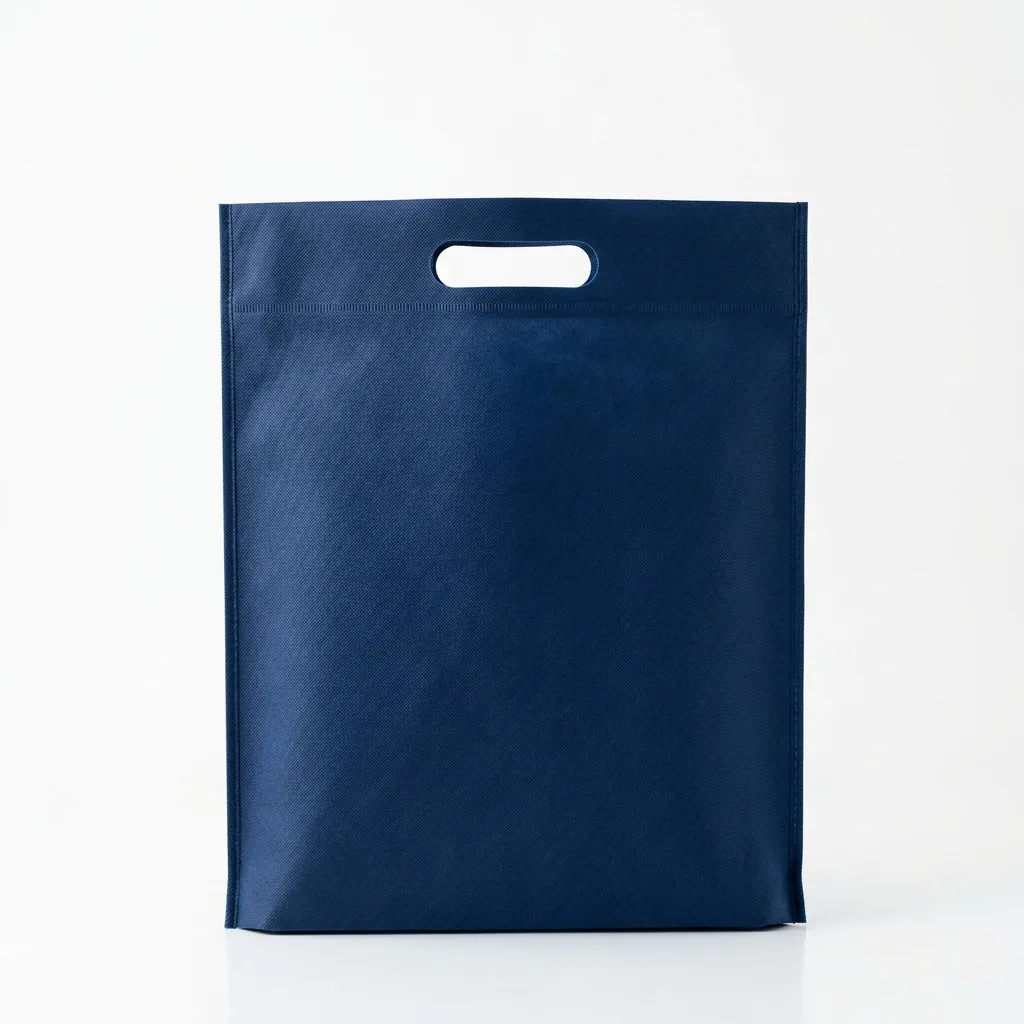
| Non-Woven Bags | Retail packaging, corporate events, gifting | 500 units | Rs. 18 to Rs. 80 |
| Cotton/Canvas Tote Bags | Retail, promotions, fashion, export | 500 units | Rs. 60 to Rs. 250 |
| Jute Bags | Retail, gifting, eco-friendly branding | 500 units | Rs. 90 to Rs. 350 |
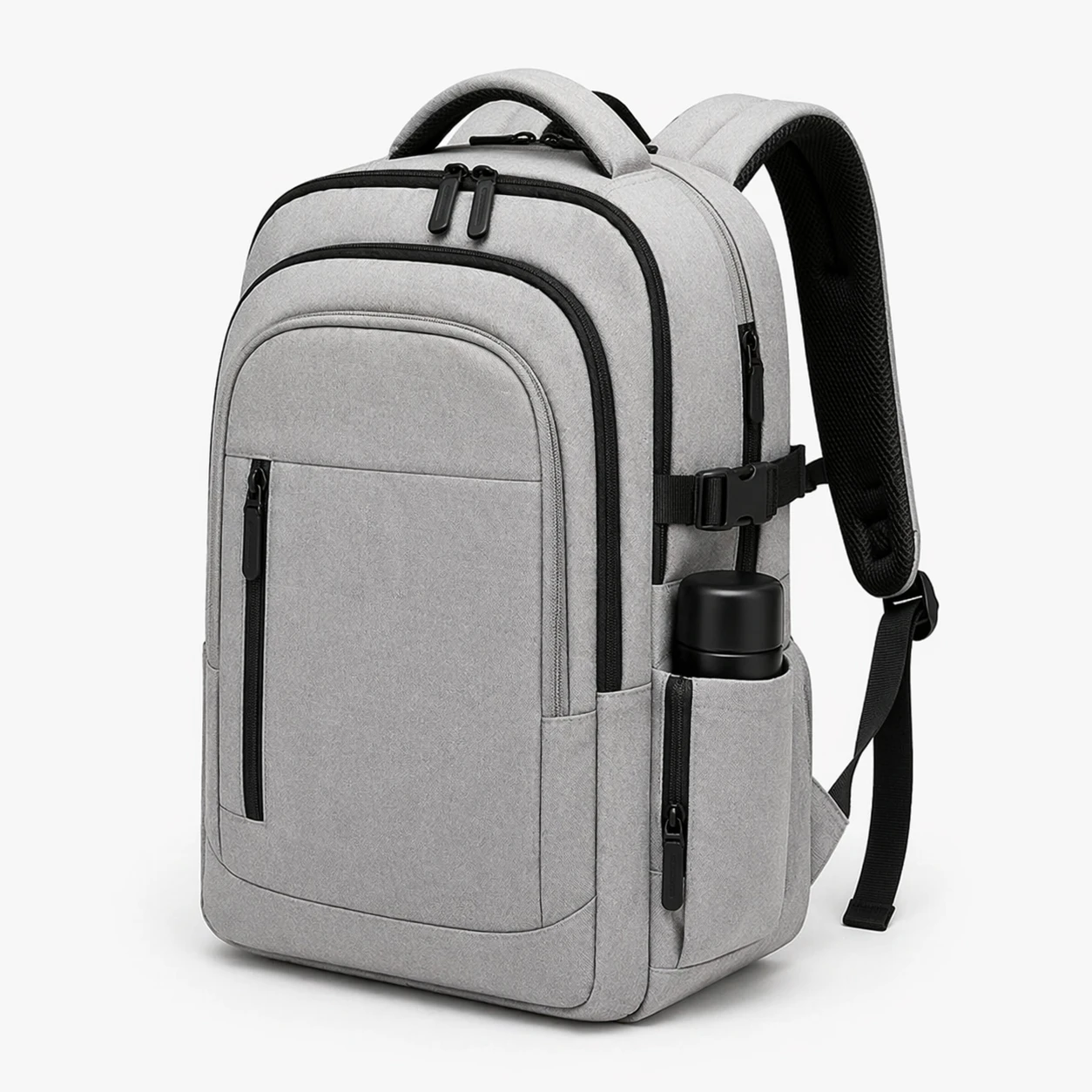
| Laptop/Office Bags | Corporate gifts, employee kits | 100 units | Rs. 350 to Rs. 2,500 |
| File/Document Bags | Seminars, conferences, offices | 100 units | Rs. 120 to Rs. 600 |
| Travel Bags | Tour operators, corporate travel kits | 100 units | Rs. 400 to Rs. 3,000 |
| Saree/Suit Covers | Garment retailers, textile businesses | 500 units | Rs. 9 to Rs. 40 |
Step 2: Define Your Customisation Requirements
Indian manufacturers can customise almost every aspect of a bag. When you approach a supplier, be ready to share:
Bag Specifications
- Size: Length x Width x Gusset (in inches or centimetres). If you are unsure, share the items that will go inside the bag and the factory will suggest dimensions.
- Material and GSM: For non-woven bags, 70 to 120 GSM is the common range. Higher GSM means thicker, more durable fabric. For canvas, 8 oz to 14 oz is standard.
- Handle type: Loop handles, rope handles, webbing straps, or zipper-close are common options
- Colour: Most factories stock 15 to 25 standard fabric colours. Custom colours are possible for orders above 2,000 units
Printing Requirements
- Share your logo in AI, EPS, or PNG format (minimum 300 DPI)
- Specify print colours (Pantone or CMYK codes preferred)
- Mention which face(s) need printing and the approximate print size
- For text in Hindi or regional languages, share the text in the correct script
Step 3: Request Samples Before Bulk Order
Never place a large order without reviewing a physical sample. This is true even if you have ordered from the same supplier before, because fabric batches and printing inks can vary.
What to check when you receive a sample:
- Stitching quality at seams and handle attachment points
- Print sharpness, colour accuracy, and position alignment
- Fabric weight and texture (compare to the GSM quoted)
- Handle strength (pull test)
- Zipper or closure quality if applicable
At BEEL Bags, samples are typically ready within 3 to 5 working days. The sample cost is adjusted against your bulk order when you proceed. Request a sample here.
Step 4: Understand the Pricing Structure
Bulk bag pricing in India depends on several factors:
Factors That Affect Price
- Quantity: The single biggest factor. A 5,000-piece order can cost 25 to 40 percent less per unit than a 500-piece order
- Material: Non-woven is cheapest, followed by canvas, then jute, then premium polyester
- Number of print colours: Each additional print colour adds to the cost
- Accessories: Zippers, D-rings, foam padding, inner lining all add cost
- Customisation complexity: Multi-pocket designs, gusseted bases, and reinforced bottoms increase stitching time and cost
| Order Quantity | Typical Discount vs Minimum Batch |
|---|---|
| 500 to 999 units | Base price (MOQ rate) |
| 1,000 to 2,499 units | 8 to 15 percent lower |
| 2,500 to 4,999 units | 15 to 25 percent lower |
| 5,000 units and above | 25 to 40 percent lower |
Step 5: Place Your Order and Track Production
Once you approve the sample and agree on pricing:
- Sign a purchase order: Include quantity, price per unit, specifications, delivery date, and payment terms clearly in writing
- Pay the advance: Most Indian manufacturers require 30 to 50 percent advance before production begins
- Pre-production sample: Request a production-batch sample before full printing begins. This catches any last-minute issues
- Production timeline: Standard lead time is 7 to 21 working days depending on quantity and complexity
- Quality inspection: For large orders, consider a third-party quality check or request a video inspection
Step 6: Delivery and Logistics
For domestic orders within India, courier or freight transport is straightforward. For export orders:
- Courier (DHL, FedEx, UPS): Best for orders up to 100 kg. Door-to-door, fast (5 to 10 days international)
- Air freight: Cost-effective for 100 to 500 kg shipments
- Sea freight: Best for large orders (500 kg and above). Takes 15 to 40 days but significantly cheaper per unit
BEEL Bags handles export documentation, packing lists, and commercial invoices for all international shipments. We have experience exporting to the UK, USA, UAE, Saudi Arabia, Australia, and Singapore.
Common Mistakes When Ordering Wholesale Bags in India
- Skipping the sample stage: Always sample before bulk production
- Choosing price over quality: The cheapest quote often means lower GSM fabric and poor stitching that fails after a few uses
- Unclear artwork files: Low-resolution logos result in blurry prints. Always share vector files
- No written agreement: Always have specifications and delivery dates in a signed purchase order
- Ignoring lead time: For seasonal orders (Diwali, Christmas, Eid), place orders at least 6 to 8 weeks in advance
Why Choose BEEL Bags for Your Wholesale Order
BEEL Bags is a Mumbai-based manufacturer with 28 years of experience in bulk bag production. We manufacture everything in-house, from raw fabric to finished product, which means:
- No middlemen and no inflated pricing
- Full quality control at every production stage
- Flexible MOQs starting at 100 units for some bag types
- Fast turnaround with dedicated production slots for urgent orders
- Export experience across 20+ countries
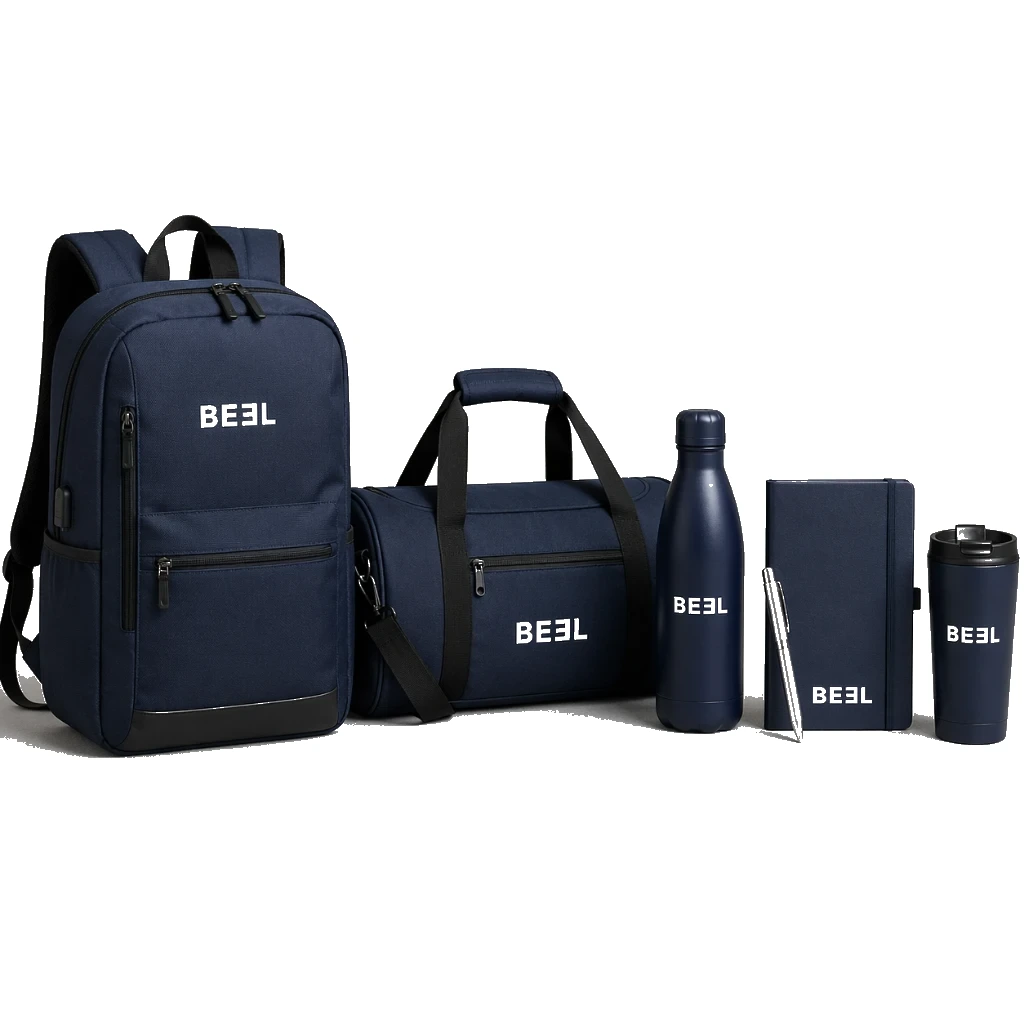
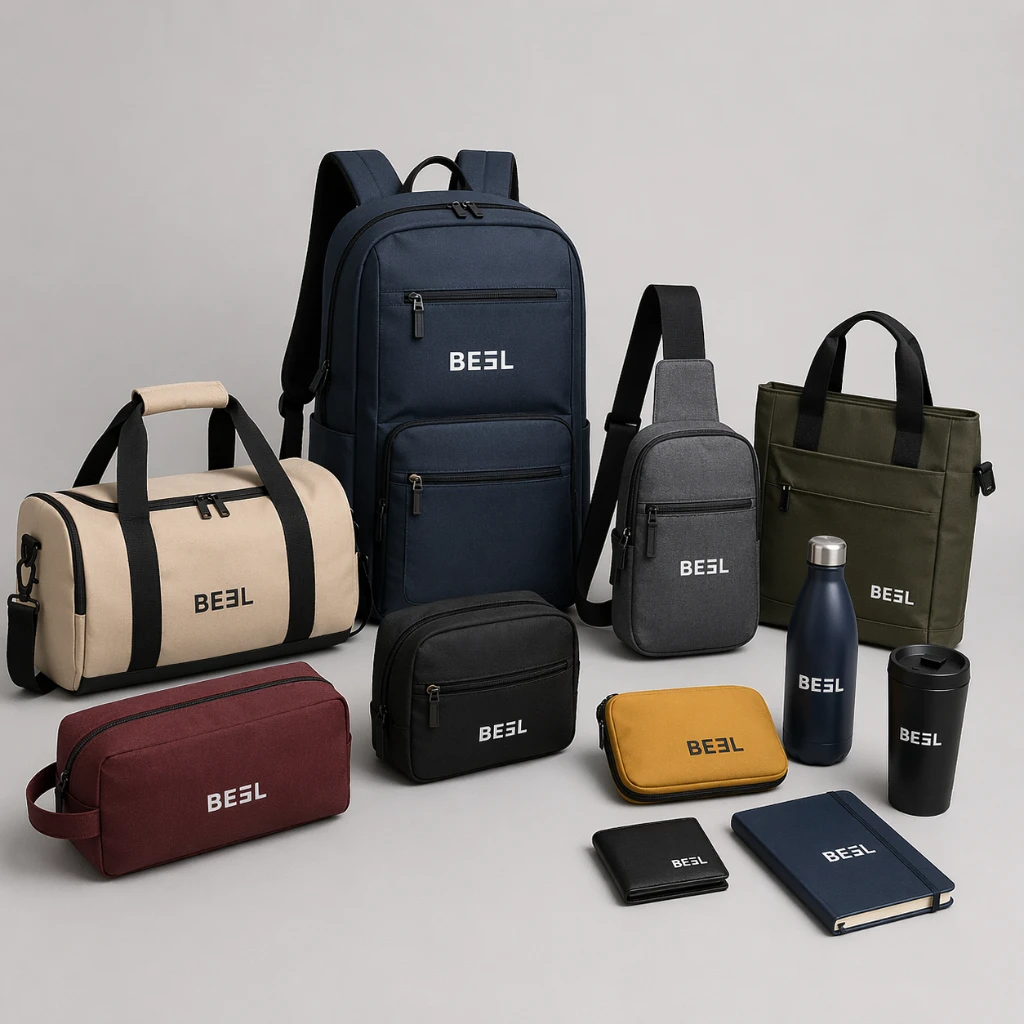
We produce non-woven bags, canvas and cotton tote bags, corporate laptop bags, file and document bags, travel and pilgrimage kits, and garment covers.
Frequently Asked Questions
What is the minimum order quantity for bags in India?
It depends on the bag type. Non-woven and garment bags typically have a minimum of 500 units. Laptop bags, file bags, and travel bags can be ordered from 100 units. Contact BEEL Bags to confirm the MOQ for your specific requirement.
How long does production take for a bulk order?
Standard orders take 7 to 21 working days after sample approval and advance payment. Urgent orders can sometimes be done faster with a small premium.
Can I get bags with my company logo printed in Hindi?
Yes. BEEL Bags prints in both Hindi (Devanagari) and English via screen printing on non-woven, canvas, and jute bags.
Do you supply outside India?
Yes. We export to the UK, USA, UAE, Australia, Saudi Arabia, Singapore, and other countries. We handle all export documentation.
How do I pay?
For domestic orders: bank transfer (NEFT/RTGS), UPI, or cheque. For international orders: wire transfer (T/T) or Letter of Credit (LC).
Get a Free Quote for Your Bulk Order
Practical Quality Inspection Procedures for Bulk Sourcing
Ensuring the quality of a bulk bag shipment requires a systematic inspection process. Whether you are buying canvas totes, polyester backpacks, or non-woven shopping carriers, use these standard quality tests before approving dispatch from the factory:
1. Seam Strength and Tensile Test
The durability of a bag depends on its seam construction. Choose random samples from the production line and load them with weight exceeding the rated carrying capacity by 50 percent (for example, load a 10 kg rated backpack with 15 kg of weight). Lift the bag by the straps and handles, shake it gently, and inspect the stitch points for any loose threads or fabric stretching.
2. Stitch Count Verification
Standard retail and corporate bags should have a stitch density of 6 to 8 stitches per inch. Lower stitch density (fewer than 4 stitches per inch) reduces the bag's tear resistance, causing seams to split open under load. Check that nylon binding tapes are stitched cleanly along all raw interior edges to prevent fraying.
3. Colorfastness and Rub Test
Promotional bags are often exposed to sweat, rain, and washing. Rub the printed logo area with a wet white cloth using moderate pressure. The ink should not transfer to the cloth. Check that the fabric color does not bleed when exposed to water, which is particularly important for dyed cotton, canvas, and jute bags.
4. Zipper and Puller Endurance Check
Open and close all zippers on the sample bag at least 20 times. The runner should move smoothly along the track without catching the inner lining fabric. The zipper teeth should stay aligned and not split open when pressure is applied to the side panels.
Supply Chain Optimization and Regional Logistics in India
India's vast geography requires choosing the right logistics mode to balance transport costs and delivery timelines. When shipping bulk bags from a manufacturing hub like Mumbai, consider these primary options:
1. Road Transport (LTL and FTL Cargo)
Road transport is the standard choice for domestic deliveries within India. For shipments under 2,000 kg, LTL (Less-than-Truckload) services through established networks (like TCI, V-Trans, or Gati) offer a balance of cost and speed. For larger orders, FTL (Full-Truckload) transport provides direct, faster delivery to your warehouse. Transit times from Mumbai to Pune are 1 day; to Ahmedabad or Bangalore, 2 to 3 days; and to Delhi or Chennai, 4 to 6 days.
2. Rail Cargo Networks
Rail transport is highly cost-effective for long-distance domestic shipments exceeding 1,000 km (for example, Mumbai to Kolkata or Guwahati). It is more eco-friendly than road transport and is less affected by weather conditions. However, it requires local transport to and from the railway stations, which must be planned in advance.
3. JNPT Port Export Clearance
For international export orders, Mumbai's Jawaharlal Nehru Port Trust (JNPT) is the primary gateway. Sourcing from a Mumbai-based factory simplifies JNPT shipping, as container loading, custom documentation, and port entry are handled locally. This reduces transit delays compared to inland factories that must transport cargo to sea ports via rail or road.
Cost Breakdown and Price Negotiation Strategies for Wholesale Buyers
Understanding how manufacturers structure their quotes helps buyers negotiate fair pricing and optimize order specifications. Bulk bag pricing is determined by four main factors:
1. Fabric and Raw Material Cost
This is the largest component, accounting for 50 to 70 percent of the unit price. Material cost is calculated by weight (GSM for non-woven, ounces for canvas, and fabric width for polyester). Sourcing during off-peak textile seasons or choosing standard stock colors helps lower raw material costs.
2. Stitching and Labor Charges
This covers the time required to cut, sew, and assemble the bag. Bags with complex pocket layouts, inner linings, padded compartments, and zippers require more stitching time and have higher labor charges. Simplifying the design reduces the cost per unit.
3. Printing and Setup Fees
Screen printing requires creating a stencil screen for each color in your logo. Setup fees are fixed, meaning they are spread thin over large quantities. Adding multiple print colors increases the setup and printing charge. Focus on single-color or dual-color logos to minimize printing costs.
4. Packaging and Freight Charges
Standard packaging involves packing bags in bulk cartons. Requesting individual plastic wraps or custom tags adds to the packaging labor and material cost. Shipping costs are calculated by volume and weight, so compressing and folding bags tightly before boxing lowers freight fees.