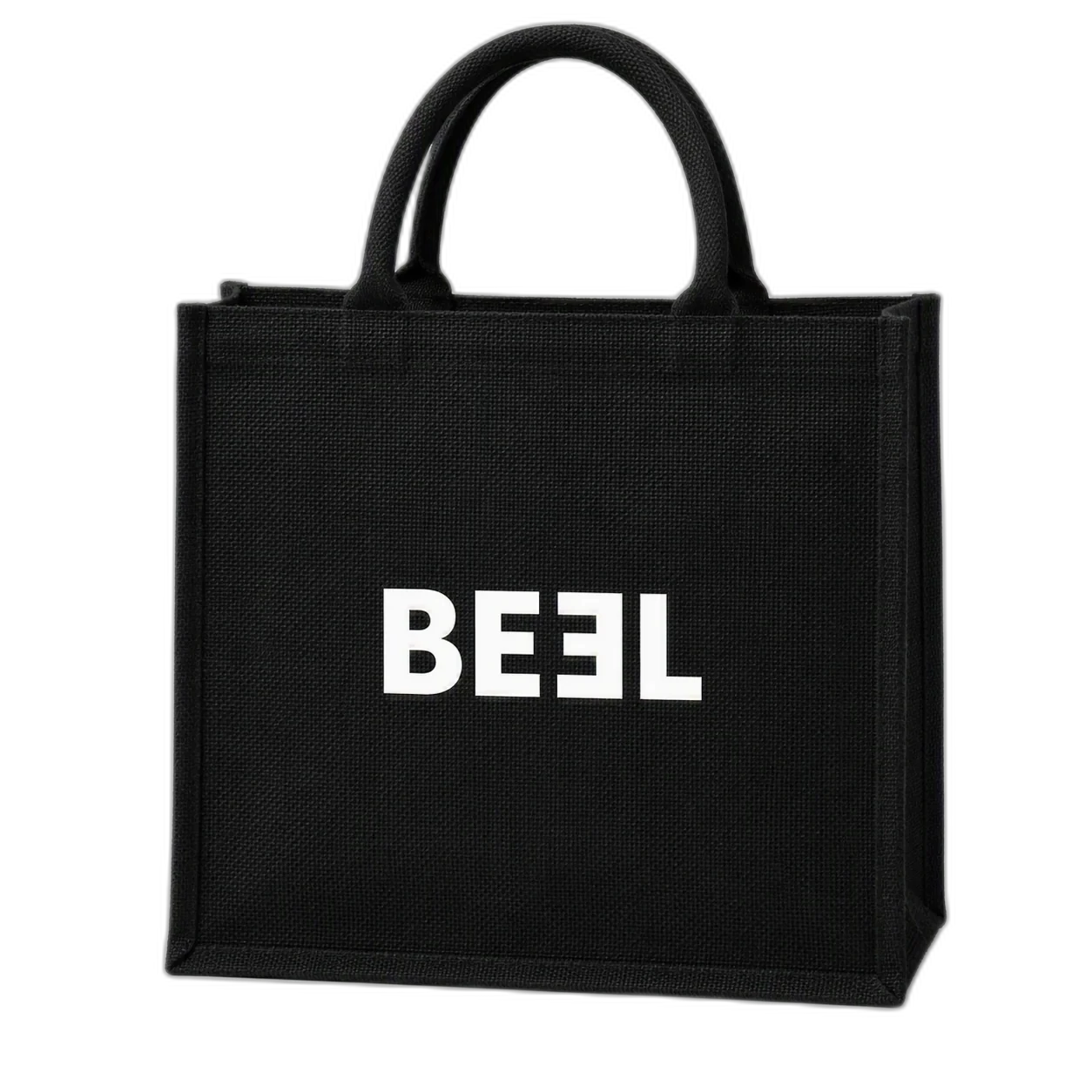
"Eco-friendly bags" is one of the most searched phrases by companies and retailers looking to move away from single-use plastic, and one of the least precise. Jute, cotton, canvas and non-woven polypropylene are all marketed as "eco-friendly," but they differ enormously in cost, durability, and how defensible that sustainability claim actually is. This guide compares all four head-to-head so you can pick the right material for your specific use case, rather than the one with the best-sounding marketing copy.
The Four Main Eco-Friendly Bag Materials, Compared
| Material | Biodegradable? | Typical Load | Durability | Bulk Cost | Best For |
|---|---|---|---|---|---|
| Jute | Yes, fully compostable | 10-15 kg | Very high | Higher | Premium gifting, ESG-reportable programmes |
| Cotton / Canvas | Yes, fully compostable | 8-12 kg | High, washable | Medium-high | Retail totes, branded merchandise, repeat-use giveaways |
| Non-Woven (PP) | No, it's a plastic product, reusable not biodegradable | 5-8 kg | High, 50-100+ reuse cycles | Lowest | High-volume corporate gifting, exhibitions, retail carry bags |
| Recycled PET | No, but diverts plastic waste from landfill | 6-10 kg | High, water-resistant | Medium | Brands wanting a "made from recycled bottles" story |
The most important thing to understand before ordering: "eco-friendly" doesn't mean the same thing for all four. Jute, cotton and canvas are genuinely biodegradable natural fibres. Non-woven polypropylene bags are not biodegradable, their sustainability case rests entirely on reusability replacing single-use plastic, not on being "plastic-free." Recycled PET sits in a third category: it's not biodegradable either, but it gives a genuine circular-economy story since it's manufactured from post-consumer plastic bottles rather than virgin material. If the biodegradable-versus-recycled distinction matters for your compliance or marketing needs, it's worth deciding which specific claim your programme needs to make before choosing a material.
1. Jute Bags, The Premium, Fully Biodegradable Choice
Jute bags are spun from a natural plant fibre grown across eastern India, and they compost fully at end of life. They're the strongest of the four materials pound for pound, comfortably carrying 10-15 kg without strain, which makes them the default choice for premium corporate gifting, client hampers, and any programme where the bag itself needs to communicate quality. Jute costs more per unit than the alternatives, but for gifting-tier orders the material cost is a small fraction of the overall hamper value. Jute also takes screen printing, block printing and digital printing well, so branding quality isn't a trade-off for choosing the more sustainable material.
2. Cotton and Canvas, Reusable, Washable, Everyday-Practical
Canvas totes and lighter cotton bags sit between jute and non-woven on cost, and they're the most practical for genuine daily reuse, washable, durable, and familiar as an everyday shopping tote. This is why cotton and canvas bags get reused the longest after a corporate gifting or retail branding campaign: recipients keep using them for years, which means your branding keeps circulating long after the original event. Organic and GOTS-certified cotton is available for programmes that need a documented certification rather than a generic "cotton" claim, at a modest cost premium over standard cotton.
3. Non-Woven (PP) Bags, Lowest Cost, Genuinely Reusable, Not Biodegradable
Non-woven bags are the most economical option at bulk volume and remain fully reusable across 50-100+ use cycles at 80+ GSM, which makes them dramatically better for the environment than single-use plastic, but they are still, materially, a plastic product (polypropylene), not a biodegradable one. This distinction matters if your company needs to make an accurate sustainability claim: "reusable, replacing single-use plastic" is defensible; "plastic-free" is not, for this material specifically. Several Indian states also apply minimum-GSM thresholds to non-woven bags under plastic-ban rules, so confirming the GSM in writing matters for compliance as well as durability.
4. Recycled PET Bags, The Circular-Economy Option
Recycled PET (rPET) fabric is woven from fibre reclaimed from post-consumer plastic bottles, giving it a genuinely different sustainability story from either the natural fibres or virgin non-woven polypropylene: rather than being biodegradable, its case rests on diverting existing plastic waste from landfill and avoiding new virgin plastic production. rPET bags are water-resistant and hold up well to repeated travel or outdoor use, which makes them a strong fit for eco-friendly travel bags, conference totes, and any programme that wants to cite a specific, verifiable "made from X recycled bottles" statistic in its marketing. Certification documentation for the recycled content percentage is available on request and is worth confirming before committing to volume if this claim will be used externally.
How to Choose: A Decision Framework
- Need the lowest cost at high volume, and reusability (not biodegradability) is the goal? Non-woven is the right choice, exhibition giveaways, retail carry bags, high-headcount corporate gifting.
- Need genuine biodegradability for an ESG report or plastic-free claim? Jute, cotton or canvas, not non-woven or rPET, regardless of GSM or marketing language.
- Need maximum durability and premium feel for client-facing gifting? Jute, for its strength and natural texture.
- Need everyday practicality and long-term reuse (retail, branded merchandise)? Cotton or canvas, the most likely to still be in daily use a year later.
- Want a specific "diverted from landfill" statistic for marketing? Recycled PET, provided the supplier can document the recycled content percentage.
- Budget is tight and volume is very high (5,000+ units)? Non-woven remains the most cost-effective way to move away from single-use plastic, even if it isn't itself biodegradable.
Cost Ranges at a Glance
Exact pricing depends on size, print complexity and order volume, but as a general planning guide: non-woven bags typically run ₹25-80 per piece depending on GSM and print, jute bags run ₹150-350 depending on size and finish, cotton/canvas totes fall in a broadly similar range to jute depending on GSM and construction, and recycled PET bags sit in between non-woven and jute on a per-unit basis. Higher order quantities bring the per-unit cost down across all four materials, and print complexity (single-colour versus full-colour, one side versus both) is usually a bigger swing factor within a material than the base fabric choice itself.
What "Eco-Friendly" Claims to Verify Before You Order
Whichever material you choose, ask your supplier for these specifics rather than accepting "eco-friendly" as a blanket claim:
- GSM/fabric weight in writing, determines both durability and, for non-woven, whether the bag meets state-level minimum-GSM thresholds that some regions apply to plastic bag restrictions.
- Fibre source verification, for jute and cotton, ask whether the fibre is virgin, recycled, or a blend; this affects both cost and the specific sustainability claim you can make.
- Recycled content percentage, for rPET specifically, ask what share of the fabric is genuinely reclaimed plastic versus virgin polyester blended in for cost or durability reasons.
- Dye and ink specifications, water-based, low-VOC printing inks are a genuine sustainability differentiator that's easy to overlook next to the headline material choice.
- Certification documentation, if your programme needs to cite a specific standard (organic cotton certification, recycled-content percentage), confirm the supplier can provide it before committing to volume.
- End-of-life guidance, ask whether the supplier can provide a short, accurate line about how the bag should be disposed of or recycled at the end of its life, useful for any care-label or insert card.
Common Marketing Mistakes to Avoid
The single most common mistake in eco-friendly bag marketing is treating all four materials as interchangeably "green." A non-woven bag described as "plastic-free" is inaccurate and, if challenged publicly, embarrassing to defend. A more precise and equally compelling claim, "reusable across 100+ uses, replacing single-use plastic bags", is both accurate and genuinely persuasive. Similarly, describing a recycled PET bag as "biodegradable" is incorrect; the accurate and still strong claim is that it diverts plastic waste from landfill and avoids new virgin plastic production. Getting this language right matters more than it might seem: procurement and sustainability teams increasingly fact-check supplier claims before signing off on bulk orders, and inaccurate labelling is one of the easiest things for a challenger to catch.
Matching Material to Use Case: Quick Reference
For corporate onboarding and welcome kits, see our dedicated guide on employee welcome kits and the related piece on zero-waste, furoshiki-style onboarding for a premium-tier option. For retail carry bags and shopping totes, non-woven and cotton canvas are the two most common choices depending on budget and expected reuse. For conference and event gifting, jute and rPET both perform well since delegates tend to keep well-made bags rather than discard them. For food-adjacent use cases like cooler and lunch bags, material choice is driven more by insulation performance than by the biodegradable-versus-reusable distinction covered here, though the outer shell fabric can still be chosen with sustainability in mind.
Where These Materials Come From: A Quick Sourcing Overview
Jute is grown almost entirely in the Ganges delta region, spanning West Bengal, Bihar, Assam and parts of Bangladesh, and India remains one of the two largest jute producers in the world alongside Bangladesh. Cotton is grown much more widely across India, with Gujarat, Maharashtra, Telangana and Madhya Pradesh among the largest producing states, and organic/GOTS-certified cotton typically comes from a smaller pool of certified farms and ginning units that keep the certified fibre separate from conventional cotton throughout processing. Non-woven polypropylene fabric is manufactured rather than grown, produced from polypropylene granules through a spunbond or meltblown process at dedicated fabric mills, several of which are concentrated in and around Gujarat and Maharashtra. Recycled PET fabric is spun from shredded and re-extruded post-consumer PET bottles, typically sourced through India's established plastic-recycling and bottle-collection supply chain before being woven into fabric. Knowing roughly where a material comes from is useful context when a supplier makes a specific regional or "locally sourced" claim, since it's easy to check whether that claim is plausible.
Durability and Realistic Lifespan by Material
Marketing copy often describes bags as simply "durable" without giving a sense of what that means in practice. As a rough real-world guide: a well-made jute tote with reinforced stitching typically holds up to daily or near-daily use for one to two years before handle or seam wear becomes noticeable, cotton canvas totes often last two to four years with occasional washing given the fabric's inherent strength, non-woven bags at 80 GSM or above commonly survive 50 to 100+ carrying cycles before visible wear, which for an occasional-use bag can translate to well over a year of practical life, and recycled PET bags tend to sit closer to canvas in lifespan given their water-resistant, tightly woven construction. None of these figures are a guarantee, since actual lifespan depends heavily on load weight, handle construction and how the bag is used, but they're a more useful planning reference than an unqualified "durable" claim.
Comparing the Environmental Case Against Single-Use Plastic
Whichever of the four materials a company chooses, all of them represent a meaningful improvement over single-use plastic carry bags on the metric that matters most for corporate and retail use: the number of times the bag is actually reused before disposal. A single-use plastic bag is, by definition, used once. Even a modest non-woven bag reused only 10 to 15 times already represents a substantial reduction in plastic-bag-equivalent waste, and the 50 to 100+ reuse cycles typical of a decent-quality non-woven bag pushes that reduction much further. Natural fibre bags add a second benefit on top of reuse: because they biodegrade at end of life rather than persisting in landfill or waterways, they close the loop in a way non-woven and recycled PET bags, both fundamentally plastic products, cannot. This is worth stating plainly in any internal sustainability communication rather than treating "eco-friendly" as a single undifferentiated category.
Export and International Buyer Considerations
For companies sourcing bags for export or for use outside India, material choice can also interact with destination-market rules. The European Union, United Kingdom and several US states have their own plastic-bag and packaging regulations, some of which set minimum thickness or reusability thresholds for non-woven bags similar to India's state-level rules, and some of which favour or mandate biodegradable or recycled content for specific product categories. Buyers exporting from India should confirm the specific compliance requirement for their destination market before finalising material choice, since a bag that satisfies Indian regulations does not automatically satisfy every export market's rules. Material and GSM documentation, along with recycled-content certification where relevant, is typically the first thing an overseas compliance or procurement team will ask for.
Care and Maintenance to Maximise Bag Lifespan
Getting the full expected lifespan out of any of these materials depends partly on how the bag is cared for after it leaves the factory, and this is worth including as guidance for whoever receives the bags. Jute holds up best when kept dry and away from prolonged direct sunlight, which can gradually weaken the fibre; light spot-cleaning rather than full machine washing is generally recommended. Cotton and canvas totes are the most forgiving of the group and can typically be machine washed on a gentle cycle, which is part of why they last the longest in daily-use scenarios. Non-woven bags should not be machine washed, since the bonded fibre structure that gives them their strength can break down under agitation; a damp cloth wipe is the safer option. Recycled PET bags tolerate light washing reasonably well given their tighter weave, though harsh detergents are best avoided. Passing this guidance along, even as a short line on an insert card or a note in the order confirmation, measurably extends how long a branded bag stays in circulation and looking presentable.
Ordering Timeline and Sampling
Regardless of material, the practical ordering sequence is broadly similar: confirm size, GSM, colour and print specification, receive a physical pre-production sample (typically five to ten working days), approve or request adjustments, then move to the full bulk production run. Lead times for the bulk run itself vary by material and quantity, non-woven and standard jute tend to be the fastest to produce at scale, while heavier customisation, GOTS-certified cotton, or larger recycled-PET orders can take a few days longer given more limited certified-material availability. Building the sample-approval step into your planning timeline, rather than treating it as an optional step to skip for a familiar reorder, remains the single most reliable way to avoid a mismatch between what was expected and what arrives in the bulk shipment.
Why Work with BEEL Bags
We manufacture jute, cotton, canvas and non-woven bags in-house at our Mumbai factory, which means we can give an honest, material-by-material recommendation rather than steering every enquiry toward whichever fabric we happen to have in stock. We provide GSM and material specification documentation with every bulk order, useful if your programme needs to support a sustainability claim internally or externally. Browse our corporate gifting range across all four materials, compare jute specifically on our jute bags page, or get in touch via our contact page to discuss which fits your specific brief.
Frequently Asked Questions
Which eco-friendly bag material is best overall?
There's no single "best," it depends on your priority. Jute is strongest and fully biodegradable but costs more; cotton/canvas balances practicality and reusability; non-woven is the lowest cost and highly reusable but isn't biodegradable; recycled PET offers a circular-economy story without biodegradability. Match the material to what your programme actually needs to claim and afford.
Are non-woven bags actually eco-friendly?
Non-woven polypropylene bags are reusable across dozens to hundreds of uses, which makes them a genuine improvement over single-use plastic, but they are a plastic product and not biodegradable. "Reusable, replacing single-use plastic" is an accurate claim; "plastic-free" is not.
What's the minimum order quantity for eco-friendly bags?
MOQs vary by material, non-woven typically has the lowest MOQ and fastest turnaround, while jute and canvas may require slightly higher volumes for custom printing to be cost-effective. Contact us with your target quantity and material preference for a specific quote.
Can I mix materials in a single order, for example jute for clients and non-woven for employees?
Yes. Many corporate gifting programmes use a tiered approach, premium jute or canvas for client/VIP gifting and cost-effective non-woven for mass employee distribution, produced within a single order.
Do you provide documentation to support a sustainability claim in our ESG report?
Yes, we provide material and GSM specification documentation on request for any bulk order, which procurement and sustainability teams commonly need for internal reporting or audit purposes.
Is recycled PET more sustainable than natural fibres like jute or cotton?
They're sustainable in different ways rather than one being categorically better. Jute and cotton are biodegradable at end of life; recycled PET isn't biodegradable but diverts existing plastic waste and avoids new virgin plastic production. Which one is the better fit depends on whether your programme's priority is biodegradability or circular reuse of existing plastic.
How do I know if a "GSM" figure quoted to me is actually being honoured in production?
Ask for the GSM specification in writing as part of your purchase order, and request that the pre-production sample be checked against it before the full run begins. A reputable in-house manufacturer will not hesitate to confirm this in writing.
Which material lasts the longest under daily use?
Cotton and canvas typically last the longest under genuine daily use, often two to four years with occasional washing, thanks to the fabric's inherent strength and forgiving care requirements. Jute lasts well too but is more sensitive to prolonged sun exposure and moisture, so its practical lifespan depends more on handling conditions.
Do you offer these materials for export outside India?
Yes, we export jute, cotton, canvas and non-woven bags to the UAE, UK, USA and Europe, and can advise on how India's material specifications map to common destination-market packaging requirements before you finalise an export order.
Can eco-friendly bags be produced with the same branding quality as standard promotional bags?
Yes. Screen printing, block printing, digital printing and embroidery are all available across jute, cotton, canvas and non-woven fabric, so choosing a more sustainable material does not require compromising on branding sharpness or colour accuracy.
What happens to a non-woven or recycled PET bag at the end of its usable life, since neither is biodegradable?
Both materials are recyclable through standard plastic-recycling streams in most municipalities, even though they don't biodegrade naturally. Encouraging recipients to recycle the bag at end of life, rather than simply discarding it, is a reasonable and accurate piece of guidance to include on an insert card or care label.