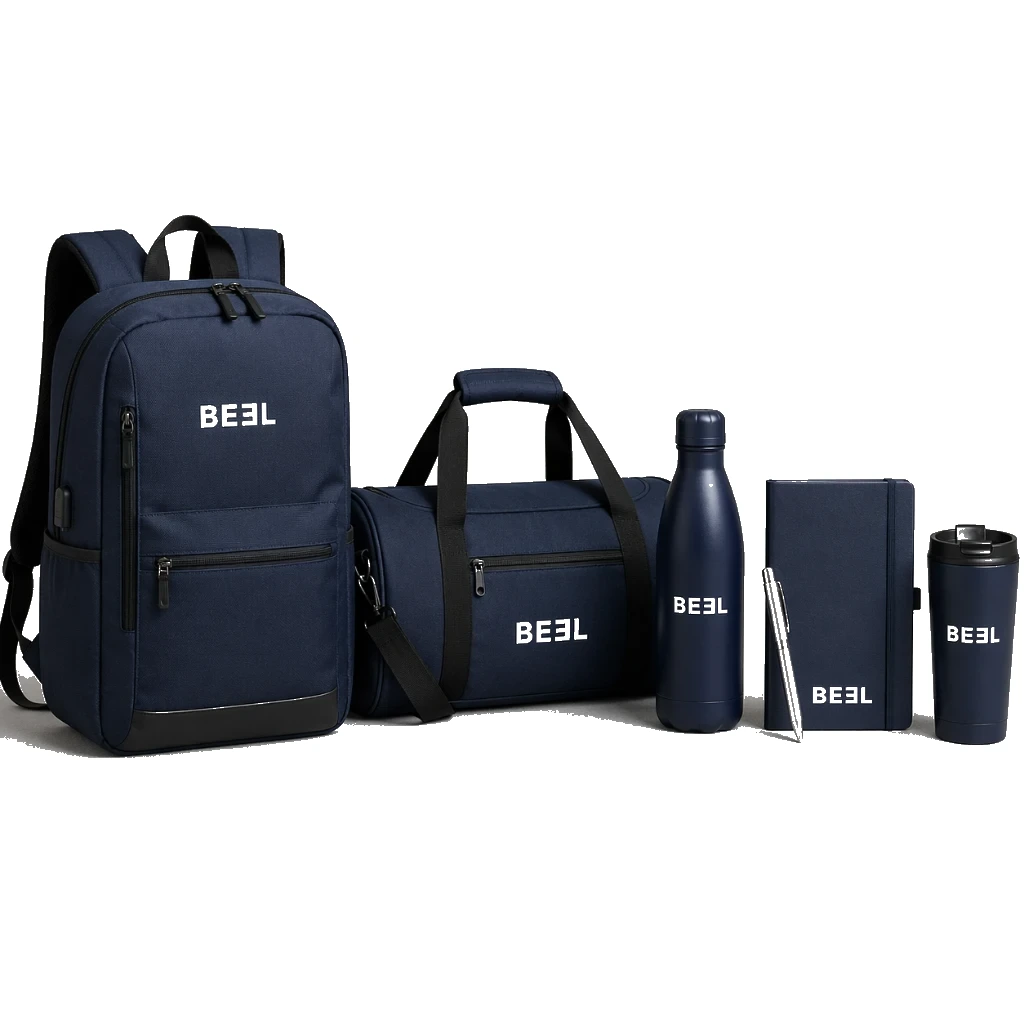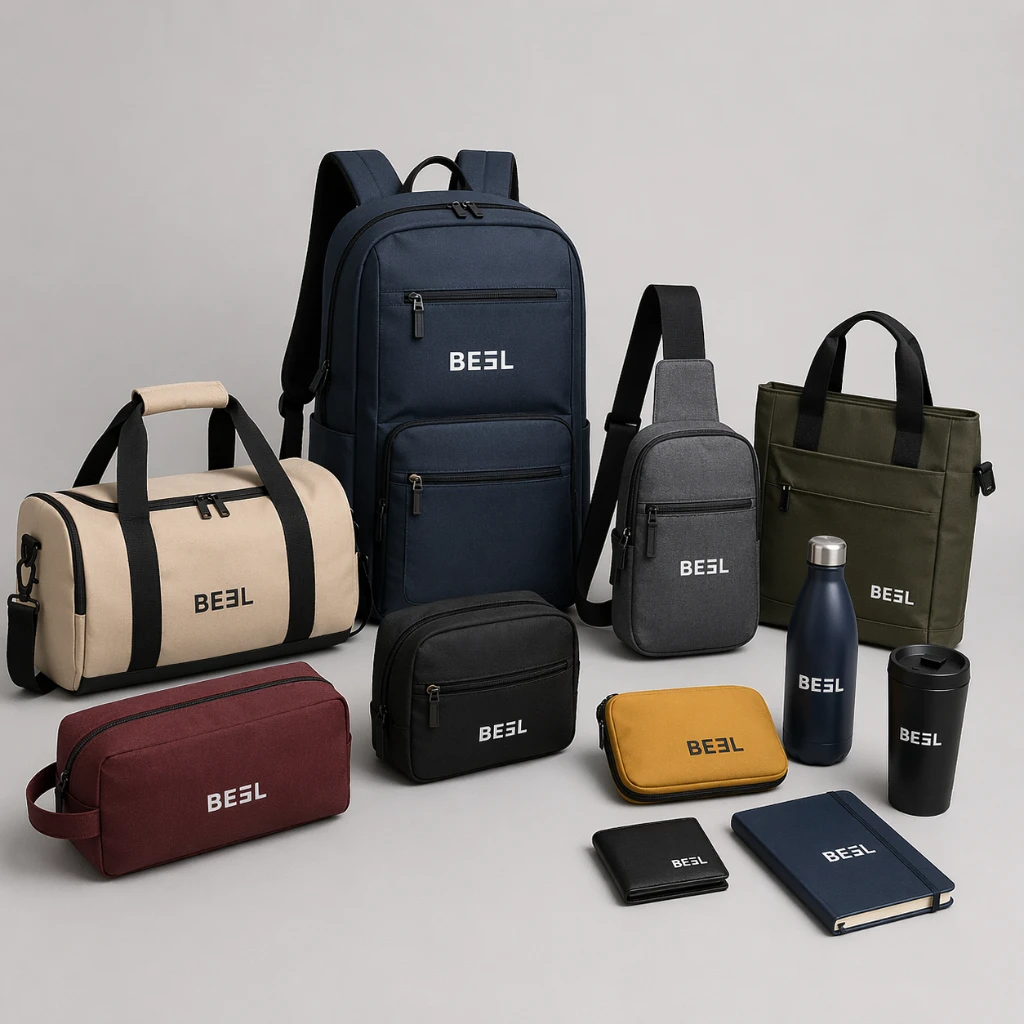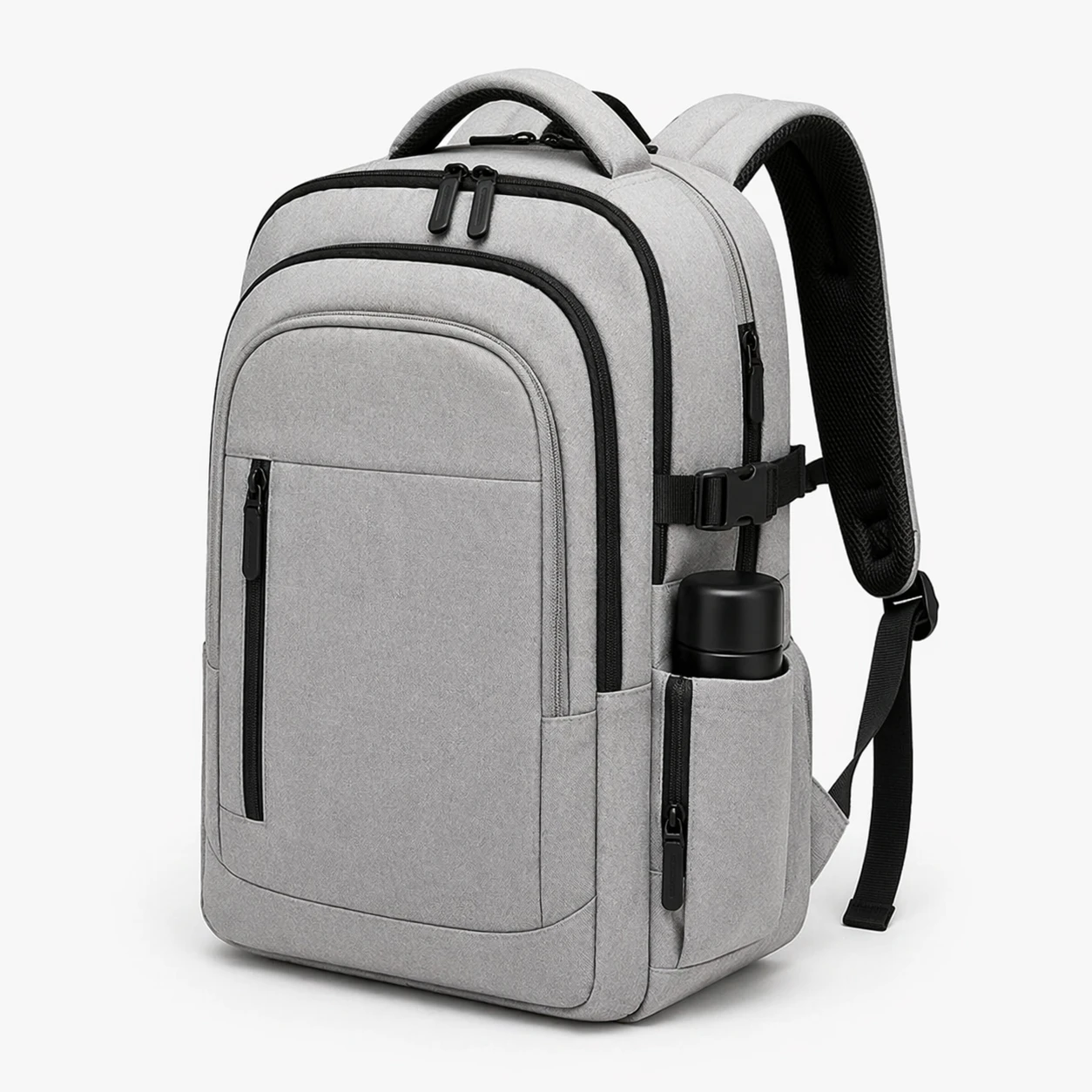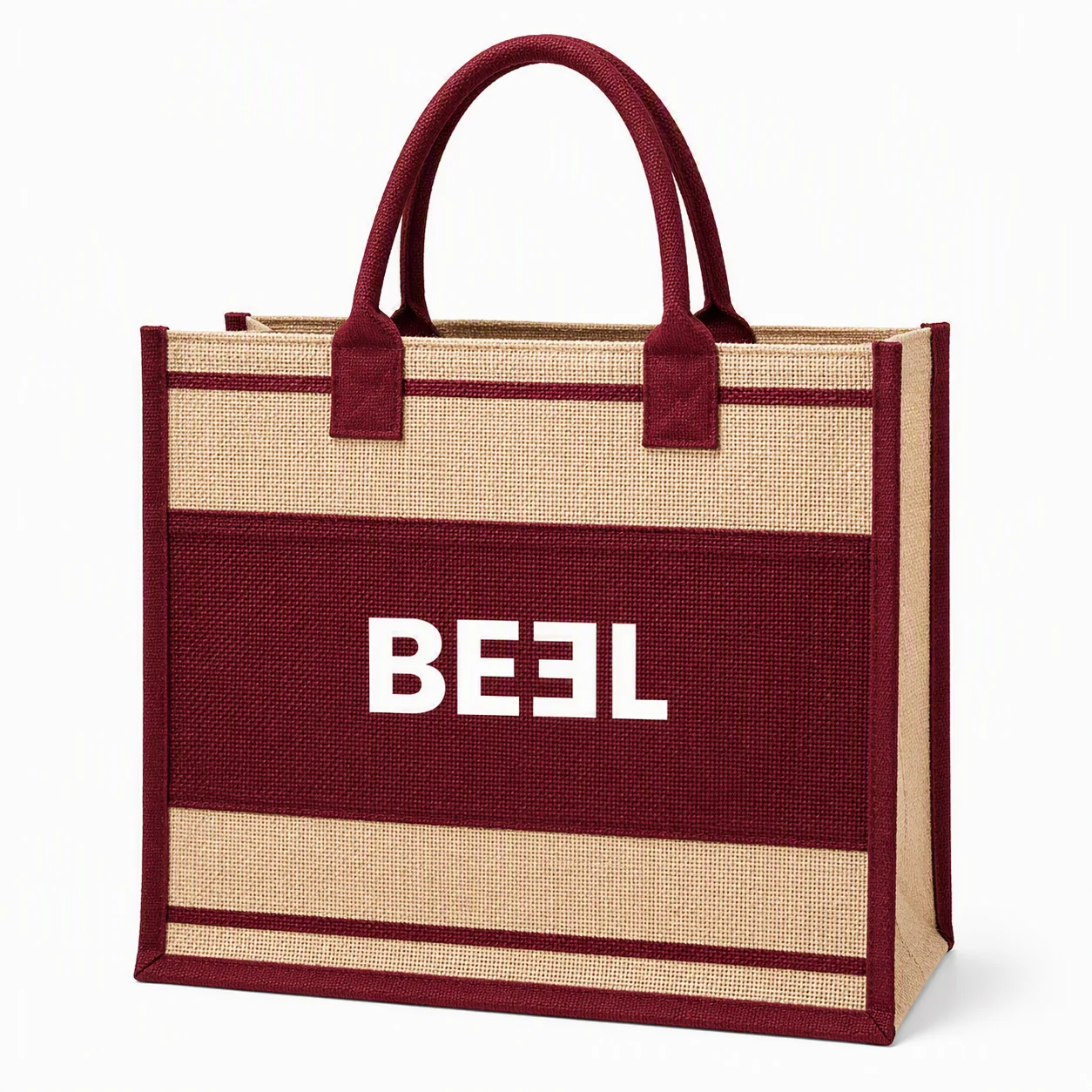
Sustainability has evolved from a corporate buzzword into a legal and consumer necessity. Across retail, fashion, and corporate gifting, brands are actively phasing out single use plastic packaging in favor of eco friendly alternatives. As a leading bag manufacturer in India, we have seen a massive shift in how businesses source bags. In this detailed guide, we analyze the top sustainable bag trends, explore the materials driving this change, and explain how your brand can transition to green packaging.
The Rise of Sustainable Bag Sourcing in India
India is at the forefront of the sustainable packaging movement. The nationwide single use plastic ban has pushed retail brands, supermarkets, and corporate houses to rethink their packaging. Consumers prefer brands that demonstrate environmental responsibility. Sourcing sustainable bags helps reduce carbon footprints, complies with local laws, and builds brand loyalty.
At BEEL Bags, we produce a wide range of eco friendly bags at our Mumbai factory. Explore our retail shopping bags collection and our non woven bags collection to see the options available.
Leading Eco Friendly Bag Materials
1. Certified Organic Cotton and Canvas
Cotton tote bags are a classic sustainable alternative. They are washable, reusable, and biodegradable. Organic cotton is grown without harmful pesticides, making it highly eco friendly. Canvas bags (heavy cotton duck fabric) are extremely durable and are preferred by premium fashion and lifestyle retailers.
2. Natural Jute and Juco
Jute is known as the golden fibre because of its color and value. It is one of the most sustainable materials because it grows quickly and requires minimal water. Juco (a blend of jute and cotton) offers the structural strength of jute with the smooth finish of cotton, making it excellent for detailed custom printing.
3. Non Woven Polypropylene (PP)
While PP is synthetic, non woven bags are considered sustainable because of their reusability. A single non woven bag can replace dozens of single use plastic bags. They require less energy to produce than paper bags and are fully recyclable at the end of their lifecycle. Check out our non woven bags range to see various designs.
4. Recycled PET (rPET)
rPET fabric is made from recycled plastic bottles. These bottles are sorted, shredded, melted, and spun into polyester yarn. Using rPET bags prevents plastic from entering landfills and oceans, offering a strong sustainability story for corporate promotions.
Comparing Eco Friendly Packaging Materials
To help brands choose the right material for their packaging and budget, we have compared the core options below:
| Material | Environmental Impact | Durability | Reusability | Relative Cost |
|---|---|---|---|---|
| Jute / Juco | Very Low | High | High (100+ uses) | Higher |
| Organic Cotton | Low | High | High (80+ uses) | Medium |
| Non Woven PP | Medium | Medium | Medium (50+ uses) | Lowest |
| rPET (Recycled) | Low | High | High (100+ uses) | Medium |
Top Trends in Eco Friendly Bags for 2026
1. The Transition to Raw, Unbleached Fabrics
Many brands are moving away from dyed fabrics to unbleached, natural cotton and jute. The raw cream and brown shades communicate an authentic eco friendly message. This also reduces the water and chemical usage in the manufacturing process.
2. Inside Lamination with Plant Based Starches
Traditional jute and canvas bags use a plastic (PP/LDPE) inner lining to make them water resistant and structured. The latest trend is to use biodegradable plant based starches (like PLA) for lamination, making the entire bag compostable.
3. Multipurpose Shopping Bags
Retailers are designing shopping bags that double as fashionable daily totes. By creating attractive designs and comfortable handles, brands ensure customers reuse their bags in public, maximizing marketing value.
4. Minimalist Screen Printing
Eco friendly branding is becoming cleaner. Brands prefer small, single colour logos printed with water based inks rather than heavy chemical plastisol prints. This aligns with the minimalist green aesthetic.
Why Partner with BEEL Bags for Your Green Packaging
BEEL Bags is committed to supporting businesses in their transition to sustainable packaging. We offer:
- A wide range of eco friendly materials (cotton, canvas, jute, non woven)
- Water based, non toxic inks for screen printing
- In house manufacturing to monitor waste and quality
- Expert design support to create durable, reusable bag shapes
- Compliance with all regional plastic ban regulations
Visit our contact page to connect with our eco packaging team and request sample fabrics.
Frequently Asked Questions
Are non woven bags banned under the plastic ban?
No. Standard non woven bags above a certain weight threshold (commonly 60 GSM or 75 GSM depending on the state) are legal and recommended as reusable alternatives to single use plastic bags.
Can jute bags be custom printed?
Yes. Jute and Juco take screen printing extremely well. We recommend simple, bold designs for pure jute due to its coarse texture, and detailed designs for Juco or cotton canvas.
Do you offer certification for organic cotton bags?
Yes. We can source GOTS (Global Organic Textile Standard) certified cotton for your order upon request, subject to specific order volumes.
Enquire About Eco Friendly Bags
The Environmental Science of Natural Fibres
Natural fibers like jute, cotton, and hemp have a significantly lower carbon footprint than synthetic alternatives. Jute, for example, is rain-fed and grows without the need for chemical fertilizers or pesticides. It absorbs large amounts of carbon dioxide and releases oxygen during its rapid growth cycle. Choosing natural fibers reduces dependence on petrochemicals and supports local farming communities in India.
PLA and Biodegradable Inner Lamination Explained
Standard jute and canvas bags often use a synthetic PP or LDPE inner lamination to make them water-resistant and help them maintain their shape. The latest sustainable trend is to replace these plastics with Polylactic Acid (PLA) or plant-based starches. These bio-plastics are made from renewable resources like corn starch or sugarcane. They provide excellent water resistance and make the entire bag compostable under industrial conditions.
Case Study: Reusable Shopping Bags for a Mumbai Supermarket
A premium supermarket chain with multiple locations in South Mumbai wanted to replace plastic packaging with sustainable shopping bags. They required durable bags that customers could buy and reuse for multiple grocery trips.
We designed a laminated box-bottom jute bag with soft cotton webbing rope handles. The supermarket logo was screen-printed using water-based, non-toxic inks. The chain distributed 50,000 bags. Customers highly appreciated the durability, and the supermarket reported a significant reduction in single-use plastic waste, enhancing their green reputation.
Detailed Sustainability and Recycling Lifecycle of Reusable Bags
The environmental benefit of transitioning to reusable bags depends on their lifecycle and reuse frequency. Here is an analysis of how different bag materials contribute to sustainability goals:
1. Carbon Footprint and Reuse Thresholds
Every reusable bag requires more resources to manufacture than a single-use plastic bag. Therefore, they must be reused multiple times to achieve a net environmental benefit. A standard non-woven PP bag needs to be reused at least 11 times, a cotton canvas tote bag at least 131 times, and a natural jute bag at least 39 times to offset the environmental impact of its production phase. Encouraging customers to reuse their bags is key to maximizing green initiatives.
2. Recyclability at End-of-Life
Non-woven PP bags are made from a single polymer, making them highly recyclable. They can be shredded and melted down to produce raw plastic pellets for industrial packaging. Cotton and jute bags are made from natural plant fibers and are biodegradable, returning to the soil under composting conditions without leaving microplastic residues.
3. Environmental Standards and Certifications
When sourcing sustainable bags, look for recognized industry certifications to verify the eco claims: GOTS (Global Organic Textile Standard) confirms that cotton is grown organically without chemical inputs. FSC (Forest Stewardship Council) verifies that paper packaging is sourced from responsibly managed forests. ISO 14001 indicates that the manufacturer follows an certified environmental management system.
Cost Breakdown and Price Negotiation Strategies for Wholesale Buyers
Understanding how manufacturers structure their quotes helps buyers negotiate fair pricing and optimize order specifications. Bulk bag pricing is determined by four main factors:
1. Fabric and Raw Material Cost
This is the largest component, accounting for 50 to 70 percent of the unit price. Material cost is calculated by weight (GSM for non-woven, ounces for canvas, and fabric width for polyester). Sourcing during off-peak textile seasons or choosing standard stock colors helps lower raw material costs.
2. Stitching and Labor Charges
This covers the time required to cut, sew, and assemble the bag. Bags with complex pocket layouts, inner linings, padded compartments, and zippers require more stitching time and have higher labor charges. Simplifying the design reduces the cost per unit.
3. Printing and Setup Fees
Screen printing requires creating a stencil screen for each color in your logo. Setup fees are fixed, meaning they are spread thin over large quantities. Adding multiple print colors increases the setup and printing charge. Focus on single-color or dual-color logos to minimize printing costs.
4. Packaging and Freight Charges
Standard packaging involves packing bags in bulk cartons. Requesting individual plastic wraps or custom tags adds to the packaging labor and material cost. Shipping costs are calculated by volume and weight, so compressing and folding bags tightly before boxing lowers freight fees.
Practical Quality Inspection Procedures for Bulk Sourcing
Ensuring the quality of a bulk bag shipment requires a systematic inspection process. Whether you are buying canvas totes, polyester backpacks, or non-woven shopping carriers, use these standard quality tests before approving dispatch from the factory:
1. Seam Strength and Tensile Test
The durability of a bag depends on its seam construction. Choose random samples from the production line and load them with weight exceeding the rated carrying capacity by 50 percent (for example, load a 10 kg rated backpack with 15 kg of weight). Lift the bag by the straps and handles, shake it gently, and inspect the stitch points for any loose threads or fabric stretching.
2. Stitch Count Verification
Standard retail and corporate bags should have a stitch density of 6 to 8 stitches per inch. Lower stitch density (fewer than 4 stitches per inch) reduces the bag's tear resistance, causing seams to split open under load. Check that nylon binding tapes are stitched cleanly along all raw interior edges to prevent fraying.
3. Colorfastness and Rub Test
Promotional bags are often exposed to sweat, rain, and washing. Rub the printed logo area with a wet white cloth using moderate pressure. The ink should not transfer to the cloth. Check that the fabric color does not bleed when exposed to water, which is particularly important for dyed cotton, canvas, and jute bags.
4. Zipper and Puller Endurance Check
Open and close all zippers on the sample bag at least 20 times. The runner should move smoothly along the track without catching the inner lining fabric. The zipper teeth should stay aligned and not split open when pressure is applied to the side panels.