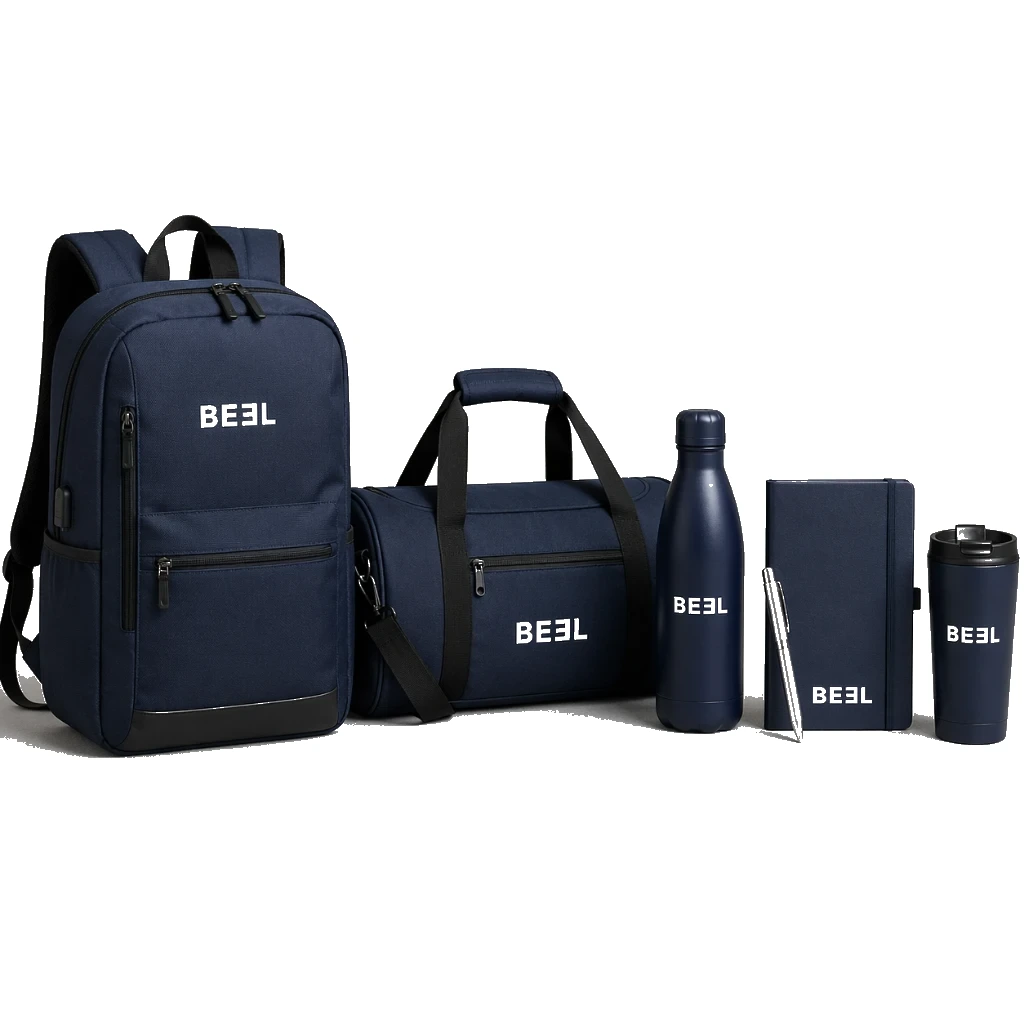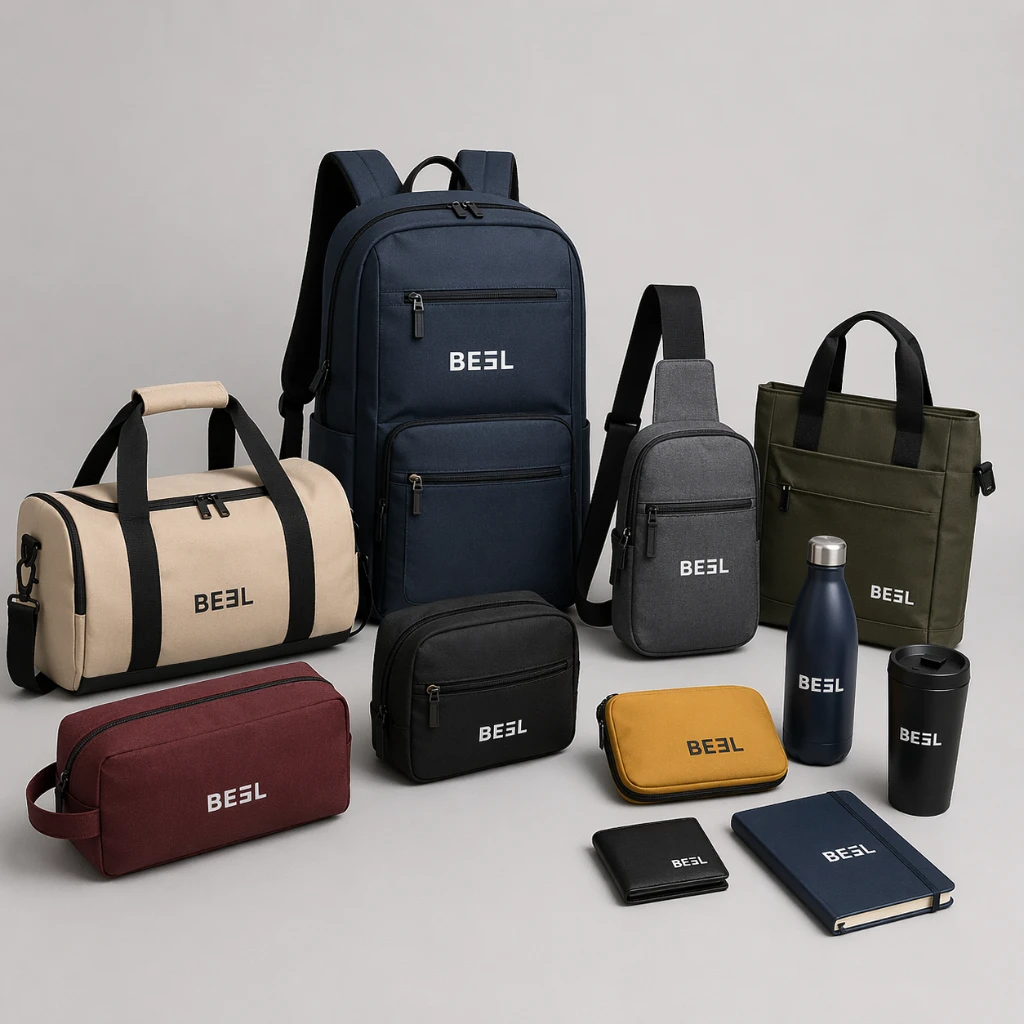
Corporate gifting is one of the most visible expressions of your brand. The bag you choose to present your gifts says something about your company before the recipient even looks inside. In 2026, non-woven bags have become the standard for bulk corporate gifting across India, replacing plastic, paper, and cardboard for good reasons that go beyond just cost.
This guide explains why non-woven bags outperform every alternative for corporate gifting, what to look for when ordering, and how to customise them for maximum brand impact.
What Are Non-Woven Bags?
Non-woven bags are made from spunbond polypropylene (PP) fabric. Unlike woven fabrics, the fibres are bonded together using heat and pressure rather than being interlaced. The result is a material that is:
- Lightweight but strong (supports 5 to 15 kg depending on GSM)
- Water-resistant on the surface
- Easy to screen print with crisp, detailed logos
- Reusable and recyclable
- Available in 20+ colours
BEEL Bags manufactures non-woven bags at our Mumbai factory in GSM weights from 70 to 120, covering every corporate gifting need from lightweight event bags to heavy-duty employee kits.
Non-Woven vs Other Gifting Bag Options
| Criteria | Non-Woven Bag | Paper Bag | Plastic Bag | Cardboard Box |
|---|---|---|---|---|
| Cost per unit (MOQ 1,000) | Rs. 25 to Rs. 70 | Rs. 30 to Rs. 90 | Rs. 8 to Rs. 25 | Rs. 60 to Rs. 180 |
| Reusability | High (50 to 100 uses) | Low (1 to 3 uses) | Very low | Very low |
| Branding visibility after gifting | High (carried in public) | Low | None (usually discarded) | None |
| Custom logo printing | Excellent | Good | Limited | Good |
| Water resistance | Yes (surface) | No | Yes | No |
| Plastic ban compliance | Yes | Yes | No (many states) | Yes |
| Eco-perception by recipients | High | Medium | Negative | Medium |
Non-woven bags win across almost every category. They cost less than paper bags or boxes, last far longer than plastic, and carry your brand long after the gift has been unpacked.
Why Non-Woven Bags Work Better for Bulk Corporate Gifting
1. Your Brand Travels After the Event
A non-woven bag does not end up in the recycling bin the same day. Recipients carry them to the grocery store, office, or gym. Every trip is a free brand impression in a real-world environment. A batch of 1,000 branded non-woven bags, each reused 50 times, gives you 50,000 brand exposures at a fraction of the cost of digital advertising.
2. They Support Your ESG and Sustainability Commitments
Corporate ESG (Environmental, Social, and Governance) commitments are now expected by employees, clients, and investors. Choosing non-woven bags over single-use plastic demonstrates environmental responsibility without requiring any extra investment. Many companies now include their sustainability data in annual reports and use supplier documentation from manufacturers like BEEL Bags as supporting evidence.
3. Non-Woven Bags Are Plastic-Ban Compliant
Plastic bags are banned in Maharashtra, Delhi, Karnataka, Himachal Pradesh, and many other Indian states. Companies that distribute plastic bags at corporate events, product launches, or as employee gifts expose themselves to regulatory risk. Non-woven PP bags comply with all current Indian plastic regulations.
4. Bulk Pricing Makes Them Very Cost-Effective
The price per unit drops significantly as order quantity increases. For a company giving out 2,000 gift bags, the cost per branded bag is often Rs. 30 to Rs. 50, which is competitive with a simple paper bag but provides a far better recipient experience.
5. Customisation Is Fast and Affordable
Non-woven fabric takes screen printing extremely well. You can print your company logo, tagline, event name, and even multilingual text cleanly across the bag surface. Production of 1,000 custom-printed bags typically takes 7 to 10 working days from sample approval at BEEL Bags.
Popular Non-Woven Bag Styles for Corporate Gifting
Depending on your gifting context, different bag styles work better. Here is a breakdown:
| Bag Style | Best Corporate Use | Typical Size |
|---|---|---|
| Loop-handle tote bag | Product launches, client gifts, retail gifting | 12x14 to 14x16 inches |
| W-cut bag (flat) | Lightweight event bags, conference handouts | 10x12 to 12x15 inches |
| D-cut bag (round handle) | Grocery-style gifts, large item packaging | 12x15 to 16x18 inches |
| Box-bottom bag (gusseted) | Employee kits, heavy gift sets, Diwali gifts | 12x14x4 to 14x16x5 inches |
| Wine bottle bag | Premium client gifting, festive gifting | 5x14 inches |
| Drawstring bag | Sports events, school promotions, fitness brands | 12x14 to 14x16 inches |
What to Include in a Corporate Gift Bag
The bag is the packaging, not the only gift. The combination of bag and contents determines the overall recipient experience. Popular contents for corporate gift bags include:
- Branded stationery (pens, notebooks, sticky notes)
- Premium dry fruits or chocolates for festive gifting
- Company merchandise (T-shirts, caps, water bottles)
- Useful daily items (USB drives, phone stands, diaries)
- Wellness items (hand sanitisers, lip balm, face masks)
For corporate gifting at scale, BEEL Bags can supply complete kitting solutions where we assemble the bag, pack the contents, and deliver ready-for-distribution gift sets directly to your office or event venue.
How to Order Non-Woven Corporate Gift Bags from BEEL Bags
- Share your requirements: quantity, size, colour, print design
- We send you a quote within 24 hours
- Approve the digital proof and pay the advance
- Production begins within 2 to 3 working days
- Sample ready in 3 to 5 days for approval
- Bulk delivery in 7 to 21 working days depending on quantity
For Diwali, Christmas, or other seasonal orders, place your order at least 6 to 8 weeks in advance to secure your production slot.
Frequently Asked Questions
What is the minimum order for non-woven corporate gift bags?
At BEEL Bags, the minimum order for custom-printed non-woven bags is 500 units. For standard (unprinted) bags, smaller quantities may be available.
Can I get my company logo printed in multiple colours?
Yes. We offer 1 to 4 colour screen printing. Each colour is printed in a separate pass, so multi-colour logos are very achievable.
Are non-woven bags eco-friendly?
Non-woven PP bags are recyclable and reusable, making them far more eco-friendly than single-use plastic. They are not biodegradable, but their long reuse life gives them a lower carbon footprint per use compared to paper bags that are used once and discarded.
How quickly can you deliver for an urgent event?
For urgent orders, we offer priority production. Contact us with your timeline and we will confirm the fastest possible delivery date. Smaller quantities (under 1,000 units) can often be delivered within 5 to 7 working days.
Get a Quote for Your Corporate Gift Bags
Understanding GSM Weights and Carrying Capacities
GSM stands for Grams per Square Meter and measures fabric thickness. Selecting the correct GSM is critical for carrying capacity:
- 70 to 80 GSM: Lightweight and flexible. Best for promotional handouts, exhibition literature, and light retail shopping. Supports up to 5 kg.
- 90 to 100 GSM: Medium thickness. Ideal for sweet boxes, client gifts, and grocery shopping. Supports up to 10 kg.
- 120+ GSM: Heavy-duty. Recommended for employee onboarding kits, laptop folders, and heavy gift sets. Supports up to 15 kg.
How Non-Woven Polypropylene Compares to Single-Use Plastics
Non-woven PP is a reusable material. While single-use plastic bags are discarded immediately, a durable non-woven bag is reused 50 to 100 times. Non-woven bags require less energy to manufacture than paper bags and are fully recyclable, making them a compliant, eco-friendly option under Indian environmental laws.
Case Study: Mass Promotions for a Public Sector Bank
A public sector bank needed 10,000 reusable bags for a national financial literacy campaign. They wanted a low-cost, durable bag to distribute pamphlets and notebooks.
We manufactured 80 GSM non-woven loop-handle bags with screen-printed branding. The bags were delivered to their regional offices. The campaign achieved high visibility, with the bank's logo seen across towns and cities as recipients reused the bags for daily market trips.
Detailed Sustainability and Recycling Lifecycle of Reusable Bags
The environmental benefit of transitioning to reusable bags depends on their lifecycle and reuse frequency. Here is an analysis of how different bag materials contribute to sustainability goals:
1. Carbon Footprint and Reuse Thresholds
Every reusable bag requires more resources to manufacture than a single-use plastic bag. Therefore, they must be reused multiple times to achieve a net environmental benefit. A standard non-woven PP bag needs to be reused at least 11 times, a cotton canvas tote bag at least 131 times, and a natural jute bag at least 39 times to offset the environmental impact of its production phase. Encouraging customers to reuse their bags is key to maximizing green initiatives.
2. Recyclability at End-of-Life
Non-woven PP bags are made from a single polymer, making them highly recyclable. They can be shredded and melted down to produce raw plastic pellets for industrial packaging. Cotton and jute bags are made from natural plant fibers and are biodegradable, returning to the soil under composting conditions without leaving microplastic residues.
3. Environmental Standards and Certifications
When sourcing sustainable bags, look for recognized industry certifications to verify the eco claims: GOTS (Global Organic Textile Standard) confirms that cotton is grown organically without chemical inputs. FSC (Forest Stewardship Council) verifies that paper packaging is sourced from responsibly managed forests. ISO 14001 indicates that the manufacturer follows an certified environmental management system.
Cost Breakdown and Price Negotiation Strategies for Wholesale Buyers
Understanding how manufacturers structure their quotes helps buyers negotiate fair pricing and optimize order specifications. Bulk bag pricing is determined by four main factors:
1. Fabric and Raw Material Cost
This is the largest component, accounting for 50 to 70 percent of the unit price. Material cost is calculated by weight (GSM for non-woven, ounces for canvas, and fabric width for polyester). Sourcing during off-peak textile seasons or choosing standard stock colors helps lower raw material costs.
2. Stitching and Labor Charges
This covers the time required to cut, sew, and assemble the bag. Bags with complex pocket layouts, inner linings, padded compartments, and zippers require more stitching time and have higher labor charges. Simplifying the design reduces the cost per unit.
3. Printing and Setup Fees
Screen printing requires creating a stencil screen for each color in your logo. Setup fees are fixed, meaning they are spread thin over large quantities. Adding multiple print colors increases the setup and printing charge. Focus on single-color or dual-color logos to minimize printing costs.
4. Packaging and Freight Charges
Standard packaging involves packing bags in bulk cartons. Requesting individual plastic wraps or custom tags adds to the packaging labor and material cost. Shipping costs are calculated by volume and weight, so compressing and folding bags tightly before boxing lowers freight fees.
Practical Quality Inspection Procedures for Bulk Sourcing
Ensuring the quality of a bulk bag shipment requires a systematic inspection process. Whether you are buying canvas totes, polyester backpacks, or non-woven shopping carriers, use these standard quality tests before approving dispatch from the factory:
1. Seam Strength and Tensile Test
The durability of a bag depends on its seam construction. Choose random samples from the production line and load them with weight exceeding the rated carrying capacity by 50 percent (for example, load a 10 kg rated backpack with 15 kg of weight). Lift the bag by the straps and handles, shake it gently, and inspect the stitch points for any loose threads or fabric stretching.
2. Stitch Count Verification
Standard retail and corporate bags should have a stitch density of 6 to 8 stitches per inch. Lower stitch density (fewer than 4 stitches per inch) reduces the bag's tear resistance, causing seams to split open under load. Check that nylon binding tapes are stitched cleanly along all raw interior edges to prevent fraying.
3. Colorfastness and Rub Test
Promotional bags are often exposed to sweat, rain, and washing. Rub the printed logo area with a wet white cloth using moderate pressure. The ink should not transfer to the cloth. Check that the fabric color does not bleed when exposed to water, which is particularly important for dyed cotton, canvas, and jute bags.
4. Zipper and Puller Endurance Check
Open and close all zippers on the sample bag at least 20 times. The runner should move smoothly along the track without catching the inner lining fabric. The zipper teeth should stay aligned and not split open when pressure is applied to the side panels.