Buying in bulk? See our conference and event bags, made at our Govandi, Mumbai factory with pan-India delivery.
Exhibition & Trade Show Bags Manufacturer in India: The Complete 2026 Buyer's Guide
Planning a trade show, conference, or exhibition booth? This guide covers every type of exhibition bag available in India (non-woven totes, loop-handle bags, delegate sleeves, and premium canvas options) with real pricing, MOQs, turnaround times, branding methods, and a sourcing checklist for event and marketing teams.
Who this guide is for: Marketing managers, event coordinators, exhibition organisers, and corporate communications teams across India planning trade show giveaways, delegate kits, or booth merchandise, with material comparisons, bulk pricing, and direct sourcing guidance from a Mumbai manufacturer.
In This Guide
- Why Exhibition Bags Matter More Than Most Booth Spend
- Types of Exhibition and Trade Show Bags
- Choosing the Right Size and Capacity
- Material Comparison: Non-Woven vs Canvas vs Jute
- Real Pricing and MOQs (2026)
- Branding and Printing Options
- Choosing Bags by Industry and Event Type
- Common Sourcing Mistakes to Avoid
- Planning Your Order: A Pre-Event Checklist
- Sustainability Considerations
- Frequently Asked Questions
Every trade show, industry expo, and corporate conference in India runs on the same unglamorous logistics problem: attendees need something to carry the brochures, samples, and giveaways they collect as they walk the floor. That "something" is the exhibition bag, and it is one of the most cost-effective, highest-visibility marketing tools available to any company exhibiting at an event.
A well-branded exhibition bag does three jobs at once. It gets your logo into the hands of every visitor who stops at your booth, it keeps your brand visible as they walk the aisles carrying your bag instead of a competitor's, and it continues advertising your company long after the event: on a desk, in a car boot, or on a grocery run months later. Yet most companies treat bag sourcing as a last-minute checklist item instead of a planned part of their event marketing budget.
Quick answer: BEEL Bags manufactures loop-handle premium non-woven bags, delegate file bags and laptop sleeves, and standard D-cut/W-cut exhibition totes in-house in Mumbai, with MOQs starting at 100 units, 7–15 day production, custom logo printing, and pan-India delivery timed to your event date.
1. Why Exhibition Bags Matter More Than Most Booth Spend
Compare the cost-per-impression of an exhibition bag against other booth marketing spend. A pull-up banner is seen by attendees who walk past your specific booth. A branded bag is seen by every person the recipient interacts with for the rest of the event, plus everyone who sees it afterward: on public transport, at the office, or at their next meeting. Industry estimates put the effective advertising lifespan of a reused tote bag well beyond the event itself, often for a year or more of casual, repeated use.
The economics work in your favour too. At bulk quantities, a non-woven exhibition bag can cost less per unit than a printed brochure, while offering dramatically more brand surface area and a far longer shelf life. For companies exhibiting at multiple events through the year, a single well-designed bag template can be reprinted with minimal redesign cost each time, making it one of the most repeatable line items in an annual events budget.
There is also a behavioural angle worth considering. Attendees at large expos accumulate a lot of loose material through the day: flyers, sample sachets, business cards, small product boxes. A sturdy bag handed out early in their visit, ideally at registration or your booth if you're a headline sponsor, becomes the container for everything they collect afterward. That means your logo is visible on the bag every single visitor uses to carry material from your competitors too, a quietly powerful position to hold.
2. Types of Exhibition and Trade Show Bags
Non-Woven D-Cut and W-Cut Tote Bags
The default choice for most trade shows in India. Made from polypropylene non-woven fabric, these bags are lightweight, low-cost at bulk volumes, and available in virtually any colour to match your event branding. They come in D-cut, W-cut, and loop-handle styles, and take screen printing extremely well for crisp logo reproduction. Non-woven bags are the standard pick for mass distribution at large expos where volume matters more than premium feel.
Loop-Handle Premium Non-Woven Bags
A step up within the non-woven family, loop-handle bags use a separately stitched soft rope or ribbon handle instead of a die-cut handle, giving a noticeably more boutique, premium feel for a relatively small cost increase. These are a strong middle-ground choice for companies that want their booth giveaway to feel a level above the generic conference tote without moving to canvas or cotton. They work particularly well for product launches, VIP visitor gift bags, and corporate handout kits distributed alongside printed material at a booth.
Delegate File Bags and Laptop Sleeves
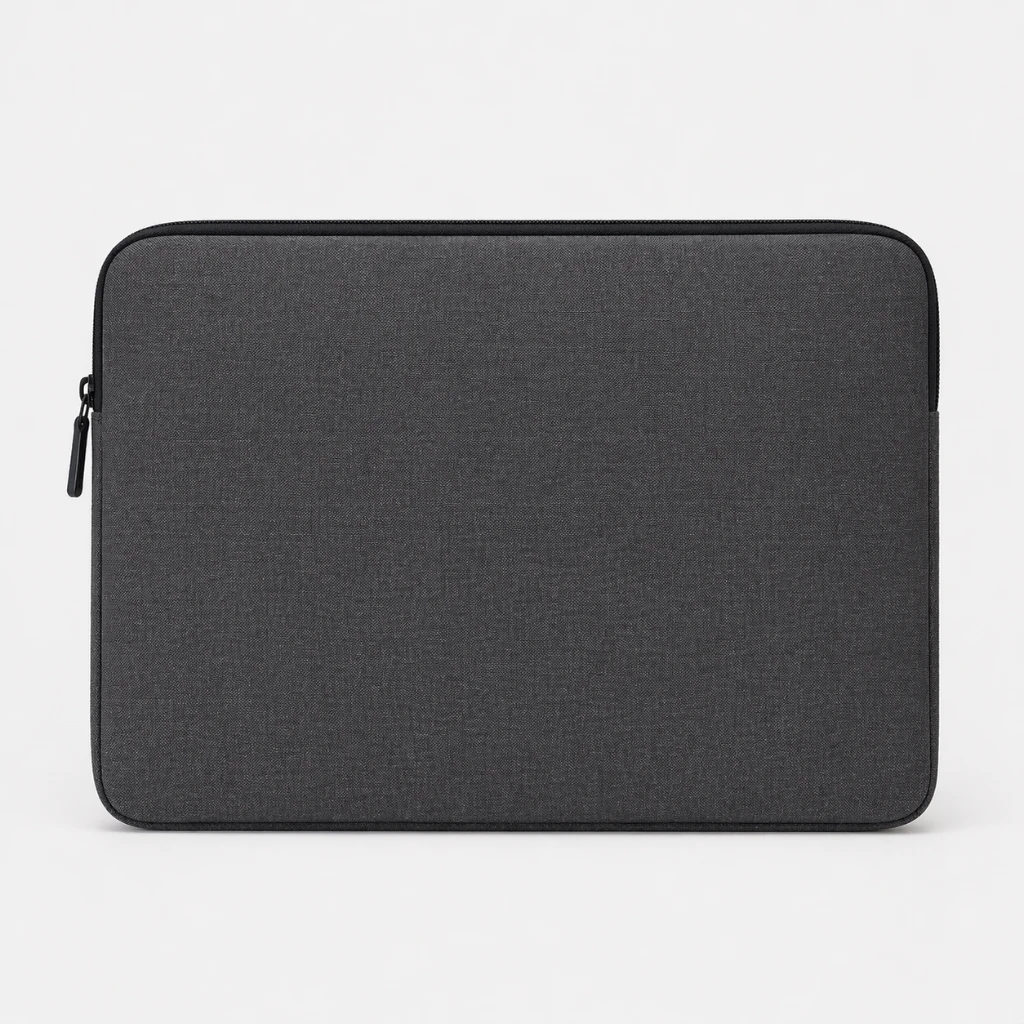
For conferences and summits where attendees are registered delegates rather than walk-in visitors, a padded file bag or laptop sleeve is a more functional alternative to a simple tote. These typically include a shock-absorbing foam or neoprene lining, a front zip pocket, and a slim profile designed to slip inside a larger bag or be carried standalone into sessions. They are especially well suited to seminar kits, AGM delegate packs, and training programme handouts, where the bag needs to protect documents and a laptop rather than simply carry giveaways.
Drawstring and Pouch Bags
Compact, low-cost options ideal for smaller giveaways: sample kits, small product bundles, or budget-conscious events distributing bags to hundreds of walk-in visitors. Drawstring bags print well and are easy to produce at very high volumes with fast turnaround, making them a good fit when your primary goal is reach rather than a premium unboxing feel.
Premium Canvas and Cotton Totes
For product launches, investor events, or premium brand activations where perceived value matters, canvas and cotton totes carry significantly higher perceived quality than non-woven. They are reused far more often by recipients, extending your brand's visibility long after the event calendar has moved on, and are a natural fit when your exhibiting brand itself sits in a premium or lifestyle category.
Best for mass distribution
Non-woven D-cut or W-cut totes: lowest cost per unit, fast production, strong print clarity.
Best for a premium touch on a mid-size budget
Loop-handle non-woven bags, boutique feel without the cost of canvas or cotton.
Best for registered delegates
Padded file bags and laptop sleeves, protect documents, built for multi-day carry into sessions.
Best for premium activations
Canvas or cotton totes, higher perceived value, longer post-event reuse life.
3. Choosing the Right Size and Capacity
Bag size should match what attendees are actually expected to carry, not just look proportionate on a design mockup. A few practical benchmarks:
- Small giveaway bags (10×12 inches or drawstring pouches): suited to single-item samples, small product boxes, or a folded brochure set.
- Standard exhibition totes (14×16 to 15×17 inches): the most common size, able to comfortably hold A4 brochures, a few sample items, and a water bottle.
- Large convention bags (16×18 inches and above, often gusseted): best for multi-day conferences or expos where attendees collect material from many booths across the day.
- Delegate file bags and sleeves: sized to the document or laptop use case rather than volume, typically slim, structured profiles rather than open totes.
If you are unsure which size fits your event, requesting a physical sample in two sizes before committing to the full order removes most of the guesswork.
4. Material Comparison: Non-Woven vs Canvas vs Jute
| Material | Cost Level | Perceived Value | Best Use Case |
|---|---|---|---|
| Non-woven polypropylene | Lowest | Standard | High-volume expo giveaways, mass registration bags |
| Loop-handle non-woven | Low–Mid | Boutique | Product launches, VIP gift bags on a moderate budget |
| Canvas / cotton | Mid–High | Premium | Investor events, lifestyle brand activations, long-term reuse |
| Neoprene / padded (file bags, sleeves) | Mid | Professional | Delegate kits, document and laptop protection |
5. Real Pricing and MOQs (2026)
| Bag Type | Starting Price | Typical MOQ |
|---|---|---|
| Non-woven D-cut/W-cut tote | ₹12–25 per piece | 500 units |
| Loop-handle premium non-woven bag | ₹15–35 per piece | 100 units |
| Delegate file bag / laptop sleeve | ₹150+ per piece | 100 units |
| Drawstring pouch | ₹10–18 per piece | 500 units |
| Canvas/cotton tote | ₹60–140 per piece | 200 units |
Indicative pricing only. Final cost depends on size, material weight, print method, number of colours, and delivery location. Confirm exact quotes in writing before ordering.
6. Branding and Printing Options
Exhibition bags are typically printed using one of four methods, each suited to different budgets and design complexity:
- Screen printingthe most common and cost-effective method for non-woven bags, ideal for one to four colour logos at high volumes. The industry standard for corporate exhibition bags in India.
- Heat transfer / sublimation printingbetter for complex, multi-colour, or photographic designs, typically used on canvas, premium totes, and neoprene file bags. Delivers full-colour output at a moderately higher per-piece cost.
- Embroideryreserved for premium delegate bags and laptop sleeves where a stitched logo adds a higher-end, tactile finish that communicates quality more effectively than print.
- Debossing or foil stampingfor PU leather or faux-leather delegate folders, creating a luxury, letterhead-on-a-bag impression suited to leadership summits and investor-facing events.
7. Choosing Bags by Industry and Event Type
IT & Tech Conferences
Delegate file bags or laptop sleeves for registered attendees; loop-handle non-woven bags for general expo footfall.
Pharma & FMCG Trade Shows
High-volume D-cut non-woven totes sized for sample kits and product literature, given the large expected footfall.
Finance & Investor Events
Canvas totes or embroidered delegate folders, matching the higher perceived value expected by this audience.
Education & Institutional Fairs
Budget-friendly drawstring pouches or standard non-woven totes, prioritising reach over premium finish.
8. Common Sourcing Mistakes to Avoid
- Ordering exact headcount with no buffer. Distribution wastage, damaged units, and last-minute VIP additions are near-universal; a 10–15% buffer avoids a mid-event shortage.
- Finalising artwork too close to the event date. Screen and print setup takes time; late changes compress your production window and increase the risk of rushed quality.
- Skipping the physical sample. Colour, print clarity, and handle strength can look different on screen versus in hand, always confirm with a sample before a bulk run.
- Choosing bag type based on price alone. A cheap tote that tears mid-event undermines the brand impression you paid to create; match the bag type to how it will actually be used.
- Underestimating delivery lead time to the event city. Production time and delivery time are separate, build in a buffer for both.
9. Planning Your Order: A Pre-Event Checklist
- Confirm your final attendee or footfall estimate, and order 10–15% above that number to cover distribution wastage.
- Lock your bag design and brand colours at least 3 weeks before the event to allow for sampling and approval.
- Decide your bag type based on how the bag will be used, mass giveaway vs. registered delegate kit, before requesting quotes, since this changes both cost and MOQ.
- Factor in delivery time to the event city, not just production time. Build in a buffer for last-mile logistics.
- Request a physical or digital pre-production sample before committing to the full bulk order.
- Confirm your branding method (screen print, heat transfer, or embroidery) based on the bag material and your budget tier.
10. Sustainability Considerations
With single-use plastic increasingly restricted at large public events and expo venues across India, reusable exhibition bags have shifted from a nice-to-have to a practical necessity. Non-woven polypropylene bags are reusable and considerably more durable than single-use plastic, making them a widely accepted eco-conscious alternative for exhibitions. For brands wanting to go further, cotton, canvas, and jute options offer a lower environmental footprint and a stronger sustainability story, worth considering if your company's positioning includes an eco-conscious angle, or if your event's organisers have specific material requirements for exhibitor giveaways.
Sourcing Exhibition Bags for an Upcoming Event?
BEEL Bags manufactures loop-handle non-woven bags, delegate file bags and laptop sleeves, and standard exhibition totes in-house in Mumbai, with custom branding and pan-India delivery timed to your event date. Share your requirement and get a tailored quote within 24 hours.
Request a Free QuoteView Loop-Handle Non-Woven Bags View Delegate File Bags & Laptop Sleeves
11. Frequently Asked Questions
What is the minimum order quantity for exhibition bags?
MOQs vary by bag type. Non-woven and drawstring bags typically start at 500 units, while loop-handle premium bags and delegate file bags can start as low as 100 units. BEEL Bags can advise the best fit for your budget and event size.
How far in advance should I order exhibition bags?
Plan for a 7–15 day production window plus delivery time. For large orders or events during peak exhibition season, ordering 4–5 weeks ahead is safest.
Can I get a sample before placing a bulk order?
Yes. Requesting a pre-production sample is standard practice and recommended before confirming quantities and payment.
Are non-woven bags eco-friendly?
Non-woven polypropylene bags are reusable and more durable than single-use plastic, making them a widely accepted eco-conscious alternative for exhibitions, though cotton and jute options offer an even lower environmental footprint if that's a priority for your brand.
What's the difference between a standard non-woven bag and a loop-handle bag?
Standard non-woven bags use a die-cut handle formed from the same fabric as the bag body, while loop-handle bags have a separately stitched soft rope or ribbon handle, giving a more premium, boutique appearance for a modest cost increase.
Should I choose a tote bag or a delegate file bag for my conference?
Totes suit general expo footfall where attendees collect material from multiple booths. Delegate file bags or laptop sleeves are better for registered conference attendees who need to carry documents and a laptop into sessions across a multi-day event.