EXPORT & INTERNATIONAL SOURCING GUIDE
📋 TABLE OF CONTENTS
- The 2026 Tariff Reality: Why India Beats China for US & EU Bag Buyers
- The Global Eco-Friendly & Promotional Bag Market in 2026
- What Products Can You Source from an Indian Bag Manufacturer?
- Sourcing Guide for US Buyers: Compliance, Customs & Cost Breakdown
- Sourcing Guide for European Buyers: PPWR, Eco Labels & What's Changed in 2026
- Custom Branding from India: What's Possible at What Scale
- The End-to-End Process: From First Inquiry to Delivery at Your Warehouse
- 7 Mistakes Western Buyers Make When Sourcing Bags from India
- The International Buyer's Sourcing Checklist
- FAQs from US & European Importers
1. The 2026 Tariff Reality: Why India Now Beats China for US & European Bag Buyers
The global bag sourcing landscape shifted decisively in 2025–2026. US Section 301 tariffs on Chinese goods reached effective rates above 42% on textile bags by early 2026. Vietnam — long the go-to China alternative — is now under scrutiny from US Customs and Border Protection for transshipment. Cambodia faces its own duty headwinds. And Bangladesh, while competitive on garment basics, lacks India's infrastructure for custom branded bag production at quality tiers expected by Western buyers.
India, meanwhile, sits in an exceptionally advantageous position:
For a US importer placing a $100,000 FOB order for promotional bags, the difference between sourcing from China (42%+ duty) versus India (substantially lower rate) can represent well over $200,000 in landed cost savings at scale. For European buyers, India's zero-tariff framework is similarly compelling — eliminating the single biggest variable cost in international sourcing.
This isn't a temporary arbitrage. India's government has committed Rs 42,000 crore in PLI (Production Linked Incentive) incentives for the textile and allied sectors, and seven PM MITRA mega-parks are being developed to increase manufacturing capacity. The pipeline is structural, not cyclical.
2. The Global Eco-Friendly & Promotional Bag Market in 2026: What's Driving Demand
The market context for custom bags is exceptionally strong heading into the second half of 2026 — driven by three converging forces that are particularly powerful in Western markets.
Force 1: Regulatory pressure is accelerating the shift away from single-use plastic
The EU's Packaging and Packaging Waste Regulation (PPWR) entered into force in February 2025 and becomes fully applicable across all EU member states in August 2026. It mandates that lightweight plastic carrier bag consumption not exceed 40 bags per capita annually, and bans very lightweight bags outright. This is not a soft target — EPR (Extended Producer Responsibility) fees are now modulated by recyclability grade, with financial penalties for non-compliance in multiple US states as well.
The result: every retailer, brand, event company, and corporate procurement team in the EU and US is actively looking for quality reusable alternatives — right now, not eventually.
Force 2: Consumer preference has shifted permanently
The eco-friendly bag market was valued at $13.76 billion globally in 2025 and is growing at a 10.66% CAGR through 2035. In the US alone, over 72% of shoppers report regular use of reusable bags during grocery shopping. More importantly for B2B buyers: 90% of consumers say they are more likely to purchase from a brand that uses eco-friendly packaging — and 39% have actively switched brands over unsustainable packaging choices.
Force 3: Promotional bags deliver the best marketing ROI of any branded merchandise
Research consistently shows that custom tote bags and promotional bags generate brand impressions at a cost of less than one-tenth of a cent per impression — outperforming digital ads, branded clothing, and virtually every other promotional item category. For US corporate marketing teams managing trade show budgets, and European companies running sustainability-aligned brand campaigns, custom bags from quality manufacturers are the intersection of marketing ROI and ESG compliance.
"Promotional bags continue to be one of the smartest marketing investments for businesses in 2026. They're practical, affordable, and capable of generating thousands of brand impressions over time." — BagzDepot Industry Report, March 2026
3. What Products Can You Source from an Indian Bag Manufacturer Like BEEL Bags?
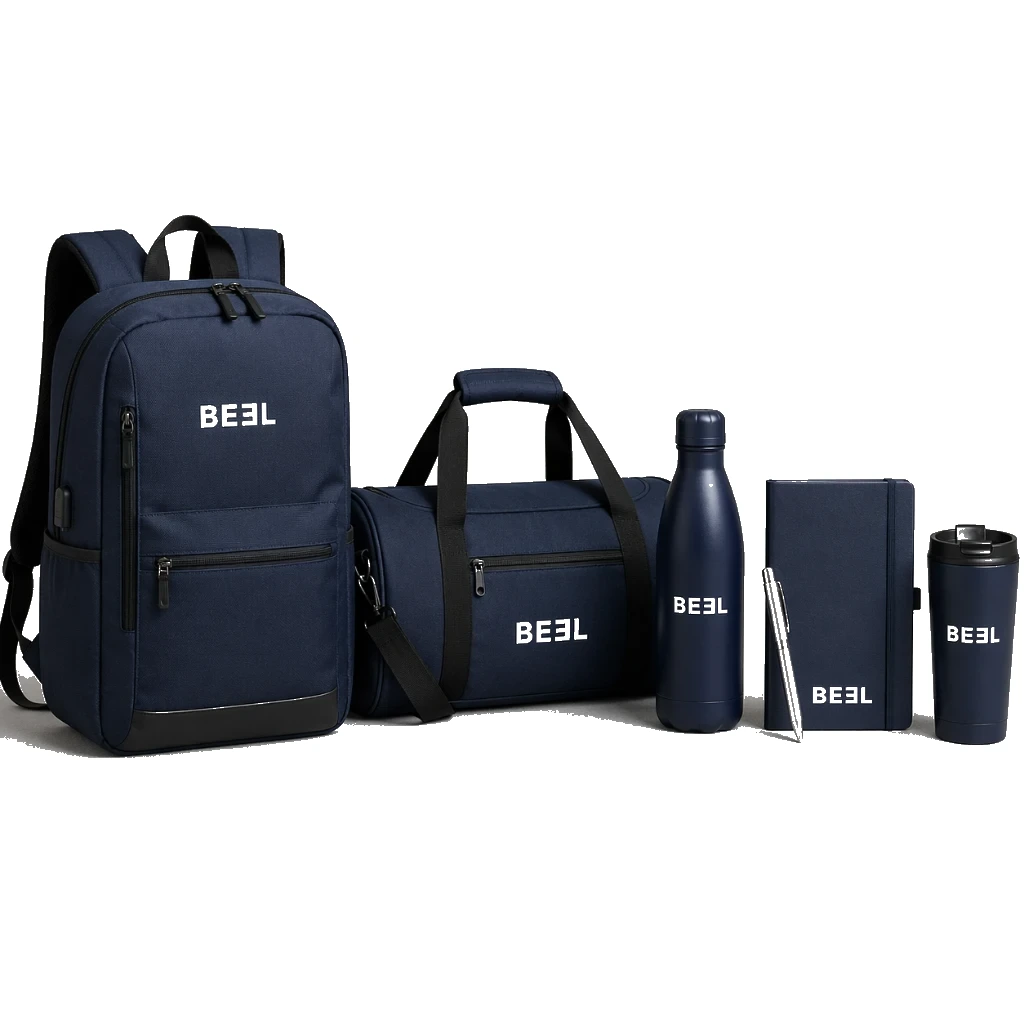
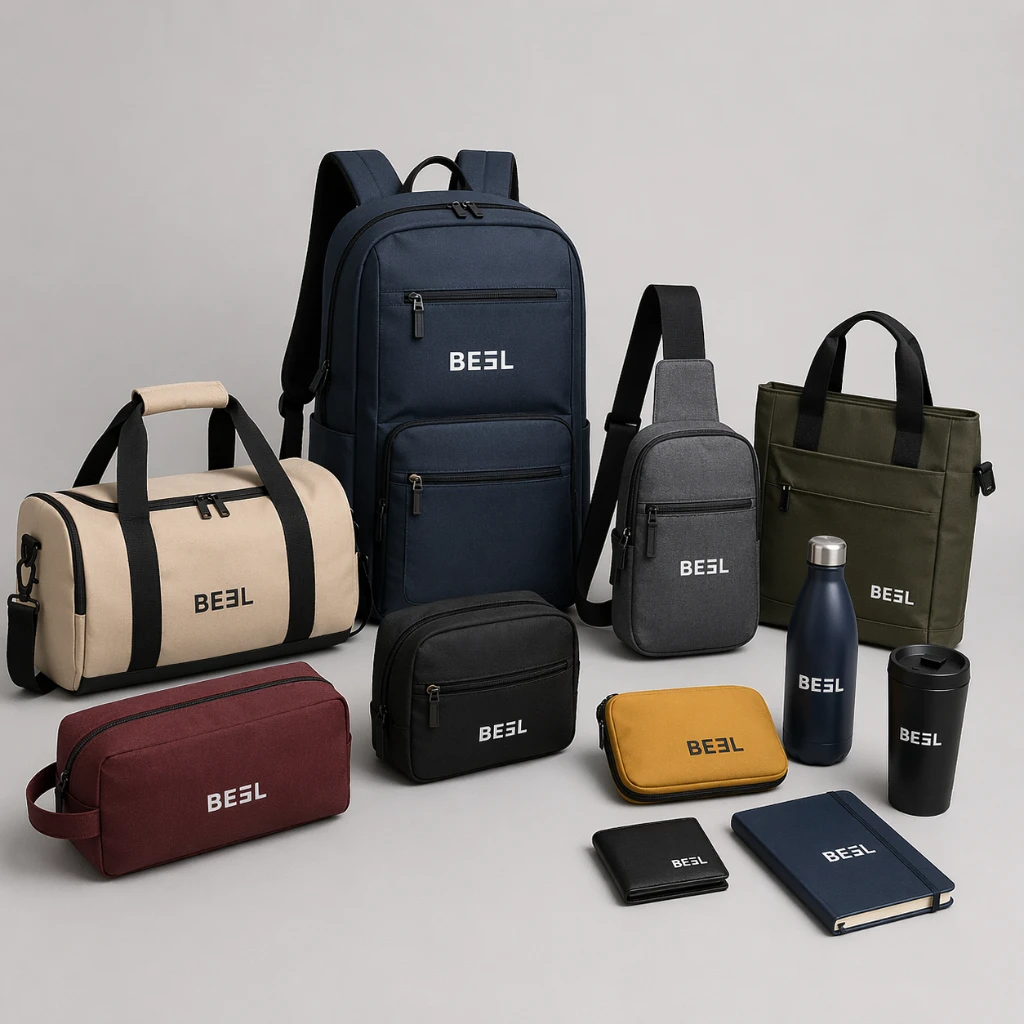
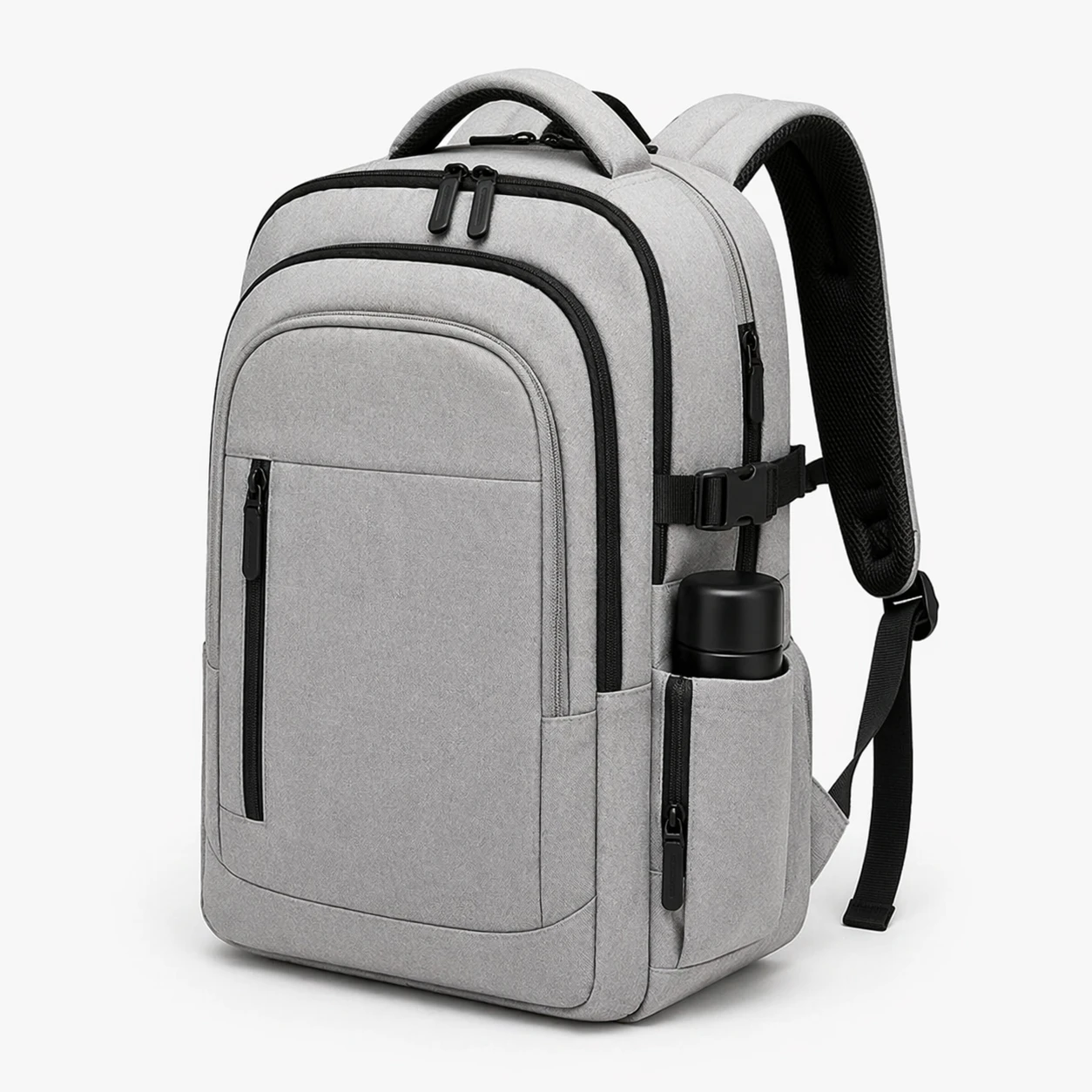
Western buyers sometimes assume that Indian bag manufacturers only produce commodity-grade, unbranded products at the low end of the market. The reality in 2026 is far more sophisticated. BEEL Bags manufactures across nine product categories, all of which are export-capable and customisable to international brand standards:
| Product Category | Best For | Available Customisation | Export MOQ |
|---|---|---|---|
| Non-Woven Promotional Tote Bags | Trade show giveaways, retail promotions, event distribution | Full-colour screen print, size, weight (60–120 GSM), handle style | 500 pcs |
| Custom Printed Laptop Bags | Corporate employee kits, tech company merchandise, B2B gifting | Colour, compartment layout, logo print or embroidery, 13"–17" sizes | 100 pcs |
| Padded Document / File Bags | Office supply programmes, professional services gifting, conferences | Material, size, zip type, logo placement, colour | 100 pcs |
| Canvas & Cotton Tote Bags | Retail merchandise, bookshops, organic brands, farmers' markets | Natural cotton / organic cotton, print method, rope or flat handle | 200 pcs |
| Non-Woven Drawstring Bags | Gym promotions, school events, sports clubs, university welcome kits | Colour, drawstring style, full-colour print | 500 pcs |
| Corporate Gifting Kit Bags | Employee onboarding, Diwali equivalents, client appreciation | Full kit configuration, inner compartments, premium finishes | 50 sets |
| Eco Reusable Shopping Bags | Grocery retail, supermarket chains, sustainability campaigns | Material (RPET, jute, cotton), certification, colour | 500 pcs |
| Pilgrimage & Event Kit Bags | Tour operators, travel companies, religious institutions | Logo, contact details, interior pockets, ID card holder | 50 pcs |
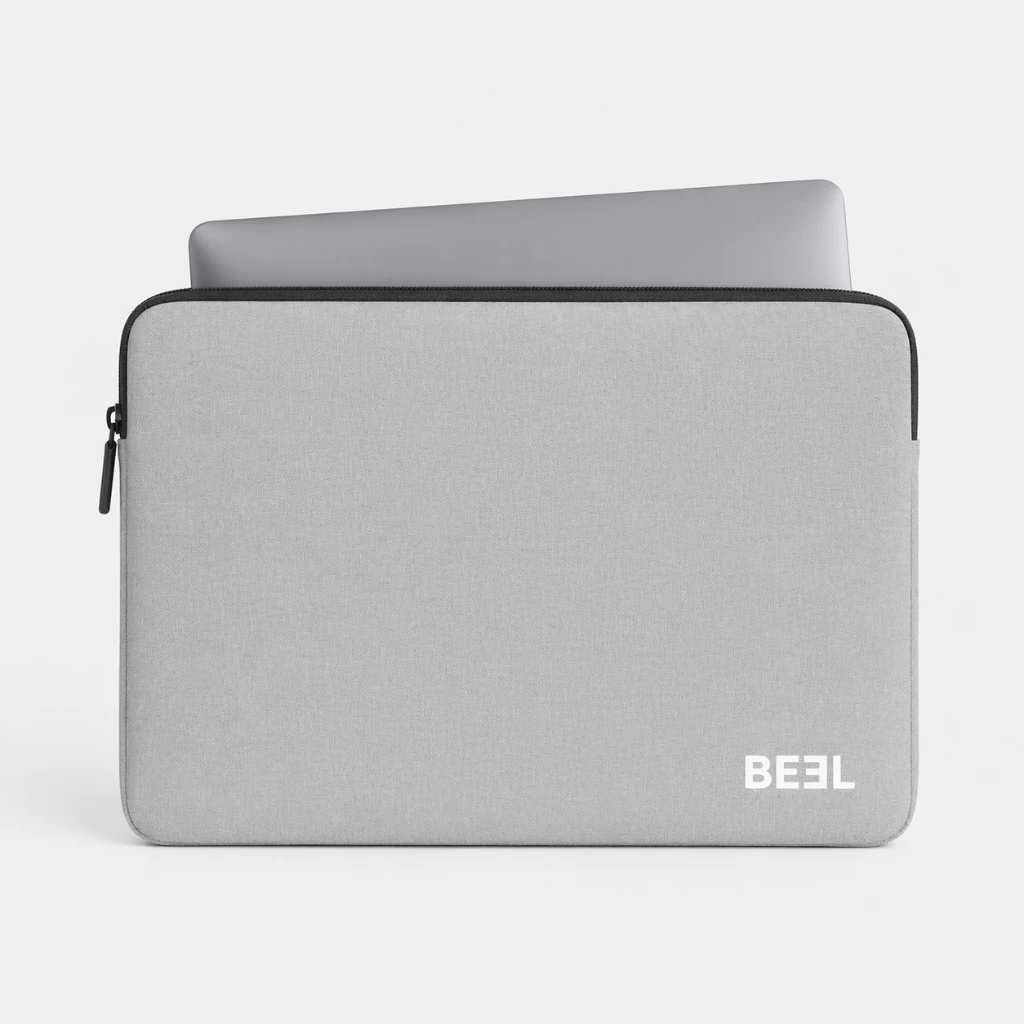
| Neoprene Sleeves & Accessories | Tech brands, laptop accessories retailers, premium gifting | Sublimation full-colour print, size, zip/velcro closure | 100 pcs |
All products are manufactured in-house at BEEL Bags' Mumbai facility. There are no subcontractors for printing or stitching — which matters significantly for quality consistency across international orders.
Browse the complete range: beelbags.in/products | Use the online bag designer to preview your logo on any product.
4. US Sourcing Guide for US Buyers: Compliance, Customs & Cost Breakdown
For US importers, sourcing bags from India in 2026 involves navigating a specific set of compliance, logistics, and cost considerations. Here's what you need to know.
HTS Codes Most Relevant to Bag Imports from India
The primary HTS codes under which promotional and utility bags from India are classified for US customs purposes include:
- 4202.92.15 — Travelling bags and similar containers, of man-made textile materials (covers most non-woven and polyester bags)
- 4202.92.31 — Other bags and similar containers (backpacks, sports bags)
- 4202.22.15 / .45 — Handbags and file bags of textile
- 6305.33 — Sacks and bags of polypropylene (covers PP non-woven bags)
Your customs broker will confirm the exact HTS for your product specification. Always classify based on the finished product description and outer material — this determines the applicable duty rate.
Shipping from Mumbai to the US: Freight Lanes & Lead Times
| Route | Transit Time (Sea) | Transit Time (Air) | Typical Cost (20ft FCL) |
|---|---|---|---|
| Mumbai → New York (Port Newark) | 22–26 days | 4–6 days | $2,800–$3,800 |
| Mumbai → Los Angeles (San Pedro) | 18–22 days | 3–5 days | $2,400–$3,200 |
| Mumbai → Savannah, GA | 24–28 days | 5–7 days | $3,000–$4,000 |
| Mumbai → Chicago (via East Coast) | 26–30 days + inland | 4–6 days + inland | $3,200–$4,500 |
Sea freight costs are indicative for FCL shipments in 2026. LCL (Less than Container Load) is available for smaller orders and costs more per CBM but eliminates the need to fill a full container. Air freight is 5–8× the cost of sea but appropriate for urgent or high-value smaller orders.
What US Buyers Should Request from Indian Manufacturers
- Commercial Invoice & Packing List — required for every shipment; must match the purchase order exactly
- Certificate of Origin — issued by the manufacturer or export authority, confirms India origin for customs classification
- Prop 65 Compliance Statement — if goods will be sold or used in California; covers chemical content in materials and coatings
- CPSC (Consumer Product Safety Commission) compliance — relevant for bags marketed to or used by children under 12
- Material Safety Data / Test Reports — for corporate sustainability documentation; increasingly requested by US procurement teams
5.EU Sourcing Guide for European Buyers: PPWR, Eco Labels & What's Changed in 2026
European buyers face a more complex regulatory environment than US importers — but also benefit from some of the most favourable tariff terms for India-origin goods available anywhere in the world.
The EU PPWR (Packaging and Packaging Waste Regulation) — What It Means for Your Sourcing
The PPWR became applicable across all EU member states on 12 August 2026. Key implications for buyers sourcing promotional and retail bags:
- EPR (Extended Producer Responsibility) fees are now modulated by recyclability — non-recyclable packaging attracts higher fees
- Lightweight single-use plastic carrier bags are effectively prohibited or financially penalised across all member states
- Brands and retailers distributing bags at events, in retail, or for corporate use are expected to demonstrate material compliance documentation
- Reusable bags (non-woven PP, cotton, jute, RPET) are specifically encouraged — and sourcing from certified manufacturers strengthens compliance documentation
✅ Compliant material choices for EU market
- Organic cotton (GOTS certified preferred)
- Recycled PET (RPET) fabric
- Jute and natural fibre bags
- Non-woven PP (reusable, 80 GSM+)
- Canvas (unbleached preferred)
⚠️ Material choices requiring documentation
- Standard non-woven PP below 60 GSM (recyclability questions)
- PVC-coated bags (REACH compliance required)
- Bags with metal hardware (Chrome VI limits)
- Synthetic dyes on unlined food-contact bags
- Laminated bags (recyclability assessment needed)
EU Certifications That Add Value to Your Sourcing
- OEKO-TEX Standard 100 — tests for harmful substances in all components; increasingly a purchase prerequisite for European retail buyers of fabric bags
- GOTS (Global Organic Textile Standard) — covers organic cotton from raw material through to finished product; valuable for natural bag ranges
- REACH Compliance — mandatory for chemical safety of materials entering EU market; reputable Indian manufacturers maintain documentation
- ISO 9001:2015 — quality management system certification; confirms manufacturing consistency and process control
BEEL Bags can provide material composition documentation, compliance declarations, and connect buyers with relevant third-party testing facilities for certification requirements. Contact our export team to discuss your specific compliance needs.
Shipping from Mumbai to Europe
| Route | Sea Transit | Air Transit | Tariff on India-Origin Bags |
|---|---|---|---|
| Mumbai → Rotterdam (Netherlands) | 18–22 days | 5–7 days | 0% (qualifying goods) Favourable |
| Mumbai → Hamburg (Germany) | 20–24 days | 5–7 days | 0% (qualifying goods) Favourable |
| Mumbai → Felixstowe (UK) | 18–22 days | 4–6 days | UK tariff — confirm with HMRC Variable |
| Mumbai → Barcelona (Spain) | 15–19 days | 5–7 days | 0% (qualifying goods) Favourable |
6. Custom Branding from India: What's Possible at What Scale
One of the most common misconceptions among US and European buyers is that custom branding from Indian manufacturers means compromise — either on quality, colour accuracy, or minimum order thresholds. The reality for 2026 is that Indian manufacturers have invested heavily in digital print technology, and what's achievable from Mumbai rivals output from European and US-based print suppliers at a fraction of the cost.
Print Methods Available from BEEL Bags
| Method | Best For | Colour Range | MOQ | Detail Level |
|---|---|---|---|---|
| Screen Printing | Non-woven, polyester, canvas bags | 1–8 spot colours, Pantone matching | 200–500 pcs | Good for logos, text, bold graphics |
| Full-Colour CMYK Print | Complex multi-colour artwork, photographic elements | Unlimited | 200 pcs | Excellent — photo-realistic possible |
| Sublimation / Heat Transfer | Neoprene sleeves, polyester bags | Full colour, edge-to-edge capable | 100 pcs | Excellent — vibrant, wash-resistant |
| Embroidery | Canvas, polyester, executive bags | Thread-matched to Pantone | 50 pcs | Premium tactile; best for simple logos |
| Foil Stamping / Debossing | PU leather, faux leather folders | Gold, silver, custom foil | 50 pcs | Luxury finish; ideal for high-end gifting |
Use BEEL Bags' free online bag designer to upload your logo and visualise it on your chosen bag style before placing any order. No commitment required.
7. The End-to-End Process: From First Inquiry to Your Warehouse
International sourcing feels complex until you've done it once. Here's exactly what the process looks like when working with BEEL Bags as a US or European buyer:
8. 7 Mistakes Western Buyers Make When Sourcing Bags from India
These are the most common and costly errors — based on what experienced international sourcing professionals report after their first few import cycles.
Mistake 1: Not Ordering a Physical Sample Before Bulk Production
A digital proof cannot replicate real-world colour on fabric, stitching quality, or zipper smoothness. Always insist on a physical sample — even if it costs $80–$150 to produce and ship. It's the cheapest insurance in international sourcing.
Mistake 2: Specifying Colour by Hex Code Instead of Pantone
Hex codes describe screen colours, not physical ink. Screen printing and embroidery use Pantone (PMS) references. Providing hex without a PMS equivalent leads to colour mismatch on the finished product.
Mistake 3: Underestimating Total Landed Cost
FOB price is just one component. Landed cost = FOB + freight + insurance + import duty + customs brokerage + inland freight to your warehouse. Plan for total landed cost when comparing suppliers, not FOB alone.
Mistake 4: Ordering via Incoterm DDP Without Understanding the Implications
DDP (Delivered Duty Paid) sounds convenient but shifts all risk and cost to the supplier — which often results in less reliable freight choices and higher price padding. FOB is the industry standard for a reason; it gives you control of the logistics chain.
Mistake 5: Waiting Until 8 Weeks Before Your Event to Order
US/EU buyers routinely underestimate total lead time. Production (12–20 days) + sea freight (18–28 days) + customs clearance (3–7 days) = 33–55 days minimum. For events, order at least 70–80 days in advance. For annual programmes, maintain a 3-month rolling inventory.
Mistake 6: Choosing the Cheapest Supplier Without Verifying Production Ownership
Many agents and traders in India pose as manufacturers. A genuine manufacturer owns the cutting, stitching, and print equipment. Ask for a facility video or photo. BEEL Bags' Mumbai facility handles all production, printing, and QC in-house — no subcontracting.
Mistake 7: Not Documenting Compliance Requirements Upfront
US buyers entering California need Prop 65 compliance statements. EU buyers need REACH documentation. UK buyers need UKCA considerations. Raise these requirements on day one — not after the order ships.
9. The International Buyer's Sourcing Checklist
Before Placing Order
- Product type and dimensions finalised
- Material chosen (non-woven, polyester, canvas, etc.)
- Pantone colour codes provided
- Artwork in AI/EPS vector format
- Print method confirmed
- Quantity per variant confirmed
- Incoterm agreed (FOB recommended)
- Compliance requirements stated (Prop 65, REACH, etc.)
- Physical sample requested and approved
- Delivery deadline confirmed with buffer
During & After Production
- Production photos at mid-point requested
- Pre-shipment inspection arranged if needed
- Commercial invoice reviewed before payment release
- Packing list matches PO exactly
- Certificate of Origin obtained
- Bill of Lading issued and verified
- Freight forwarder booked and tracking confirmed
- Customs broker briefed with all documents
- 2–3 samples retained from batch for future reorder
- Feedback shared with manufacturer for next order
10. FAQs from US & European Importers
What is the minimum order quantity for exporting bags from BEEL Bags?
For international export orders, the minimums are: non-woven bags (500 pieces), padded file bags and laptop bags (100 pieces), canvas tote bags (200 pieces), conference folders and neoprene sleeves (100 pieces). Smaller quantities are possible via air freight with a per-piece premium. Contact us to discuss your specific requirement.
Do you offer FOB Mumbai pricing for US and European buyers?
Yes. All international quotes from BEEL Bags are provided on an FOB Mumbai basis. We can also arrange CIF (Cost, Insurance, Freight) to your destination port if preferred. Your nominated freight forwarder handles the import logistics from the destination port.
How do I verify that I'm dealing with a real manufacturer and not a trading company?
Request a facility walkthrough video, photos of the production floor, and ask whether printing and stitching are done in-house or subcontracted. BEEL Bags manufactures all products in-house at our Mumbai facility. We're happy to share facility documentation and arrange video calls with production.
What file format should I send my logo artwork in?
Vector formats are required for screen printing and embroidery: Adobe Illustrator (.AI) or Encapsulated PostScript (.EPS). For sublimation and heat transfer, high-resolution 300 DPI PNG with a transparent background is acceptable. Do not send JPG, Word, or PowerPoint files as artwork sources.
Can you produce bags to OEKO-TEX or GOTS certified standards for EU buyers?
We can produce bags using certified materials and provide material documentation for your compliance needs. For specific eco-certifications like GOTS, please discuss your requirements with our export team at the inquiry stage so the correct material sourcing and documentation pathway is established from the start. Contact export team →
How do US or European buyers typically pay?
Standard payment terms: 50% advance via SWIFT bank transfer at order confirmation; 50% balance payment against copy of Bill of Lading before cargo release. Established buyers may discuss net 30 terms after a history of successful orders.
What makes BEEL Bags different from other Indian bag suppliers on Alibaba or IndiaMART?
Most listings on large sourcing platforms are agents or traders — not manufacturers. BEEL Bags owns all production machinery and performs all cutting, stitching, and printing in-house in Mumbai. This means consistent quality across batches, direct accountability, and the ability to troubleshoot or revise quickly without third-party dependency. We also have a dedicated export process with complete documentation support.
Can you produce eco-friendly RPET (recycled plastic bottle) bags?
Yes. RPET fabric bags are available in our product range and are increasingly popular with European buyers targeting sustainability certifications and US brands with ESG commitments. RPET bags are made from recycled PET plastic bottles and carry strong positioning in both retail and corporate gifting contexts.
Ready to Source Custom Bags from India?
BEEL Bags exports to USA, Europe, UK, and the Middle East. FOB Mumbai pricing. Full documentation support. In-house production. 7–20 day lead times. Samples before bulk.
The 2026 Opportunity Window for Western Buyers
The tariff landscape, regulatory environment, and consumer market dynamics have aligned in a way that makes 2026 an unusually good time to establish an India-sourced bag supply chain. China's cost advantage has been eroded by tariffs. Vietnam's credibility is under scrutiny. Europe's PPWR enforcement is driving urgent demand for reusable alternatives. And the global eco-friendly bag market — growing at nearly 11% annually — is rewarding brands that can demonstrate sustainable sourcing with real documentation.
India's bag manufacturing sector — and BEEL Bags specifically — sits at the intersection of all these trends. Mumbai-manufactured, export-documented, fully customisable, and priced to deliver landed cost savings that are meaningful at any scale from 100 pieces to 50,000.
The conversation starts with a product brief and a quantity. From there, our export team handles the rest. Send your requirement →
WhatsApp / International: +91 86525 70502
Email: sales@beelbags.in
Bag Designer: beelbags.in/designer
BEEL Bags is a bag manufacturer based in Mumbai, Maharashtra, India. We produce custom promotional bags, non-woven tote bags, laptop bags, file bags, eco-friendly reusable bags, and corporate gifting accessories for B2B buyers in India and internationally. All production is in-house. Export documentation, FOB pricing, and compliance support available for US, EU, UK, and Middle East buyers.