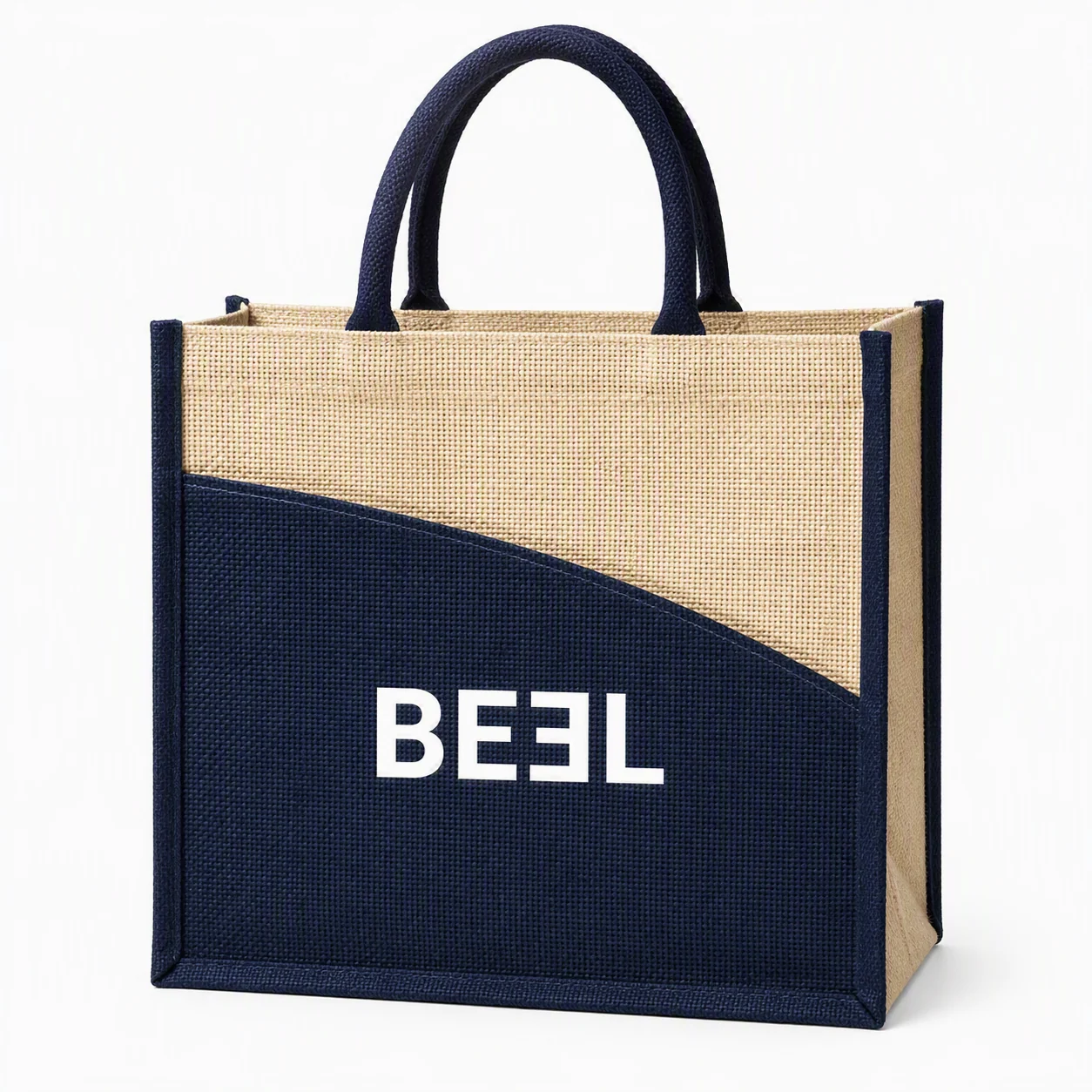
Buying in bulk? See our gifting tote bags, made at our Govandi, Mumbai factory with pan-India delivery.
Return gifts are one of the most cherished traditions of an Indian wedding, and the bag they arrive in is half the gift. Whether it is a silk potli holding dry fruits, a printed jute bag carrying a thamboolam set, or a cotton tote with the couple's monogram, the bag is what guests actually keep, reuse and remember. Yet most families and wedding planners ordering 200, 500 or 2,000 return gift bags struggle to find clear information: what materials are available, what bulk prices are realistic, what quantities manufacturers accept, and how early to order. This guide answers all of it, from our experience manufacturing bags in Mumbai since 1996.
Who This Guide Is For
Three kinds of buyers order wedding return gift bags in bulk, and their needs differ:
- Families planning a wedding: typically 200–1,000 bags, one or two designs, high emotional stakes, fixed date that cannot slip.
- Wedding planners and event managers: repeat buyers who need reliable quality across multiple client weddings, mixed sizes within one order, and dependable delivery.
- Return-gift retailers and gifting brands: white-label bulk buyers stocking potlis, pouches and totes for resale, for whom factory-direct pricing matters most.
We manufacture for all three, and the guidance below flags where their choices should differ.
The Main Types of Wedding Return Gift Bags
1. Potli Bags (Drawstring Pouches)
The classic. Potlis in silk brocade, velvet, satin or organza suit dry fruits, sweets, silver coins, haldi-kumkum sets and jewellery. Gota lace, zari borders and tassels lift a simple pouch into something guests photograph. Potlis are the most economical option at volume and the easiest to personalise with the couple's initials. See our drawstring bag construction for how the closure mechanism is built to survive repeated use.
2. Jute Return Gift Bags
Jute's natural golden weave suits traditional ceremonies beautifully and carries real weight, a laminated jute bag comfortably holds a coconut, sweets box and fruit without strain. For south Indian weddings, jute thamboolam bags are now the standard upgrade over plastic covers. Printed jute bags take names, dates and motifs (kalash, mango leaves, peacock, floral mandala) crisply in one- or two-colour screen printing. Browse the full jute bags range and our laminated jute options for heavier gift loads.
3. Cotton and Canvas Totes
Cotton bags are soft, washable and the most reused of all return gift bags, guests carry them to markets for years, which is exactly the point of a return gift. Canvas totes are the premium version: heavier fabric, structured shape, and ideal for destination weddings where the bag doubles as a welcome-hamper carrier holding an itinerary, snacks and water.
4. Non-Woven Gift Bags
For large guest lists (1,500+) on tight budgets, non-woven bags deliver the best cost per piece while still printing beautifully in festive colours. Loop-handle styles look closest to a boutique carry bag; D-cut styles are the most economical. A 90+ GSM box-bottom non-woven bag stands upright with a sweets box inside, important when bags are laid out on a distribution table.
Comparison Table: Materials, Loads and Realistic 2026 Bulk Prices
| Bag Type | Best For | Typical Load | Bulk Price Range (500+ pcs) |
|---|---|---|---|
| Satin/velvet potli | Dry fruits, coins, jewellery | 0.5–2 kg | Rs. 15–60 |
| Organza pouch | Light favours, chocolates | Up to 0.5 kg | Rs. 8–25 |
| Printed jute bag | Thamboolam, coconut + sweets | 5–10 kg | Rs. 45–120 |
| Laminated jute tote | Premium hampers | 10–15 kg | Rs. 95–250 |
| Cotton tote | Reusable everyday gift | 4–8 kg | Rs. 35–90 |
| Canvas tote | Destination-wedding welcome bags | 8–12 kg | Rs. 85–220 |
| Non-woven (loop/D-cut) | Very large guest lists | 3–8 kg | Rs. 12–45 |
Prices are indicative 2026 factory-direct rates and vary with fabric weight, size, print colours and finishing. Marketplace listings advertising Rs. 8–11 pieces are typically stock items with no customisation, customised pieces at those prices usually mean corners cut on stitching or fabric weight.
Personalisation Ideas That Guests Actually Keep
- Names and wedding date: the standard, screen printed on jute/cotton, or embroidered on premium potlis.
- Monogram or wedding logo: couples increasingly have a wedding monogram designed; a single-colour print of it costs the same as printing names.
- Regional motifs: kalash and mango-leaf borders for traditional ceremonies, peacock and paisley for sangeet-themed gifts, temple borders for south Indian weddings.
- Regional scripts: we print Devanagari, Gujarati, Tamil and other scripts, a Marathi shubh-vivah line on a jute bag lands very differently from generic English.
- Colour-coding by guest group: planners often order one design in three colourways (one for family, one for friends, one for colleagues) within a single production run.
- Keep one side clean: like corporate bags, return gift bags get reused in public when the personalisation is elegant and one-sided. A tasteful bag becomes a years-long memory of the wedding.
Matching the Bag to Regional Wedding Traditions
India does not have one wedding. It has dozens, and return gift customs differ meaningfully by region. Choosing a bag that fits the tradition makes the gift feel considered rather than generic.
South Indian Weddings: Thamboolam Bags
The thamboolam (traditionally betel leaves, areca nut, turmeric, kumkum, a coconut, fruit and often a blouse piece) is given to every married woman guest, which makes it the highest-volume return gift category in the country. The bag must carry real weight (a coconut alone is 400–600 grams) and stand upright on the distribution table. Printed jute bags in the 10x10x4 inch to 12x12x5 inch range dominate this segment, usually with a temple border, kalash motif or the couple's names in Tamil, Telugu, Kannada or Malayalam script. Families typically order 300–800 pieces; large community weddings can cross 2,000.
North Indian Weddings: Potlis and Shagun Pouches
North Indian return gifts lean toward dry fruits, sweets and shagun envelopes, which suit potli bags in velvet, brocade or satin with zari drawstrings. Deep maroon, royal blue and bottle green with gold detailing are perennial choices. Separate smaller potlis for the mehendi and sangeet functions (often in brighter colours like fuchsia and orange) are increasingly ordered alongside the main wedding potli, all within one production run.
Gujarati and Marwari Weddings
These communities often distribute return gifts across multiple functions (mameru, sangeet, the wedding itself) and favour colour-coordinated sets: one design produced in three or four colourways, sometimes with function-specific tags. Bandhani-inspired prints on cotton bags are a distinctive choice that photographs beautifully against traditional attire. Since these functions revolve around saree gifting, many families order matching saree covers alongside the gift bags. Our saree cover wholesale guide covers styles and bulk pricing.
Bengali Weddings: Tattva Carriers
The tattva exchange between families involves elaborate trays of gifts, and sturdy laminated jute totes have become the modern carrier of choice for the accompanying return gifts, strong enough for sweets boxes (Bengali sweets are heavy) and traditional in texture.
Nikah and Walima Functions
Elegant, understated designs (cream, gold, emerald) with Urdu or Arabic calligraphy of the couple's names or a duaa line. Satin potlis for dates and dry fruits are the most requested combination, and we print Urdu script cleanly at bulk volumes.
Sizing: Design the Bag Around the Gift, Not the Other Way Around
The most common bulk-order mistake is choosing a bag size from a catalogue photo and discovering at assembly time that the sweets box does not fit, or swims in a bag two sizes too large. Before requesting quotes, physically gather one complete set of your return gift contents and measure the footprint and height of the stacked items. Then apply these rules:
- Boxed items (sweets, dry fruits, crockery): bag base should exceed the box footprint by 1–1.5 inches in each direction; a box-bottom or gusseted construction prevents the box tilting.
- Soft/loose items (dry fruits in pouches, fabric): potli diameter should be roughly twice the bundled height of the contents so the drawstring closes with a generous gather, a strained drawstring looks cheap and fails first.
- Mixed hampers (coconut + box + fabric): jute or canvas tote with internal height at least 2 inches above the tallest item, and reinforced cross-stitched handles rated above the actual load.
- Bottles (oil, honey, sharbat): ask for a bottle-loop or divider stitch inside the bag; a loose bottle against a sweets box is the most common transit-damage pattern we see.
Share your contents list with the manufacturer and let them recommend dimensions, a good factory does this by default, and it costs nothing.
Budget Planning: What Return Gift Bags Cost at Real Guest Counts
Working budgets for the bag component (excluding gift contents), at typical 2026 factory-direct rates:
- 300 guests, satin potlis at Rs. 25–40: Rs. 8,000–13,000 total. The most economical complete solution for a mid-size wedding.
- 500 guests, printed jute thamboolam bags at Rs. 55–85: Rs. 28,000–43,000. The standard south Indian configuration.
- 800 guests, cotton totes with two-colour print at Rs. 45–70: Rs. 36,000–56,000. Maximum reuse value per rupee.
- 2,000 guests, non-woven loop-handle bags at Rs. 18–30: Rs. 36,000–60,000. Large community weddings where per-piece cost governs.
- 150 destination-wedding guests, canvas welcome totes at Rs. 120–200: Rs. 18,000–30,000. The bag is part of the experience, not just packaging.
Two budget levers matter more than haggling: print colours (each additional screen-print colour adds a fixed setup fee plus a per-piece charge, a single-colour gold print on coloured fabric delivers the most festive look per rupee) and standard sizes (fabric is cut most efficiently at standard dimensions; a half-inch of custom size can add more cost than an entire print colour).
Destination Weddings: The Welcome Bag Upgrade
For destination weddings in Udaipur, Goa, Jaipur or abroad, the return gift bag often becomes a welcome baghanded to guests at hotel check-in with an itinerary card, snacks, a water bottle and sunscreen. Canvas totes carry this load and survive the whole trip; guests then use them as beach or shopping bags for the rest of the stay, putting the couple's monogram in every event photo. Order these 12 weeks out: destination weddings have zero tolerance for delivery slippage, and shipments to hotels need coordination with the venue's receiving desk. We handle labelled, function-wise cartons for exactly this reason.
Five Common Bulk-Ordering Mistakes to Avoid
- Ordering exact guest count: always add 8–10% overrun.
- Choosing by photo instead of sample: screen colours lie; fabric weight cannot be judged from an image. Always approve a physical sample.
- Ignoring GSM/fabric weight in quotes: two quotes for "jute bags" can differ 40% in price because one uses lighter fabric and single stitching. Compare specifications, not just prices.
- Booking too late in wedding season: November–February slots fill by early autumn. A confirmed date deserves a confirmed production slot.
- Splitting the order across vendors to save money: dye lots and print shades will not match across factories, and mismatched bags on a distribution table are noticed. One factory, one run.
How Many Bags Should You Order?
Order 8–10% above your confirmed guest count. Every wedding has last-minute additions, a few bags are damaged during gift assembly, and families always want spares for neighbours and staff afterwards. At bulk rates, a 10% overrun adds little cost; a 50-piece emergency reorder two weeks before the wedding is expensive and often impossible to colour-match, since fabric dye lots vary.
Ordering Timeline: Work Backwards from the Wedding Date
- 8–10 weeks before: finalise bag type, size (measure your actual gift contents), material and design. Request quotes and fabric swatches.
- 6–7 weeks before: approve a physical sample: check print position, colour match against your wedding palette, and handle/drawstring strength.
- 5–6 weeks before: confirm the bulk order and pay the advance to book the production slot.
- 2 weeks before: take delivery, leaving time for gift assembly.
Season warning: the November–February and April–June wedding seasons overlap with festive production (see our Diwali bulk ordering guidethe same capacity crunch applies). A November wedding means ordering in early September at the latest.
Quality Checks Before You Accept Delivery
Three quick tests on random pieces catch most problems: (1) load a bag to 150% of its expected contents and lift by the handles or drawstring (no stretching at stitch points; (2) rub the printed area with a damp white cloth) no ink transfer, critical for bags handled at food-heavy functions; (3) for potlis, pull the drawstring fully open and closed 20 times, the cord must not fray at the channel. Our material comparison guide explains fabric-weight standards (GSM and ounces) if you want to verify specifications against your quote.
Sustainable Return Gifts: The Direction Weddings Are Moving
Plastic carry bags at weddings are disappearing, banned in many states and increasingly seen as tasteless. Jute and cotton return gift bags are compostable, reusable and align with how couples want their weddings remembered. A cloth bag that a guest uses weekly for two years is a return gift in the truest sense. If sustainability matters to your family or clients, ask the manufacturer for material specifications (genuine jute and cotton, not laminated look-alikes) and read our note on why jute has become the premium choice.
For Wedding Planners and Return-Gift Retailers: Factory-Direct Bulk Supply
If you buy return gift bags repeatedly (as a planner across client weddings or a retailer stocking for resale) factory-direct sourcing typically saves 15–30% versus marketplace resellers, and gives you control over fabric weight, sizing and stitching that listings never specify. We supply white-label, support mixed sizes and colourways within one order, and hold repeat clients' print screens so reorders skip setup charges. MOQs start at 500 pieces per design for custom printing; plain stock items can ship in smaller quantities.
Planners handling the groom’s side often add branded sherwani cover bags to the same order, so the wedding outfits travel in covers that match the return gift bags. Combining both into one production run usually saves on print setup.
What Happens After You Confirm: The Production Process
Knowing what happens inside the factory helps you plan and gives you the right questions to ask any manufacturer:
- Design finalisation (2–3 days): your artwork (names, monogram, motif) is converted into print-ready separations, one per colour. You approve a digital proof showing exact print position and size on the bag.
- Screen making and sampling (5–7 days): a stencil screen is made for each print colour, fabric is cut for a handful of pieces, and a physical sample is stitched, printed and couriered to you. This is your one chance to change anything cheaply, after sample approval, changes mean remaking screens and recutting fabric.
- Fabric procurement and cutting (3–5 days): fabric for the full run is bought from a single dye lot (this is why one order at one factory always colour-matches, and split orders never quite do) then cut in layered stacks for consistency.
- Printing and curing (4–8 days depending on volume): each colour is printed in a separate pass and heat-cured so the ink bonds to the fibre rather than sitting on top of it. Uncured ink is what peels and transfers, the wet-rub test at delivery exists to catch this.
- Stitching and finishing (7–14 days): panels are stitched, handles or drawstrings attached with reinforcement stitching, edges bound, and each piece trimmed and inspected.
- Packing and dispatch (1–2 days): bags are counted, bundle-packed, and boxed, function-wise or colourway-wise cartons on request, which saves your family real sorting time during assembly week.
Add courier transit (1–6 days by destination) and you can see why 8–10 weeks is a comfortable timeline and 4 weeks is a rushed one.
Custom vs Ready-Made: When Is Stock the Right Answer?
Custom printing is not always necessary. If your guest count is under 200, your date is under four weeks away, or return gifts are a small line item in the budget, plain stock bags in a wedding-appropriate colour (maroon jute, gold-trimmed potlis) deliver 80% of the effect with zero lead-time risk, and a printed ribbon or hang-tag with the couple's names can be added locally in days. Custom production earns its lead time when the guest count is large enough for the per-piece economics to work, when the bag itself is the gift's centrepiece, or when a planner wants a signature look across a multi-function wedding. An honest manufacturer will tell you which side of that line your order falls on, and yes, sometimes that means we recommend the smaller, simpler option.
Why Source Wedding Return Gift Bags from BEEL Bags
- In-house Mumbai manufacturing since 1996we control the production slot, so your wedding date is protected by us, not a trading intermediary. See why buyers prefer a Mumbai-based jute bag manufacturer.
- Full material range under one roof: potli fabrics, jute, laminated jute, cotton, canvas and non-woven.
- Screen printing and embroidery in regional scripts, metallic golds and multi-colour designs that do not peel or fade.
- Mixed-run flexibility: different sizes and colourways for different guest groups within one order.
- Nationwide delivery: 1 day to Pune, 2–3 days to Ahmedabad or Bangalore, 4–6 days to Delhi or Chennai.
Explore our bag collections or request a quote via our contact pageshare your guest count, gift contents and wedding date, and we will recommend the right bag and confirm your production slot.
Frequently Asked Questions
What is the minimum order quantity for wedding return gift bags?
500 pieces per design for custom-printed bags. Plain stock bags may be available in smaller quantities. Planners combining multiple client weddings into one order can mix designs across the total quantity, ask us.
How early should I order return gift bags for a wedding?
8–10 weeks before the wedding for custom orders, and earlier (10–12 weeks) for November–February peak-season dates when factory slots fill fast.
Can you print the couple's names and wedding date on the bags?
Yes, names, dates, monograms and motifs, screen printed or embroidered, in English and regional scripts including Devanagari, Gujarati and Tamil.
Which bag is best for thamboolam gifts?
Printed jute bags are the most popular thamboolam choice: strong enough for a coconut, blouse piece and sweets, traditional in appearance, and economical at Rs. 45–120 per piece in bulk.
Do you supply wedding planners and return-gift shops at wholesale rates?
Yes, white-label, factory-direct, with mixed sizes and colourways in one order and stored print screens for repeat reorders.
Can I get a sample before placing the bulk order?
Yes, and you should. We provide a physical pre-production sample so you can verify size, fabric and print quality before production begins. Budget 7–10 days for sampling in your timeline.