Jute, often called the golden fibre, has transitioned from a basic packaging material into a premium fashion and retail accessory. For modern retailers looking to stand out, natural jute tote bags offer the perfect combination of durability, aesthetic appeal, and environmental responsibility. In this comprehensive guide, we explore the latest trends in jute bag design, analyze why premium brands choose jute, and explain how to source them for your retail business.
Why Modern Retailers Prefer Jute Bags
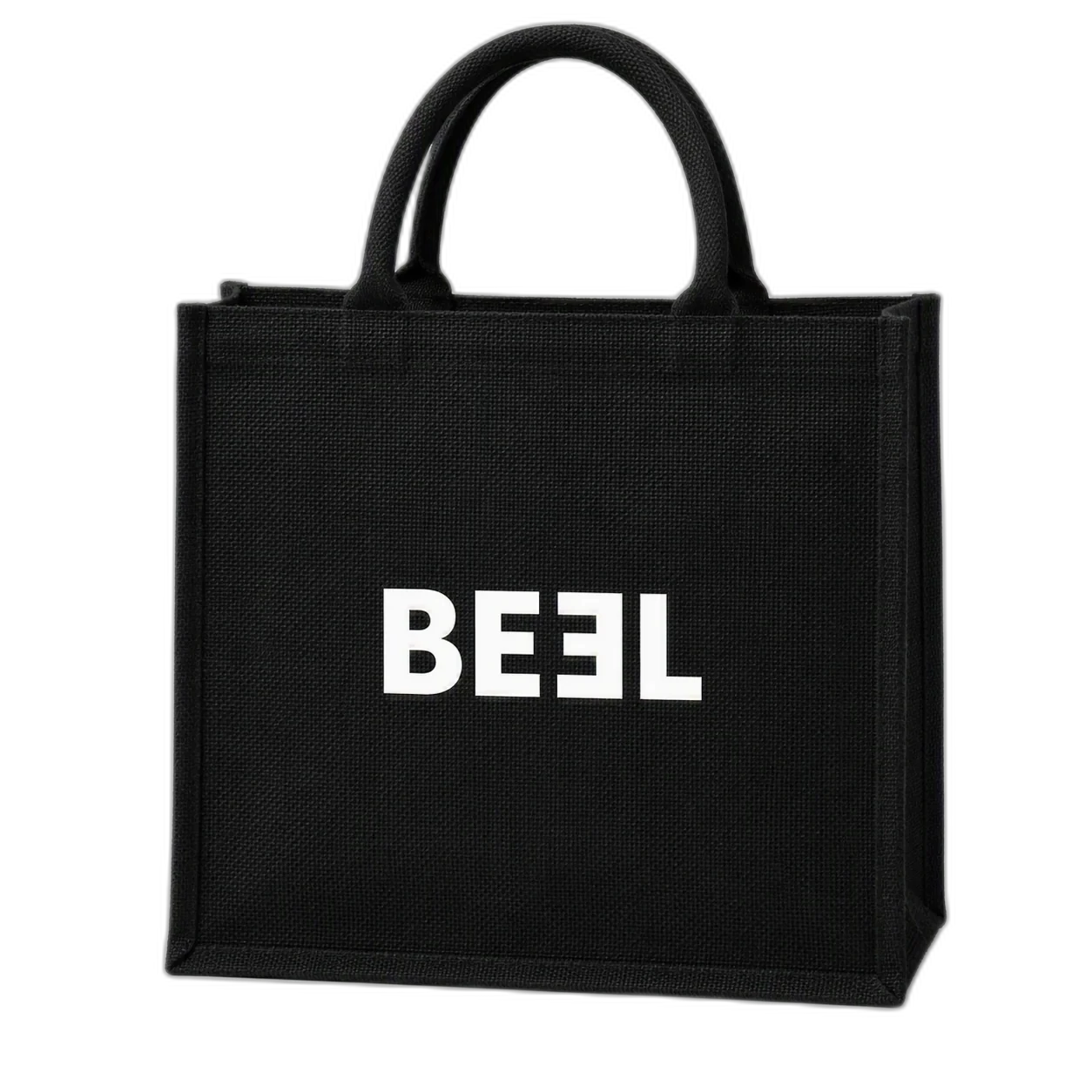
Jute has a unique texture and natural color that immediately communicates sustainability. When a customer walks out of your store carrying a high-quality jute bag, they are carrying a premium advertisement. Because jute is highly strong and reusable, these bags are kept and carried in public for years, giving your brand maximum exposure.
At BEEL Bags, we manufacture custom jute and Juco bags for retailers in Mumbai and export markets. Explore our retail shopping bags collection to see what we offer.
Leading Design Trends in Jute Bags
1. Juco (Jute-Cotton Blend) Bags
Juco combines the strength of jute with the softness of cotton. It features a tighter weave, which creates a smoother surface. This makes Juco bags ideal for detailed custom screen printing, allowing retail brands to print complex logos and graphics. Juco is highly popular in beauty, cosmetics, and luxury retail.
2. Two-Tone Contrast Styling
Rather than using a single natural color, designers are combining dyed jute panels with natural jute. Using colored gussets (sides and bottom) in black, navy blue, red, or green, and natural unbleached jute for the front panels, creates a modern, stylish look that shoppers love to reuse.
3. Round Cotton Webbing Handles
Traditional flat jute handles can be rough on the hands. The current trend is to use soft, padded cotton webbing rope handles. This simple upgrade makes the bag comfortable to carry for grocery shopping or daily commuting, increasing the frequency of reuse.
4. Water-Resistant Inner Lamination
Most premium retail jute bags now feature a thin inner lamination layer. This protects the bag from moisture, makes it easy to clean, and helps it maintain its structured shape when placed on a table or counter.
Jute vs Cotton and Non-Woven Bags
To help you choose the right shopping bag for your store, we have compared the leading materials below:
| Bag Criteria | Natural Jute Bag | Cotton Canvas Tote | Non-Woven PP Bag |
|---|---|---|---|
| Load Capacity | Highest (12 to 18 kg) | High (8 to 12 kg) | Medium (5 to 8 kg) |
| Product Lifespan | 2 to 4 years | 1 to 3 years | 6 to 12 months |
| Brand Image | Premium Organic | Casual Fashionable | Utility Eco-friendly |
| Water Resistance | Excellent (with lamination) | Low (unless treated) | Splash resistant |
| Price Point | Higher | Medium | Lowest |
How to Source Jute Bags for Your Retail Brand
To ensure you get the best quality and value, follow these sourcing tips:
- Verify the Gusset Sizing: A shopping bag needs side and bottom gussets (typically 4 to 6 inches) to hold boxes, clothing, or grocery items comfortably.
- Ensure Cross-Stitched Handles: Jute handles carry heavy loads. Always confirm that the handles are box stitched or cross-stitched to prevent them from ripping off.
- Simplify Your Logo Design: Jute has a textured weave. Bold, clean logos with 1 or 2 print colours look much sharper than complex designs with fine details.
Why Choose BEEL Bags for Your Jute Orders
BEEL Bags is an experienced manufacturer of retail packaging. We provide:
- Direct factory pricing with no middleman markup
- Custom sizes, colours, and handle upgrades
- High-quality screen printing with durable inks
- Expert design support to match your brand identity
- Nationwide delivery and international export support
Visit our contact page to connect with our retail design team and request custom samples.
Frequently Asked Questions
What is the minimum order quantity for custom jute bags?
Our minimum order quantity for custom printed jute bags is 500 units per design. For stock options, smaller quantities may be available.
Are your jute bags biodegradable?
Natural jute fibre is 100% biodegradable and compostable. However, if the bag has a plastic inner lamination or a polyester zipper, those parts must be removed before composting.
Can you dye jute to match our corporate brand colors?
Yes. We can dye jute fabric to match your brand colors for orders above 2,000 units. For smaller orders, we offer a range of stock colored jute fabrics.
Enquire About Custom Jute Bags
Step-by-Step Jute Bag Sourcing and Design Guide
Designing a custom jute bag for your retail store involves several key decisions. Follow this guide to create a product that appeals to your customers and displays your brand elegantly:
Step 1: Choose the Right Jute Grade
Jute fibers are graded based on color, strength, and texture. Fine-grade jute has a lighter, cleaner appearance and is ideal for premium retail bags. Coarse-grade jute is darker and rougher, making it suitable for heavy-duty shopping bags and agricultural packaging.
Step 2: Define the Lamination Type
Raw jute is highly porous and absorbs water easily. Adding a thin inner lamination layer makes the bag water-resistant, prevents fraying, and helps it maintain its structured shape. You can choose standard LDPE lamination or biodegradable plant-based starches (PLA) for a fully eco-friendly bag.
Step 3: Select Handle Materials
The handle determines how comfortable the bag is to carry. Popular options include: Cotton webbing rope handles (soft and comfortable for long shopping trips) Self-fabric jute handles (durable and budget-friendly) Cane or bamboo handles (premium, organic aesthetic for luxury gift bags)
Step 4: Optimize Your Branding Artwork
Due to jute's coarse texture, fine lines and complex color gradients do not print well. Focus on bold typography and clean, solid-color logos. We recommend 1 or 2 screen-print colors for the best results.
The Environmental Science of Jute Cultivation
Jute is one of the most eco-friendly fibers on earth. Here is why:
- Low Water Footprint: Jute is primarily rain-fed and requires significantly less water to grow than cotton.
- Zero Pesticide Use: The crop grows quickly and has natural pest resistance, eliminating the need for chemical fertilizers and pesticides.
- High Carbon Assimilation: One hectare of jute plants consumes about 15 metric tons of carbon dioxide and releases 11 metric tons of oxygen during its 120-day growing cycle.
- Soil Enrichment: Jute leaves and roots decompose in the soil, enriching it with nutrients and improving fertility for subsequent crops like rice.
Case Study: Eco-Friendly Reusable Packaging for a Luxury Cosmetics Brand
A premium cosmetics brand with boutique stores in Mumbai and Delhi wanted to replace their single-use paper shopping bags with reusable jute pouches. They needed packaging that aligned with their luxury, organic brand image.
We designed a slim Juco (jute-cotton blend) bag with soft cotton drawstring closures and a clean, single-color logo print. The bag featured a biodegradable inner lamination to protect the cosmetics from moisture.
The client ordered 10,000 units. The campaign was highly successful, with customers sharing photos of the premium packaging on Instagram. The bags were frequently reused as travel pouches, extending the brand's visibility for months.
Comparison of Jute Bag Sourcing Regions in India
When buying jute bags in bulk, understanding where they are manufactured is helpful:
Kolkata Jute Belt
Kolkata is the global center for raw jute processing and manufacturing. It offers the lowest raw material costs, but shipping finished bags to West or South India takes longer and adds transport costs.
Mumbai Manufacturing Hub
Mumbai factories source raw jute fabric rolls from Kolkata and handle the custom cutting, stitching, printing, and delivery locally. This reduces lead times and allows West/South Indian buyers to inspect production easily.
Detailed Sustainability and Recycling Lifecycle of Reusable Bags
The environmental benefit of transitioning to reusable bags depends on their lifecycle and reuse frequency. Here is an analysis of how different bag materials contribute to sustainability goals:
1. Carbon Footprint and Reuse Thresholds
Every reusable bag requires more resources to manufacture than a single-use plastic bag. Therefore, they must be reused multiple times to achieve a net environmental benefit. A standard non-woven PP bag needs to be reused at least 11 times, a cotton canvas tote bag at least 131 times, and a natural jute bag at least 39 times to offset the environmental impact of its production phase. Encouraging customers to reuse their bags is key to maximizing green initiatives.
2. Recyclability at End-of-Life
Non-woven PP bags are made from a single polymer, making them highly recyclable. They can be shredded and melted down to produce raw plastic pellets for industrial packaging. Cotton and jute bags are made from natural plant fibers and are biodegradable, returning to the soil under composting conditions without leaving microplastic residues.
3. Environmental Standards and Certifications
When sourcing sustainable bags, look for recognized industry certifications to verify the eco claims: GOTS (Global Organic Textile Standard) confirms that cotton is grown organically without chemical inputs. FSC (Forest Stewardship Council) verifies that paper packaging is sourced from responsibly managed forests. ISO 14001 indicates that the manufacturer follows an certified environmental management system.
Cost Breakdown and Price Negotiation Strategies for Wholesale Buyers
Understanding how manufacturers structure their quotes helps buyers negotiate fair pricing and optimize order specifications. Bulk bag pricing is determined by four main factors:
1. Fabric and Raw Material Cost
This is the largest component, accounting for 50 to 70 percent of the unit price. Material cost is calculated by weight (GSM for non-woven, ounces for canvas, and fabric width for polyester). Sourcing during off-peak textile seasons or choosing standard stock colors helps lower raw material costs.
2. Stitching and Labor Charges
This covers the time required to cut, sew, and assemble the bag. Bags with complex pocket layouts, inner linings, padded compartments, and zippers require more stitching time and have higher labor charges. Simplifying the design reduces the cost per unit.
3. Printing and Setup Fees
Screen printing requires creating a stencil screen for each color in your logo. Setup fees are fixed, meaning they are spread thin over large quantities. Adding multiple print colors increases the setup and printing charge. Focus on single-color or dual-color logos to minimize printing costs.
4. Packaging and Freight Charges
Standard packaging involves packing bags in bulk cartons. Requesting individual plastic wraps or custom tags adds to the packaging labor and material cost. Shipping costs are calculated by volume and weight, so compressing and folding bags tightly before boxing lowers freight fees.
Practical Quality Inspection Procedures for Bulk Sourcing
Ensuring the quality of a bulk bag shipment requires a systematic inspection process. Whether you are buying canvas totes, polyester backpacks, or non-woven shopping carriers, use these standard quality tests before approving dispatch from the factory:
1. Seam Strength and Tensile Test
The durability of a bag depends on its seam construction. Choose random samples from the production line and load them with weight exceeding the rated carrying capacity by 50 percent (for example, load a 10 kg rated backpack with 15 kg of weight). Lift the bag by the straps and handles, shake it gently, and inspect the stitch points for any loose threads or fabric stretching.
2. Stitch Count Verification
Standard retail and corporate bags should have a stitch density of 6 to 8 stitches per inch. Lower stitch density (fewer than 4 stitches per inch) reduces the bag's tear resistance, causing seams to split open under load. Check that nylon binding tapes are stitched cleanly along all raw interior edges to prevent fraying.
3. Colorfastness and Rub Test
Promotional bags are often exposed to sweat, rain, and washing. Rub the printed logo area with a wet white cloth using moderate pressure. The ink should not transfer to the cloth. Check that the fabric color does not bleed when exposed to water, which is particularly important for dyed cotton, canvas, and jute bags.
4. Zipper and Puller Endurance Check
Open and close all zippers on the sample bag at least 20 times. The runner should move smoothly along the track without catching the inner lining fabric. The zipper teeth should stay aligned and not split open when pressure is applied to the side panels.