Non-Woven Bags Manufacturer in Mumbai: Wholesale Buyer's Guide to Pricing, Types and MOQ (2025)
If you are a retailer, brand, NGO, event company, or corporate buyer looking to purchase non-woven bags in bulk from a Mumbai manufacturer, this guide is written for you. We cover every bag type available, how pricing works, what questions to ask before placing an order, and why sourcing directly from a Mumbai factory saves you 20 to 40 percent compared to buying through a reseller.
Why Non-Woven Bags Dominate Bulk Orders in Mumbai
Non-woven polypropylene (PP) bags have become the go-to alternative to plastic bags across India. Since the Maharashtra plastic ban, demand has jumped sharply. Businesses across retail, FMCG, pharma, events, and corporate gifting now order non-woven bags in bulk because they are:
- Reusable for 50 to 100 uses depending on GSM
- Easy to print on with clean, sharp logo results via screen printing
- Very affordable in bulk, with prices dropping steeply at volume
- Eco-friendly compared to single-use plastic
- Available in 30 or more standard fabric colours plus custom Pantone options
Types of Non-Woven Bags Available from BEEL Bags, Mumbai
We manufacture the complete range of non-woven bag types at our Jogeshwari facility. Here is a breakdown:
D-Cut Non-Woven Bags
The most widely used bag in retail. The handle is cut directly from the bag body in a D-shape, so there is no separate handle. Lightweight, cost-effective, and ideal for high-volume retail distribution. Available from 50 GSM to 100 GSM.
Best for: Grocery stores, pharmacies, vegetable markets, FMCG distribution
W-Cut Non-Woven Bags
Has two loop handles stitched to the bag body. Sturdier than D-cut and can carry heavier loads. The preferred choice for garment shops and corporate bulk gifting. Available in single and double-layer construction.
Best for: Garment stores, supermarkets, corporate gifting, product launches
Loop Handle Non-Woven Bags
A premium variant where a separate soft rope or ribbon loop handle is stitched onto the bag body. Gives a boutique bag feel at an affordable price point. Ideal for brands that want to stand out. View our loop handle non-woven bags here.
Best for: Premium retail, corporate events, conference kits, product launch gift bags
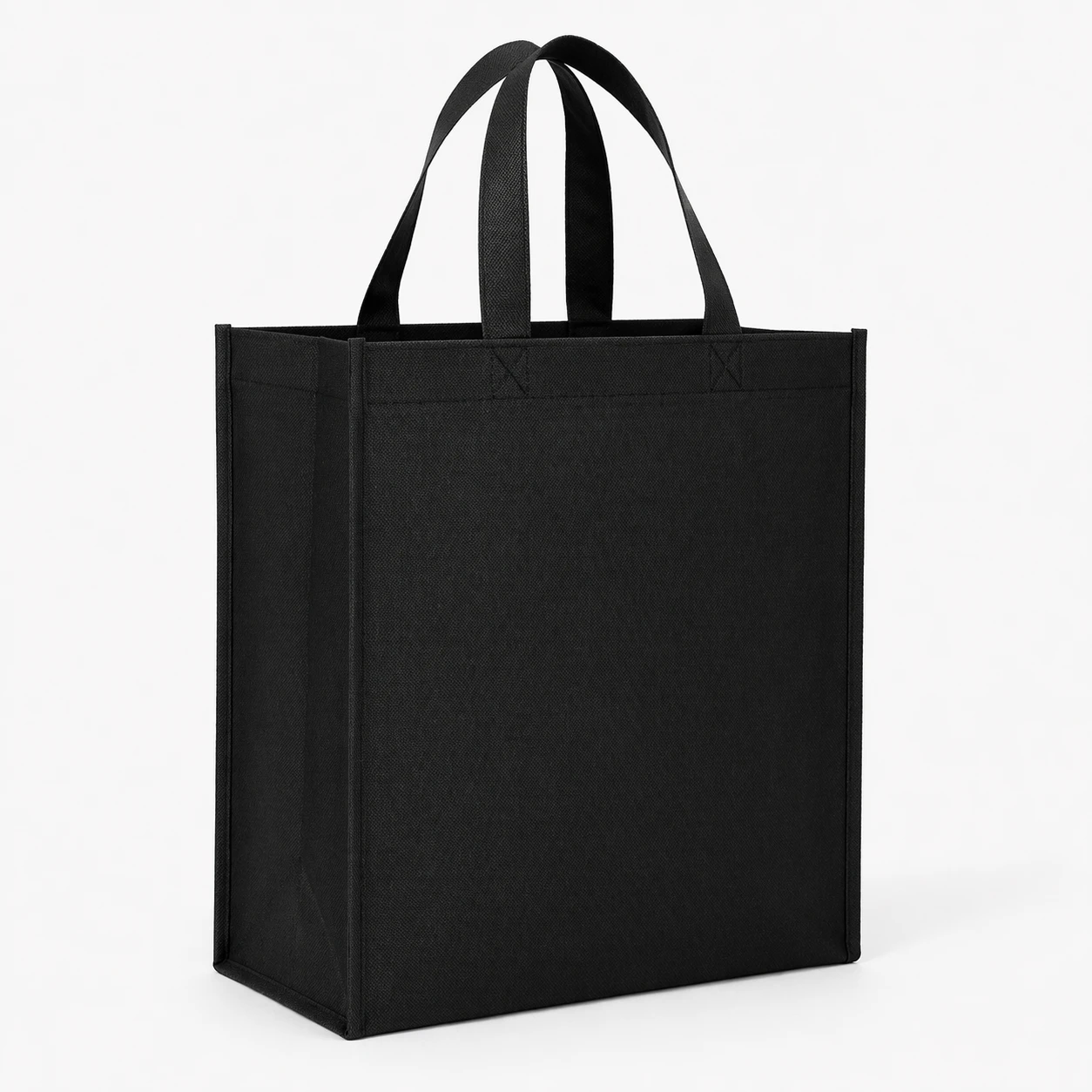
Box or U-Cut Non-Woven Bags
Has a flat base gusset that gives the bag a box-like, three-dimensional shape when open. Stands upright and holds more volume. Popular for hamper packaging and liquor retail.
Best for: Gift hampers, supermarkets, bottle packaging, food delivery businesses
Non-Woven Tote Bags
A stitched bag with long shoulder handles. Fashion-forward and ideal for brand promotions, exhibitions, and events. Also available as part of our retail shopping bags range.
Best for: Trade shows, brand activations, college events, product sampling
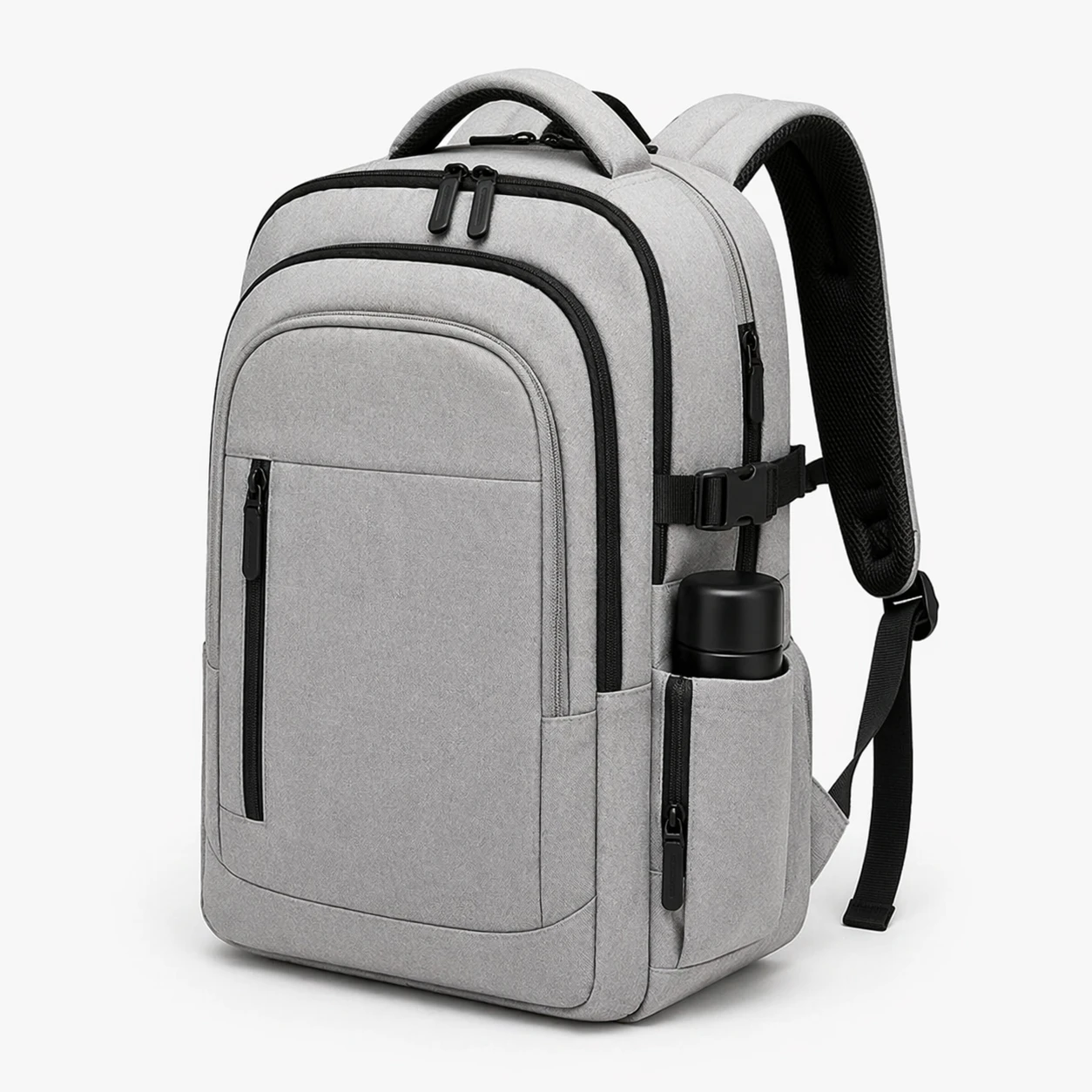
Non-Woven Laptop and Document Bags
Structured bags with zip closure, interior compartments, and padded panels for laptop protection. Used widely for corporate gifting and employee joining kits. Browse our laptop bags range.
Best for: IT company joining kits, corporate gifts, banking and finance sector
Non-Woven Bag Pricing in Mumbai: 2025 Wholesale Rates
Pricing depends on GSM, bag size, handle type, quantity, and number of print colours. The table below gives a realistic guide for direct-from-manufacturer rates in Mumbai:
| Bag Type | GSM | Price per piece (MOQ 1,000) | Price per piece (MOQ 5,000 and above) |
|---|---|---|---|
| D-Cut (small to medium) | 60 to 70 | Rs. 8 to Rs. 11 | Rs. 6 to Rs. 8 |
| W-Cut (medium) | 70 to 80 | Rs. 12 to Rs. 16 | Rs. 9 to Rs. 12 |
| Box Bag (medium) | 80 to 90 | Rs. 18 to Rs. 24 | Rs. 14 to Rs. 18 |
| Loop Handle Tote | 80 to 100 | Rs. 22 to Rs. 35 | Rs. 16 to Rs. 25 |
| Laptop Bag | 90 to 100 | Rs. 70 to Rs. 120 | Rs. 55 to Rs. 90 |
Prices are indicative and vary with custom sizes and print colours. Request an exact quote here.
Understanding GSM: The Single Most Important Specification
GSM (grams per square metre) determines how thick and durable the non-woven fabric is. Buyers often confuse "cheap" with "cost-effective" and GSM is where that line sits.
- 50 to 60 GSM — Very lightweight, borderline single-use, not recommended for branded bags
- 70 to 80 GSM — Standard for retail bags, reusable 30 to 50 times
- 90 to 100 GSM — Premium and sturdy, ideal for corporate gifting and laptop bags
- 120 GSM and above — Heavy-duty, used for industrial or large grocery bags
For any branded bag where you want customers to reuse it and see your logo for months, 70 GSM is the minimum you should order.
Minimum Order Quantities for Non-Woven Bags in Mumbai
Our standard MOQs at BEEL Bags:
- Standard non-printed bags: 500 units
- Custom printed bags in 1 colour: 500 units
- Custom printed bags in 2 to 3 colours: 1,000 units
- Custom size or custom fabric colour: 1,000 units
For quantities below 500 units, contact us to check availability as we sometimes accommodate smaller batches depending on production schedule.
Buying Direct from Manufacturer vs Trader in Mumbai
| Factor | Direct Manufacturer (BEEL Bags) | Trader or Reseller |
|---|---|---|
| Price | Factory rate, no markup | 15 to 35 percent higher |
| Custom sizes | Any dimension available | Limited to stock sizes |
| Quality control | Direct factory oversight | No direct visibility |
| Lead time | 7 to 14 days | Depends on stock availability |
| Custom printing | In-house, faster | Outsourced, slower |
About BEEL Bags: Non-Woven Bag Manufacturer in Mumbai Since 1996
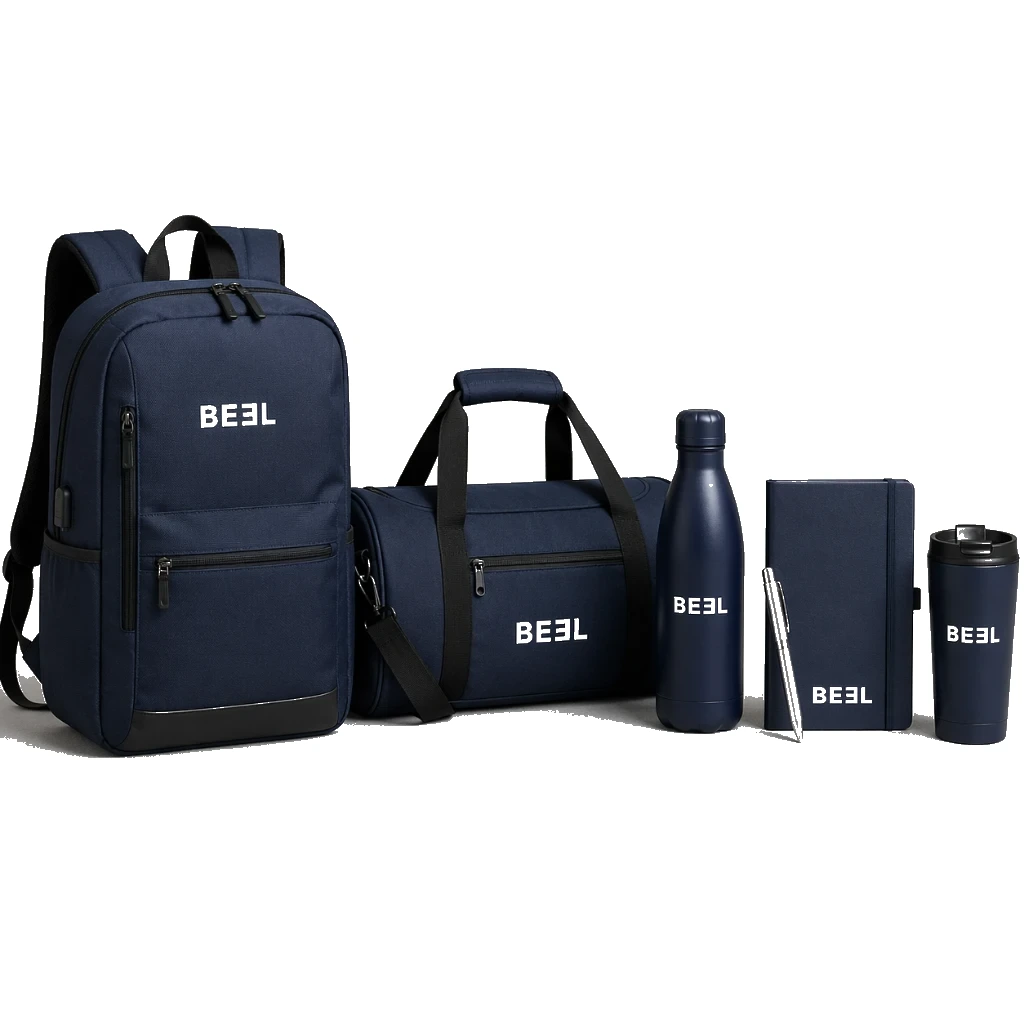
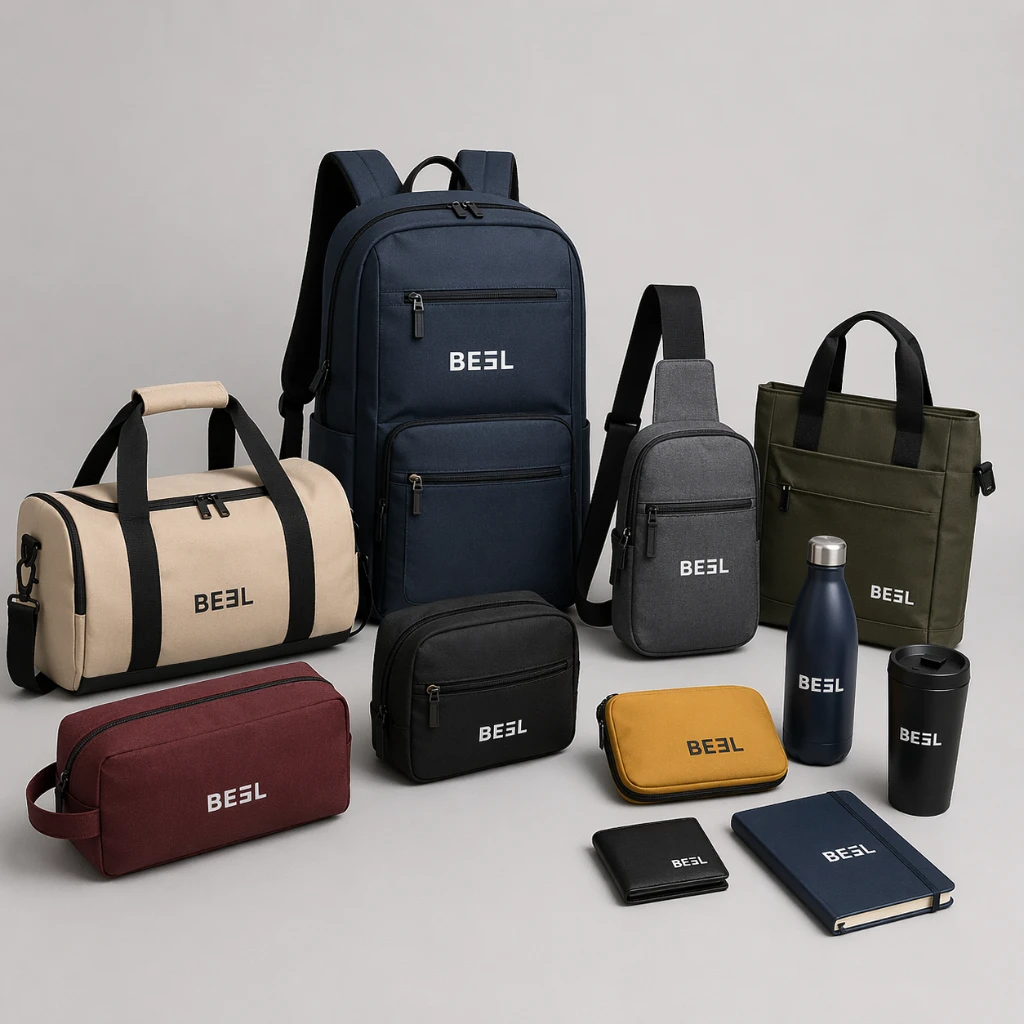
BEEL Bags has been manufacturing bags from our facility in Jogeshwari, Mumbai for nearly 30 years. We supply non-woven bags in bulk to retailers, NGOs, corporates, event companies, and FMCG brands across Maharashtra and pan-India. Read more about our manufacturing history.
Our non-woven bag manufacturing capabilities include:
- All bag types: D-cut, W-cut, box bag, loop handle, laptop bag, folder
- In-house screen printing up to 4 colours
- Custom sizes from 6x8 inches to 18x20 inches
- Non-woven fabric in 30 plus standard colours with custom Pantone matching
- GSM range from 60 to 120
- Bulk orders of 10,000 plus units fulfilled within 15 working days
If you also need bags for retail environments, explore our retail shopping bags page for canvas, non-woven, and jute shopping bag options.
Frequently Asked Questions
What is the price of non-woven bags per piece in Mumbai?
For standard W-cut bags at 70 GSM with 1-colour printing, prices start from Rs. 9 to Rs. 12 per piece at a minimum order of 1,000 units. Prices reduce further for larger quantities. Contact us for an exact quote based on your size and specifications.
Do you supply only in Mumbai or pan-India?
We manufacture in Mumbai and supply pan-India via courier and transport for large orders. Clients in Pune, Delhi, Bangalore, and Chennai order from us regularly.
Can I request a sample before placing a bulk order?
Yes. Standard unprinted samples are sent free of charge. Printed samples are charged at actuals and the cost is adjusted against your confirmed bulk order.
How long does a bulk order of 5,000 bags take?
For standard bags with 1 to 2 colour printing, production and delivery typically takes 10 to 12 working days from order confirmation and design approval.
Do you issue a GST invoice?
Yes. All orders come with a proper GST invoice. We are a GST-registered manufacturer based in Mumbai.
Request a Free Sample or Wholesale Quote
If you are sourcing non-woven bags in bulk from Mumbai, BEEL Bags can provide factory pricing, physical samples, and a colour catalogue to help you make the right choice. Share your bag requirements and we will respond within 24 hours.
Detailed Sustainability and Recycling Lifecycle of Reusable Bags
The environmental benefit of transitioning to reusable bags depends on their lifecycle and reuse frequency. Here is an analysis of how different bag materials contribute to sustainability goals:
1. Carbon Footprint and Reuse Thresholds
Every reusable bag requires more resources to manufacture than a single-use plastic bag. Therefore, they must be reused multiple times to achieve a net environmental benefit. A standard non-woven PP bag needs to be reused at least 11 times, a cotton canvas tote bag at least 131 times, and a natural jute bag at least 39 times to offset the environmental impact of its production phase. Encouraging customers to reuse their bags is key to maximizing green initiatives.
2. Recyclability at End-of-Life
Non-woven PP bags are made from a single polymer, making them highly recyclable. They can be shredded and melted down to produce raw plastic pellets for industrial packaging. Cotton and jute bags are made from natural plant fibers and are biodegradable, returning to the soil under composting conditions without leaving microplastic residues.
3. Environmental Standards and Certifications
When sourcing sustainable bags, look for recognized industry certifications to verify the eco claims: GOTS (Global Organic Textile Standard) confirms that cotton is grown organically without chemical inputs. FSC (Forest Stewardship Council) verifies that paper packaging is sourced from responsibly managed forests. ISO 14001 indicates that the manufacturer follows an certified environmental management system.
Cost Breakdown and Price Negotiation Strategies for Wholesale Buyers
Understanding how manufacturers structure their quotes helps buyers negotiate fair pricing and optimize order specifications. Bulk bag pricing is determined by four main factors:
1. Fabric and Raw Material Cost
This is the largest component, accounting for 50 to 70 percent of the unit price. Material cost is calculated by weight (GSM for non-woven, ounces for canvas, and fabric width for polyester). Sourcing during off-peak textile seasons or choosing standard stock colors helps lower raw material costs.
2. Stitching and Labor Charges
This covers the time required to cut, sew, and assemble the bag. Bags with complex pocket layouts, inner linings, padded compartments, and zippers require more stitching time and have higher labor charges. Simplifying the design reduces the cost per unit.
3. Printing and Setup Fees
Screen printing requires creating a stencil screen for each color in your logo. Setup fees are fixed, meaning they are spread thin over large quantities. Adding multiple print colors increases the setup and printing charge. Focus on single-color or dual-color logos to minimize printing costs.
4. Packaging and Freight Charges
Standard packaging involves packing bags in bulk cartons. Requesting individual plastic wraps or custom tags adds to the packaging labor and material cost. Shipping costs are calculated by volume and weight, so compressing and folding bags tightly before boxing lowers freight fees.
Practical Quality Inspection Procedures for Bulk Sourcing
Ensuring the quality of a bulk bag shipment requires a systematic inspection process. Whether you are buying canvas totes, polyester backpacks, or non-woven shopping carriers, use these standard quality tests before approving dispatch from the factory:
1. Seam Strength and Tensile Test
The durability of a bag depends on its seam construction. Choose random samples from the production line and load them with weight exceeding the rated carrying capacity by 50 percent (for example, load a 10 kg rated backpack with 15 kg of weight). Lift the bag by the straps and handles, shake it gently, and inspect the stitch points for any loose threads or fabric stretching.
2. Stitch Count Verification
Standard retail and corporate bags should have a stitch density of 6 to 8 stitches per inch. Lower stitch density (fewer than 4 stitches per inch) reduces the bag's tear resistance, causing seams to split open under load. Check that nylon binding tapes are stitched cleanly along all raw interior edges to prevent fraying.
3. Colorfastness and Rub Test
Promotional bags are often exposed to sweat, rain, and washing. Rub the printed logo area with a wet white cloth using moderate pressure. The ink should not transfer to the cloth. Check that the fabric color does not bleed when exposed to water, which is particularly important for dyed cotton, canvas, and jute bags.
4. Zipper and Puller Endurance Check
Open and close all zippers on the sample bag at least 20 times. The runner should move smoothly along the track without catching the inner lining fabric. The zipper teeth should stay aligned and not split open when pressure is applied to the side panels.