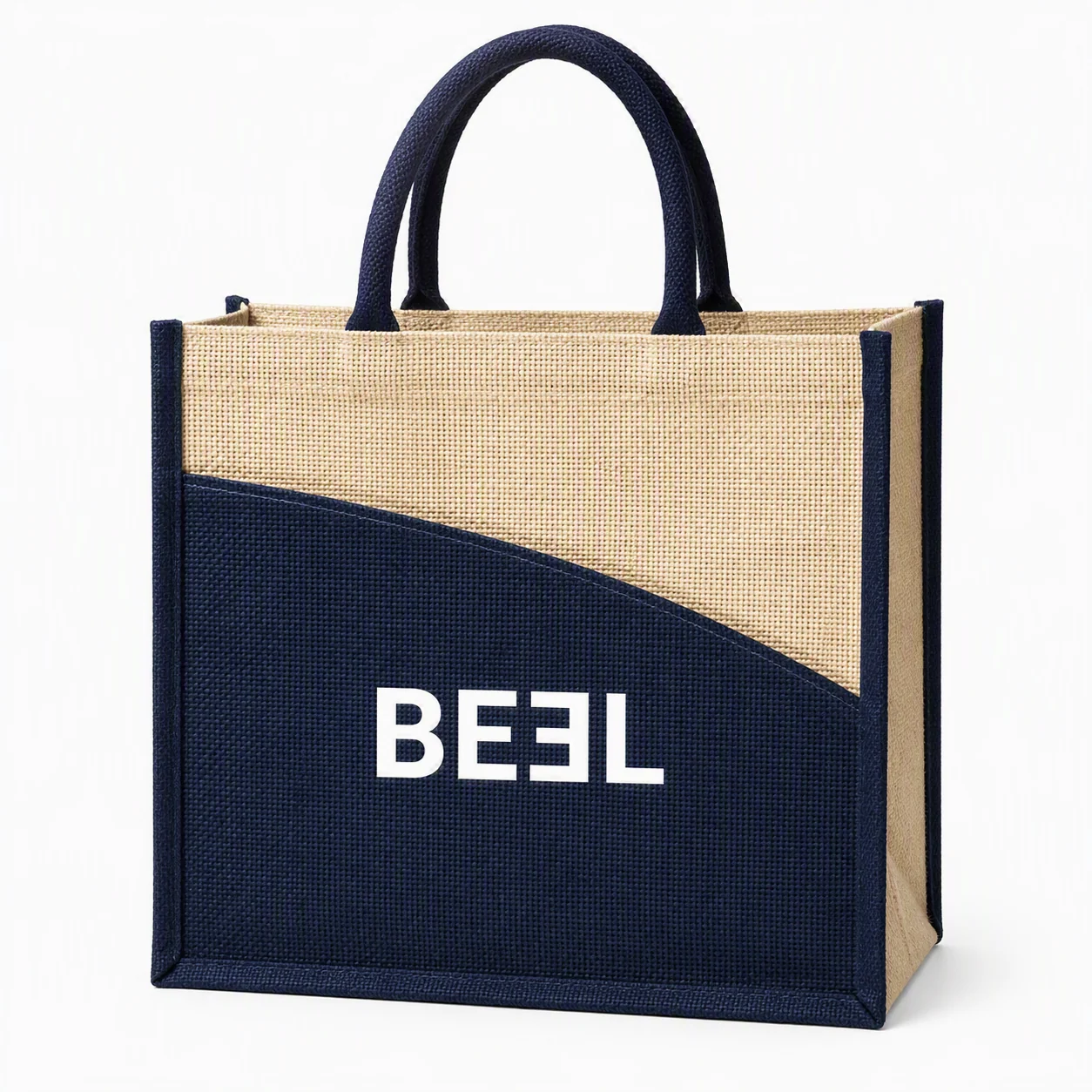
Buying in bulk? See our jute bags, made at our Govandi, Mumbai factory with pan-India delivery.
Jute Bags vs Plastic Bags: Why India is Leading the Sustainable Bag Revolution
For decades, plastic bags have been the default choice for shopping, packaging, and product distribution. Their low cost and easy availability made them popular worldwide. However, the environmental consequences of single-use plastics have become impossible to ignore.
According to government estimates, India generates millions of tonnes of plastic waste every year, and a significant portion of it consists of single-use plastic products that are difficult to recycle effectively. Plastic bags frequently end up in landfills, rivers, lakes, and oceans, where they persist for hundreds of years and contribute to environmental degradation.
To address this growing issue, the Government of India implemented a nationwide ban on identified single-use plastic items from 1 July 2022. The notification marked a major shift in India's approach toward sustainable packaging and encouraged businesses and consumers to seek environmentally friendly alternatives.
Among all alternatives, jute bags have emerged as one of the most practical and sustainable solutions. Durable, reusable, biodegradable, and manufactured from natural fibres, jute bags are increasingly replacing plastic bags across retail stores, exhibitions, educational institutions, corporate events, and government initiatives.
India's leadership in jute production and manufacturing places the country at the center of the global movement toward sustainable packaging.
India's Plastic Bag Problem and the 2022 Single-Use Plastic Ban
Plastic pollution has become one of India's biggest environmental challenges. Single-use plastic bags are particularly problematic because they:
- Take hundreds of years to decompose.
- Clog drainage systems and contribute to urban flooding.
- Break down into harmful microplastics.
- Threaten marine and wildlife ecosystems.
- Create long-term landfill management issues.
The Government of India's ban on selected single-use plastic items accelerated the demand for sustainable alternatives and encouraged industries to adopt reusable packaging materials.
| Challenge | Impact of Plastic Bags |
|---|---|
| Waste Management | Large quantities accumulate in landfills. |
| Drainage Systems | Causes blockage and urban flooding. |
| Marine Pollution | Harms aquatic life and ecosystems. |
| Decomposition | Can remain in the environment for centuries. |
| Microplastics | Contaminates soil and water sources. |
What Are Jute Bags?
Jute bags are reusable bags manufactured from natural fibres extracted from the jute plant. Jute is commonly known as the Golden Fibre because of its natural shine, strength, and versatility.
Unlike synthetic materials derived from petroleum, jute is a renewable agricultural crop that can be cultivated and processed with relatively lower environmental impact.
Understanding GSM in Jute Bags
GSM (Grams per Square Metre) measures the thickness and density of jute fabric.
| GSM Range | Usage | Features |
|---|---|---|
| 180–220 GSM | Promotional Bags | Lightweight and economical |
| 250–320 GSM | Shopping Bags | Strong and reusable |
| 350+ GSM | Premium Corporate Bags | Heavy-duty and durable |
Popular Types of Jute Bags
1. Tote Bags
Tote bags are among the most popular jute bag designs because of their versatility and large branding area. They are widely used for:
- Corporate gifting
- Retail shopping
- Conferences and exhibitions
- Promotional campaigns
Explore our collection of custom tote bags.
2. D-Cut Jute Bags
D-cut bags feature die-cut handles and are suitable for:
- Retail stores
- Trade exhibitions
- Product launches
- Lightweight packaging requirements
3. W-Cut Jute Bags
W-cut bags feature side gussets and wider bases, making them ideal for:
- Grocery stores
- Garment retailers
- Corporate gift suppliers
- Large shopping outlets
Jute Bags vs Plastic Bags: An Environmental Comparison
Choosing between jute and plastic is not simply a cost decision. It is also a decision about environmental responsibility and long-term sustainability.
| Parameter | Jute Bags | Plastic Bags |
|---|---|---|
| Raw Material | Natural plant fibre | Petroleum-based polymers |
| Biodegradability | Biodegradable | Non-biodegradable |
| Decomposition Time | Few months | Hundreds of years |
| Reusability | High | Limited |
| Carbon Footprint | Lower environmental impact | Higher dependence on fossil fuels |
| End-of-Life Impact | Returns to nature | Creates long-term waste |
Carbon Footprint and Sustainability
Jute plants absorb significant amounts of carbon dioxide during cultivation and release oxygen into the atmosphere. Since jute is a renewable agricultural product, it offers a considerably lower environmental impact compared to petroleum-derived plastics.
Additionally, jute bags can be reused multiple times, further reducing their environmental footprint over their lifecycle.
Why India Is Leading the Sustainable Bag Revolution
India has a unique advantage in the global sustainability movement due to its strong jute cultivation and manufacturing ecosystem.
The country produces nearly 60% of the world's jute products and is one of the largest producers of raw jute globally. The Indian jute industry supports millions of farmers and workers and plays a significant role in rural employment and exports.
Source: The Jute Corporation of India (JCI).
| India's Jute Industry Highlights | Significance |
|---|---|
| Global Production Share | Approximately 60% of global jute products |
| Employment Generation | Supports millions of farmers and workers |
| Export Contribution | Major supplier of jute goods worldwide |
| Sustainability | Provides eco-friendly alternatives to plastic packaging |
Why Businesses Are Switching to Jute Bags
1. Corporate Gifting
Companies increasingly prefer jute bags for:
- Employee welcome kits
- Festival gifting
- Conference giveaways
- Client appreciation packages
2. Retail and Shopping Stores
Retailers use jute bags because they:
- Improve brand perception.
- Promote sustainability.
- Offer excellent logo visibility.
- Encourage repeated use by customers.
3. NGOs and Government Organizations
Jute bags are widely used for:
- Environmental awareness campaigns.
- Plastic reduction initiatives.
- Community engagement programmes.
- Educational events and exhibitions.
The Growing Demand for Sustainable Packaging in India
| Industry | Why They Prefer Jute Bags |
|---|---|
| Retail | Reusable and brand-friendly packaging. |
| Corporate | Premium appearance and sustainability goals. |
| Education | Eco-conscious campaigns and events. |
| Government | Supports plastic reduction initiatives. |
| NGOs | Promotes environmental awareness. |
BEEL Bags: Supporting India's Sustainable Packaging Journey
As businesses transition toward environmentally responsible packaging, reliable manufacturing partners play an increasingly important role.
BEEL Bags is a Mumbai-based bag manufacturer that has been serving businesses since 1996. The company specializes in bulk manufacturing solutions for corporate, retail, educational, and promotional requirements.
Businesses looking for sustainable packaging solutions can explore:
With decades of manufacturing experience, BEEL Bags supports organizations seeking high-quality, reusable, and environmentally responsible bag solutions.
Conclusion
The transition from plastic bags to sustainable alternatives is no longer a future trend. It is already happening across India.
Jute bags offer durability, reusability, and environmental benefits that make them one of the most practical alternatives to single-use plastics. Combined with India's leadership in jute production and growing awareness of sustainability, the country is helping shape the future of eco-friendly packaging.
Businesses planning to adopt sustainable packaging solutions can learn more about customized bulk manufacturing options by visiting www.beelbags.in or reaching out through the Contact Us page.