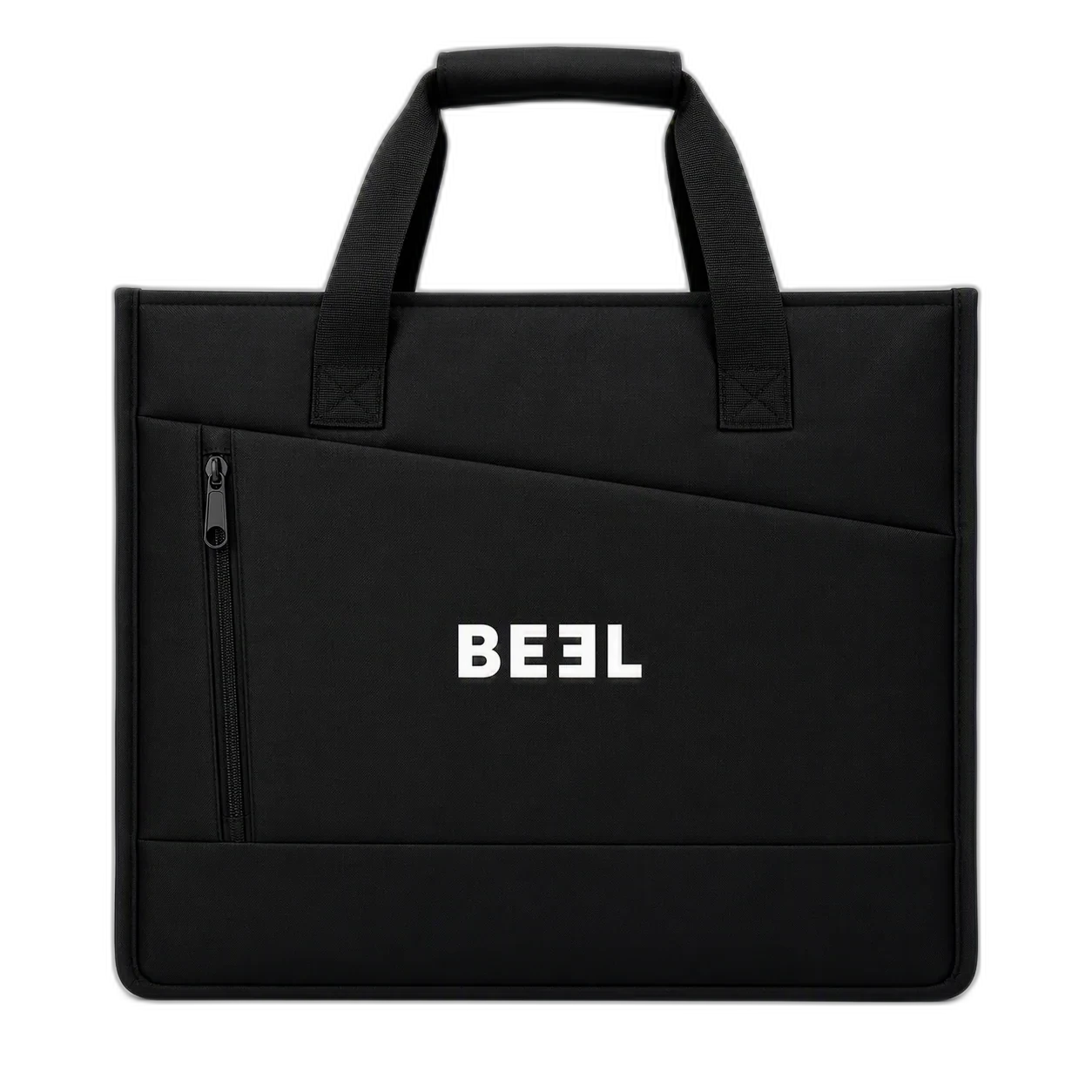
Buying in bulk? See our delegate bags, made at our Govandi, Mumbai factory with pan-India delivery.
Corporate events, trade shows, exhibitions, and annual conferences are key opportunities to build brand visibility. The delegate bag is the first item participants receive, and it remains with them throughout the event and long after. Selecting the right event tote bag requires balancing budget, durability, style, and branding space. In this comprehensive guide, we analyze the best corporate event bags, explain what specifications to look for, and help you select the perfect delegate tote.
Why the Event Bag Matters for Your Brand
A corporate event bag holds brochures, notebooks, water bottles, and promotional giveaways. If the bag is flimsy, uncomfortable to carry, or poorly printed, it reflects negatively on the organisers. Conversely, a high quality event bag acts as a mobile banner, promoting your brand across the exhibition hall, hotels, airports, and corporate offices.
At BEEL Bags, we produce custom event bags for trade shows and conferences across India. Visit our corporate gifting section to view the models we offer.
Top Event Bag Categories
1. Non Woven Loop Handle Bags
This is the most popular choice for large scale conferences and trade shows. They are lightweight, budget friendly, and offer a large printing surface. With a load capacity of 3 to 6 kg, they easily carry event literature, brochures, and light corporate gifts. Learn more about our non woven bags collection.
2. Canvas Delegate Totes
For premium seminars and corporate gatherings, canvas totes are preferred. Made from thick cotton fabric, they are durable and look highly professional. They can be reused as office bags, shopping bags, or travel totes, giving your brand years of visibility.
3. Drawstring Backpacks
Drawstring bags in polyester or cotton are highly popular for youth events, sports meets, tech conferences, and wellness seminars. They are easy to carry on the back, leaving the delegate's hands free. Check out our school and utility bags for drawstring styles.
4. Document Sleeves and Folders
For formal corporate meetings, annual general meetings (AGMs), and board meets, a document sleeve or file bag is more appropriate than a tote. These bags keep papers flat and secure. Browse our file bags collection to view executive document carriers.
Comparing Event Bag Materials and Costs
To help event planners select the right option for their attendee count and budget, we have compared the core options below:
| Bag Type | Material | Durability | Average Cost (Bulk) | Best Used For |
|---|---|---|---|---|
| Event Tote | Non woven (80 GSM) | Medium | Rs. 20 to Rs. 40 | Mass conferences, trade exhibitions |
| Premium Tote | Canvas (10oz cotton) | High | Rs. 90 to Rs. 210 | Executive seminars, paid conferences |
| Sports Bag | Polyester (210D / 420D) | High | Rs. 55 to Rs. 130 | Tech summits, youth forums, sports events |
| Document Bag | Laminated Non woven | Medium | Rs. 25 to Rs. 55 | AGMs, board meetings, legal seminars |
Key Specifications to Consider When Ordering Event Bags
Avoid buying generic bags based on price alone. Consider these design factors:
- Size and Gusset: Ensure the bag is wide enough to hold A4 sized documents and notebooks flat. A bottom gusset (approx 2 to 4 inches) is recommended so the bag can expand to hold water bottles and lunch boxes.
- Handle Length: Handles should be long enough (approx 20 to 22 inches total loop) so delegates can carry the bag comfortably on their shoulders. Webbing handles are more comfortable than heat sealed handles for heavier loads.
- Closure Option: While open top bags are common, adding a zipper or velcro tab keeps contents secure and prevents items from falling out in crowded spaces.
- Branding Design: Keep your branding clean. A large, well placed logo on one side is more effective than cluttering the bag with sponsor logos. For multi sponsor events, place the main organiser logo on the front and sponsor logos on the back.
Why Choose BEEL Bags for Your Event Orders
BEEL Bags is a trusted manufacturing partner for event organisers in Mumbai, Pune, Bangalore, and Delhi. We provide:
- Fast turnaround times to meet tight event deadlines
- Direct factory prices to help you stay within budget
- Reliable quality control to ensure handles do not fail during your event
- Expert custom printing for sharp logo reproduction
- Bulk packing and organized delivery direct to the event venue
We encourage you to visit our contact page to discuss your upcoming event timeline and request sample bags.
Frequently Asked Questions
What is the minimum order quantity for event delegate bags?
Our minimum order quantity for custom printed event bags is 500 units for non woven designs and 100 units for canvas or polyester bags.
Can you deliver directly to our exhibition venue or hotel?
Yes. We coordinate with your logistics team to deliver the boxes directly to the event venue, hotel, or exhibition hall in major cities.
Do you offer express production for last minute events?
Yes. If you have a last minute requirement, contact our team immediately. We maintain stock fabrics to execute rush orders in 5 to 7 days depending on quantity.
Logistics and Shipping Guide for Large-Scale Events
Managing the shipping of thousands of event bags requires coordination with event venues and hotels. Keep these tips in mind:
- Coordinate with Venue Managers: Verify where the boxes can be stored before the event. Exhibition centers often have specific loading dock times.
- Label Boxes Clearly: Mark each box with the quantity, bag style, and event name to prevent losses in crowded storage rooms.
- Inspect Shipments Upon Arrival: Check the bags for any shipping damage before distributing them to registration desks.
Choosing Between Webbing Handles and Self-Fabric Handles
The handle material determines the bag's comfort and cost. Webbing handles (made from thick woven polyester or cotton) are comfortable on the shoulders and are recommended for carrying heavier items like brochures and water bottles. Self-fabric handles (made from the same material as the bag) are more cost-effective and are suitable for lightweight event handouts.
Case Study: Event Bags for a Green Energy Summit in Mumbai
An international energy summit held at a major hotel in Mumbai needed 3,000 delegate bags. The organizers wanted the bags to reflect the summit's green theme.
We manufactured unbleached cotton canvas tote bags with soft cotton webbing handles and a clean print layout. The bags were delivered directly to the registration desk. The delegates appreciated the premium quality, and the organizers achieved their goal of hosting a plastic-free event.
Practical Quality Inspection Procedures for Bulk Sourcing
Ensuring the quality of a bulk bag shipment requires a systematic inspection process. Whether you are buying canvas totes, polyester backpacks, or non-woven shopping carriers, use these standard quality tests before approving dispatch from the factory:
1. Seam Strength and Tensile Test
The durability of a bag depends on its seam construction. Choose random samples from the production line and load them with weight exceeding the rated carrying capacity by 50 percent (for example, load a 10 kg rated backpack with 15 kg of weight). Lift the bag by the straps and handles, shake it gently, and inspect the stitch points for any loose threads or fabric stretching.
2. Stitch Count Verification
Standard retail and corporate bags should have a stitch density of 6 to 8 stitches per inch. Lower stitch density (fewer than 4 stitches per inch) reduces the bag's tear resistance, causing seams to split open under load. Check that nylon binding tapes are stitched cleanly along all raw interior edges to prevent fraying.
3. Colorfastness and Rub Test
Promotional bags are often exposed to sweat, rain, and washing. Rub the printed logo area with a wet white cloth using moderate pressure. The ink should not transfer to the cloth. Check that the fabric color does not bleed when exposed to water, which is particularly important for dyed cotton, canvas, and jute bags.
4. Zipper and Puller Endurance Check
Open and close all zippers on the sample bag at least 20 times. The runner should move smoothly along the track without catching the inner lining fabric. The zipper teeth should stay aligned and not split open when pressure is applied to the side panels.
Supply Chain Optimization and Regional Logistics in India
India's vast geography requires choosing the right logistics mode to balance transport costs and delivery timelines. When shipping bulk bags from a manufacturing hub like Mumbai, consider these primary options:
1. Road Transport (LTL and FTL Cargo)
Road transport is the standard choice for domestic deliveries within India. For shipments under 2,000 kg, LTL (Less-than-Truckload) services through established networks (like TCI, V-Trans, or Gati) offer a balance of cost and speed. For larger orders, FTL (Full-Truckload) transport provides direct, faster delivery to your warehouse. Transit times from Mumbai to Pune are 1 day; to Ahmedabad or Bangalore, 2 to 3 days; and to Delhi or Chennai, 4 to 6 days.
2. Rail Cargo Networks
Rail transport is highly cost-effective for long-distance domestic shipments exceeding 1,000 km (for example, Mumbai to Kolkata or Guwahati). It is more eco-friendly than road transport and is less affected by weather conditions. However, it requires local transport to and from the railway stations, which must be planned in advance.
3. JNPT Port Export Clearance
For international export orders, Mumbai's Jawaharlal Nehru Port Trust (JNPT) is the primary gateway. Sourcing from a Mumbai-based factory simplifies JNPT shipping, as container loading, custom documentation, and port entry are handled locally. This reduces transit delays compared to inland factories that must transport cargo to sea ports via rail or road.
Cost Breakdown and Price Negotiation Strategies for Wholesale Buyers
Understanding how manufacturers structure their quotes helps buyers negotiate fair pricing and optimize order specifications. Bulk bag pricing is determined by four main factors:
1. Fabric and Raw Material Cost
This is the largest component, accounting for 50 to 70 percent of the unit price. Material cost is calculated by weight (GSM for non-woven, ounces for canvas, and fabric width for polyester). Sourcing during off-peak textile seasons or choosing standard stock colors helps lower raw material costs.
2. Stitching and Labor Charges
This covers the time required to cut, sew, and assemble the bag. Bags with complex pocket layouts, inner linings, padded compartments, and zippers require more stitching time and have higher labor charges. Simplifying the design reduces the cost per unit.
3. Printing and Setup Fees
Screen printing requires creating a stencil screen for each color in your logo. Setup fees are fixed, meaning they are spread thin over large quantities. Adding multiple print colors increases the setup and printing charge. Focus on single-color or dual-color logos to minimize printing costs.
4. Packaging and Freight Charges
Standard packaging involves packing bags in bulk cartons. Requesting individual plastic wraps or custom tags adds to the packaging labor and material cost. Shipping costs are calculated by volume and weight, so compressing and folding bags tightly before boxing lowers freight fees.