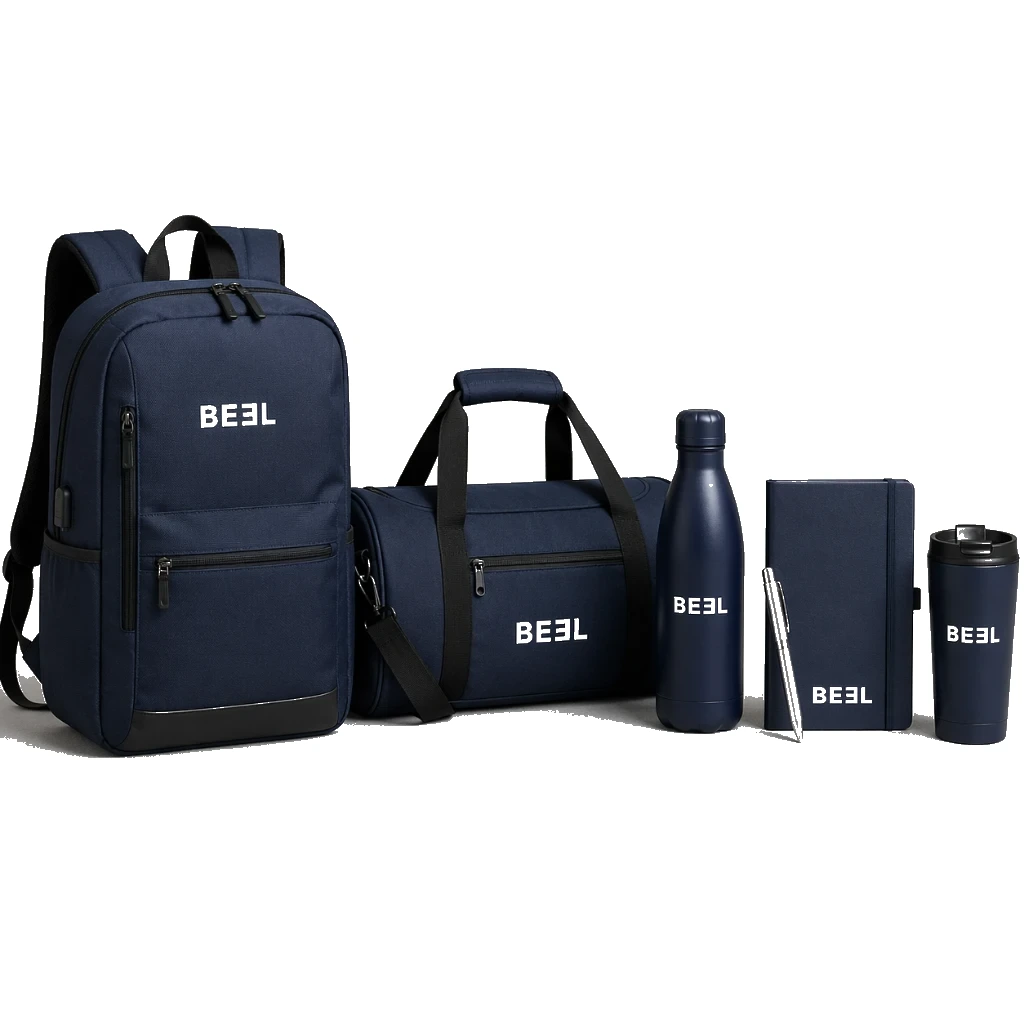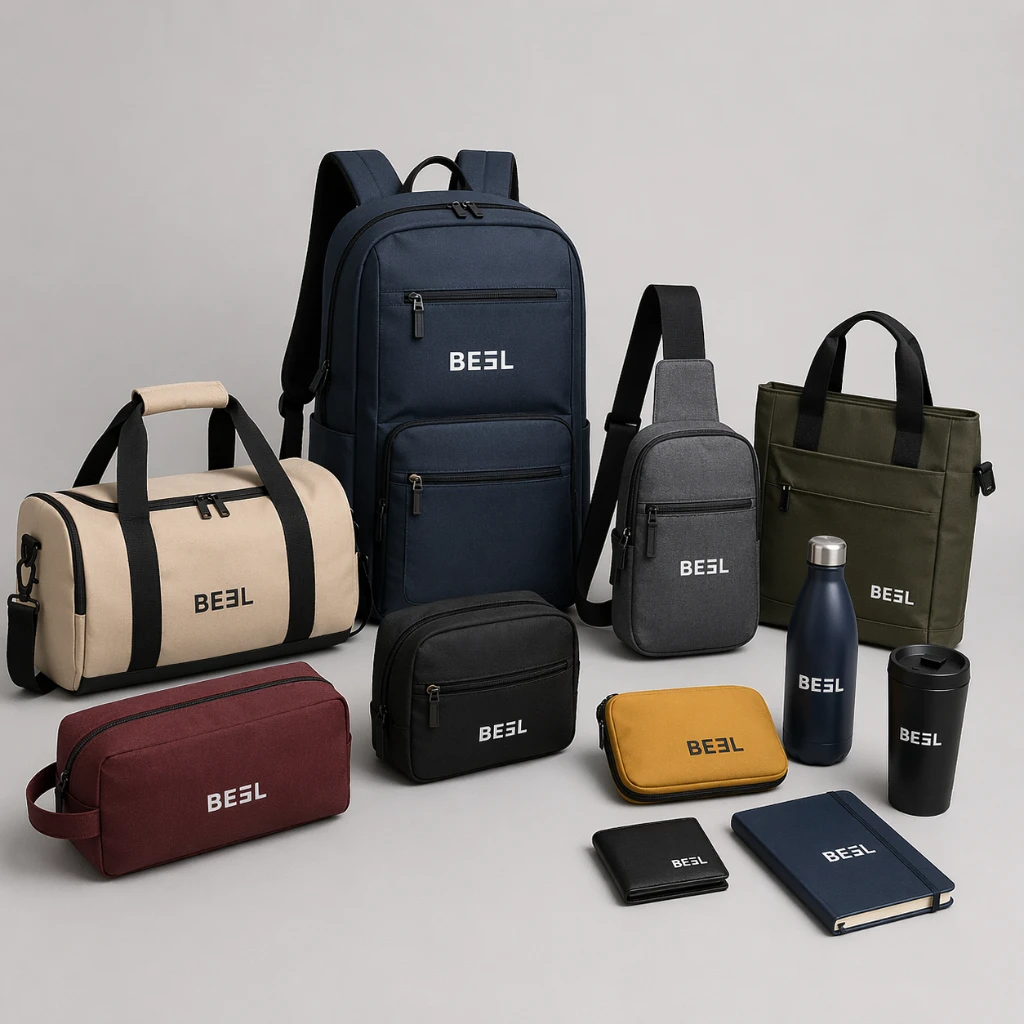
Document management is a daily reality for corporate offices, educational institutions, financial firms, and government bodies across India. While digital systems are popular, physical documents like certificates, contracts, project designs, and invoices still require secure, organised storage. Custom file bags have emerged as a highly effective corporate branding tool in India. In this detailed guide, we analyze why Indian businesses prefer branded file folders and document bags over plain options, and how they contribute to marketing success.
The Role of Custom File Bags in Modern Corporate Branding
A custom document bag or file folder is not just an administrative item. It acts as a professional statement. When your sales executives, legal representatives, or training officers meet clients, the items they carry represent your brand values. A cheap plastic folder suggests a lack of attention to detail. In contrast, a high quality, custom branded document bag shows professionalism, reliability, and care.
At BEEL Bags, we have worked with corporate clients in Mumbai, Delhi, Bangalore, and Pune to design custom document storage solutions that balance utility with brand identity. Check out our dedicated file bags collection to see the various styles we manufacture.
Key Benefits of Branded Document Bags for Indian Businesses
1. High Frequency Brand Impressions
Branded file bags are used daily. They travel between offices, conference halls, client premises, and homes. This frequent usage ensures your company logo, contact numbers, and website URL are constantly visible to a professional audience. Unlike flyers or banners that are discarded, a durable file bag remains in circulation for months or years, delivering thousands of free impressions.
2. Protection and Organisation of Crucial Papers
High value documents such as property deeds, educational certificates, and business contracts need physical protection. High quality document bags protect papers from moisture, dust, folding, and accidental tears. Many of our premium file bags feature water resistant linings and secure zipper closures to ensure total protection.
3. Cost Effective Professional Corporate Identity
Building a professional corporate identity can be expensive. Custom stationery, uniforms, and office branding require ongoing investment. Branded file bags offer a low cost entry point. With a small unit price, you can equip your entire staff, creating a consistent look during meetings, conferences, and public events.
4. Durable Alternative to Disliked Plastic Folders
Many parts of India have banned single use plastic, and consumers are increasingly rejecting plastic folders. Non woven and polyester file bags comply with all environmental regulations while offering far greater durability than plastic envelopes that tear quickly.
Comparison of Custom File Bag Materials
Choosing the right material determines the durability, appearance, and cost of your file bags. Here is a comparison of the most common materials used in Indian corporate offices:
| Material | Durability | Water Resistance | Branding Options | Best Used For |
|---|---|---|---|---|
| Non Woven PP (80 to 120 GSM) | Medium | Splash resistant | Screen printing (1 to 4 colours) | Seminars, training kits, mass promotions |
| Polyester (600D / 1200D) | High | Excellent (with lining) | Embroidery, digital printing | Employee joining kits, sales team kits |
| Canvas / Cotton duck | High | None (unless treated) | Screen print, embroidery | Eco friendly initiatives, creative agencies |
| Artificial Leather (PU) | High | Good | Embossing, debossing | Executive gifts, board meetings |
Popular File Bag Styles and Designs
Depending on your industry and usage, you can select from several styles:
1. Zipper Document Envelopes
Flat bags with a zipper at the top or around three sides. Ideal for carrying certificates, agreements, and standard A4 or legal size folders. Very popular in training institutes, banks, and schools. Browse our utility bags for similar options.
2. Handle Document Cases
These resemble thin briefcases and include comfortable webbing handles. They often feature extra compartments for pens, business cards, and calculator accessories. Perfect for sales representatives and field executives.
3. Expandable Accordion Folders
Designed for departments that handle multiple document categories. They contain internal dividers to keep tax papers, client files, and invoices separated. These are standard in accounts and legal firms.
4. Eco Friendly Jute Document Bags
Made from laminated natural jute fibres, these offer a premium natural look. Excellent for environment conferences, government seminars, and corporate social responsibility (CSR) campaigns.
How to Plan Your Custom File Bag Order
To get the best results from your manufacturing partner, follow these planning guidelines:
- Determine the size: Standard sizes are A4 (approx 10x13 inches) and Legal (approx 11x15 inches). Make sure to choose a size that accommodates folders and bound project reports comfortably.
- Select your branding placement: The centre front is the most visible area. Avoid printing text too close to seams or zipper tracks.
- Provide clean artwork files: Share vector files (AI, PDF, EPS) to ensure printing screens are created with sharp edges.
- Confirm the closing mechanism: Choose high quality runners and zippers. A broken zipper makes the entire bag useless. We use premium runner units on all our file bags to prevent this.
Why Choose BEEL Bags as Your File Bag Manufacturer
BEEL Bags has been a leading manufacturer of document storage solutions in Mumbai since 1996. We offer:
- In house fabric cutting, stitching, and screen printing for quick delivery
- Rigorous quality checks on stitching strength and zipper performance
- Custom sizes and pocket designs tailored to your specific corporate needs
- Direct factory pricing with no middleman markup
- Delivery services across India (Mumbai, Pune, Bangalore, Delhi, Hyderabad)
We invite you to view our full document bags section and connect with our design team to create a sample for your company.
Frequently Asked Questions
What is the minimum order quantity for custom branded file bags?
At BEEL Bags, the minimum order quantity for custom branded file bags is 100 units for polyester and nylon designs, and 500 units for non woven variants.
Can you match our specific corporate Pantone colours?
Yes. For screen printing, we mix inks to match your Pantone color references. For fabric matching, we offer a range of stock colours that cover most corporate palettes.
How long does delivery take?
Production typically takes 10 to 15 working days from sample approval and advance payment, depending on the order size and design complexity.
Request a Custom File Bag Quote
Durable Closing Mechanisms: Zippers, Runners, and Velcro
The closing mechanism determines how long a document bag remains functional. Here are the common options:
Nylon Coil Zippers
Nylon zippers are flexible, strong, and highly resistant to dust and moisture. They are recommended for executive document sleeves and daily-use folders. Ensure the factory uses size 5 or size 8 zippers for smooth runner movement.
Velcro Tabs
Velcro is cost-effective and allows for quick opening and closing. It is suitable for training folders and mass event handouts, but can collect lint over time, reducing its grip.
How to Customise Folder Dimensions for Bound Reports
Standard document bags are designed for flat A4 papers. If your team carries thick bound reports, catalogues, or folders, request a base gusset of at least 1.5 to 2.5 inches. This allows the bag to expand without straining the seams or zippers.
Case Study: Corporate Documents for a Legal Firm in Mumbai
A law firm with offices in Fort, Mumbai, needed secure file bags for carrying confidential legal documents to courts. They required durable, water-resistant bags with internal dividers.
We manufactured executive document sleeves in 1200D polyester with secure zipper closures and padded linings. The firm's logo was embroidered on the front. The bags provided excellent protection for their court files, presenting a professional image during client meetings.
Practical Quality Inspection Procedures for Bulk Sourcing
Ensuring the quality of a bulk bag shipment requires a systematic inspection process. Whether you are buying canvas totes, polyester backpacks, or non-woven shopping carriers, use these standard quality tests before approving dispatch from the factory:
1. Seam Strength and Tensile Test
The durability of a bag depends on its seam construction. Choose random samples from the production line and load them with weight exceeding the rated carrying capacity by 50 percent (for example, load a 10 kg rated backpack with 15 kg of weight). Lift the bag by the straps and handles, shake it gently, and inspect the stitch points for any loose threads or fabric stretching.
2. Stitch Count Verification
Standard retail and corporate bags should have a stitch density of 6 to 8 stitches per inch. Lower stitch density (fewer than 4 stitches per inch) reduces the bag's tear resistance, causing seams to split open under load. Check that nylon binding tapes are stitched cleanly along all raw interior edges to prevent fraying.
3. Colorfastness and Rub Test
Promotional bags are often exposed to sweat, rain, and washing. Rub the printed logo area with a wet white cloth using moderate pressure. The ink should not transfer to the cloth. Check that the fabric color does not bleed when exposed to water, which is particularly important for dyed cotton, canvas, and jute bags.
4. Zipper and Puller Endurance Check
Open and close all zippers on the sample bag at least 20 times. The runner should move smoothly along the track without catching the inner lining fabric. The zipper teeth should stay aligned and not split open when pressure is applied to the side panels.
Supply Chain Optimization and Regional Logistics in India
India's vast geography requires choosing the right logistics mode to balance transport costs and delivery timelines. When shipping bulk bags from a manufacturing hub like Mumbai, consider these primary options:
1. Road Transport (LTL and FTL Cargo)
Road transport is the standard choice for domestic deliveries within India. For shipments under 2,000 kg, LTL (Less-than-Truckload) services through established networks (like TCI, V-Trans, or Gati) offer a balance of cost and speed. For larger orders, FTL (Full-Truckload) transport provides direct, faster delivery to your warehouse. Transit times from Mumbai to Pune are 1 day; to Ahmedabad or Bangalore, 2 to 3 days; and to Delhi or Chennai, 4 to 6 days.
2. Rail Cargo Networks
Rail transport is highly cost-effective for long-distance domestic shipments exceeding 1,000 km (for example, Mumbai to Kolkata or Guwahati). It is more eco-friendly than road transport and is less affected by weather conditions. However, it requires local transport to and from the railway stations, which must be planned in advance.
3. JNPT Port Export Clearance
For international export orders, Mumbai's Jawaharlal Nehru Port Trust (JNPT) is the primary gateway. Sourcing from a Mumbai-based factory simplifies JNPT shipping, as container loading, custom documentation, and port entry are handled locally. This reduces transit delays compared to inland factories that must transport cargo to sea ports via rail or road.
Cost Breakdown and Price Negotiation Strategies for Wholesale Buyers
Understanding how manufacturers structure their quotes helps buyers negotiate fair pricing and optimize order specifications. Bulk bag pricing is determined by four main factors:
1. Fabric and Raw Material Cost
This is the largest component, accounting for 50 to 70 percent of the unit price. Material cost is calculated by weight (GSM for non-woven, ounces for canvas, and fabric width for polyester). Sourcing during off-peak textile seasons or choosing standard stock colors helps lower raw material costs.
2. Stitching and Labor Charges
This covers the time required to cut, sew, and assemble the bag. Bags with complex pocket layouts, inner linings, padded compartments, and zippers require more stitching time and have higher labor charges. Simplifying the design reduces the cost per unit.
3. Printing and Setup Fees
Screen printing requires creating a stencil screen for each color in your logo. Setup fees are fixed, meaning they are spread thin over large quantities. Adding multiple print colors increases the setup and printing charge. Focus on single-color or dual-color logos to minimize printing costs.
4. Packaging and Freight Charges
Standard packaging involves packing bags in bulk cartons. Requesting individual plastic wraps or custom tags adds to the packaging labor and material cost. Shipping costs are calculated by volume and weight, so compressing and folding bags tightly before boxing lowers freight fees.