Mumbai, the commercial capital of India, is the country's primary hub for bag manufacturing and sourcing. Whether you are searching for corporate laptop bags, retail cotton shopping bags, travel duffels, or eco-friendly non-woven totes, sourcing directly from a Mumbai factory offers key advantages in pricing, material options, and logistics. This comprehensive guide covers the advantages of sourcing from Mumbai, key manufacturing hubs in the city, and how to select a reliable manufacturing partner for your business.
The Advantages of Sourcing Bags from Mumbai
Mumbai's industrial ecosystem provides distinct benefits for corporate procurement managers, retail buyers, and international importers:
- Direct Access to Textile Hubs: Mumbai is situated close to major weaving and fabric-dyeing hubs like Surat, Ahmedabad, Bhiwandi, and Ichalkaranji. This proximity allows bag factories to source polyester, nylon, canvas, cotton, and non-woven fabrics quickly and at lower raw material costs.
- Skilled Stitching and Printing Labor: The city has a large, organized pool of experienced stitching and screen printing craftsmen, ensuring consistent product finishing across large production runs.
- Excellent Domestic and Export Logistics: With major sea ports like JNPT (Nhava Sheva), extensive railway networks, and a busy international airport, Mumbai factories can ship goods efficiently to any part of India and international markets.
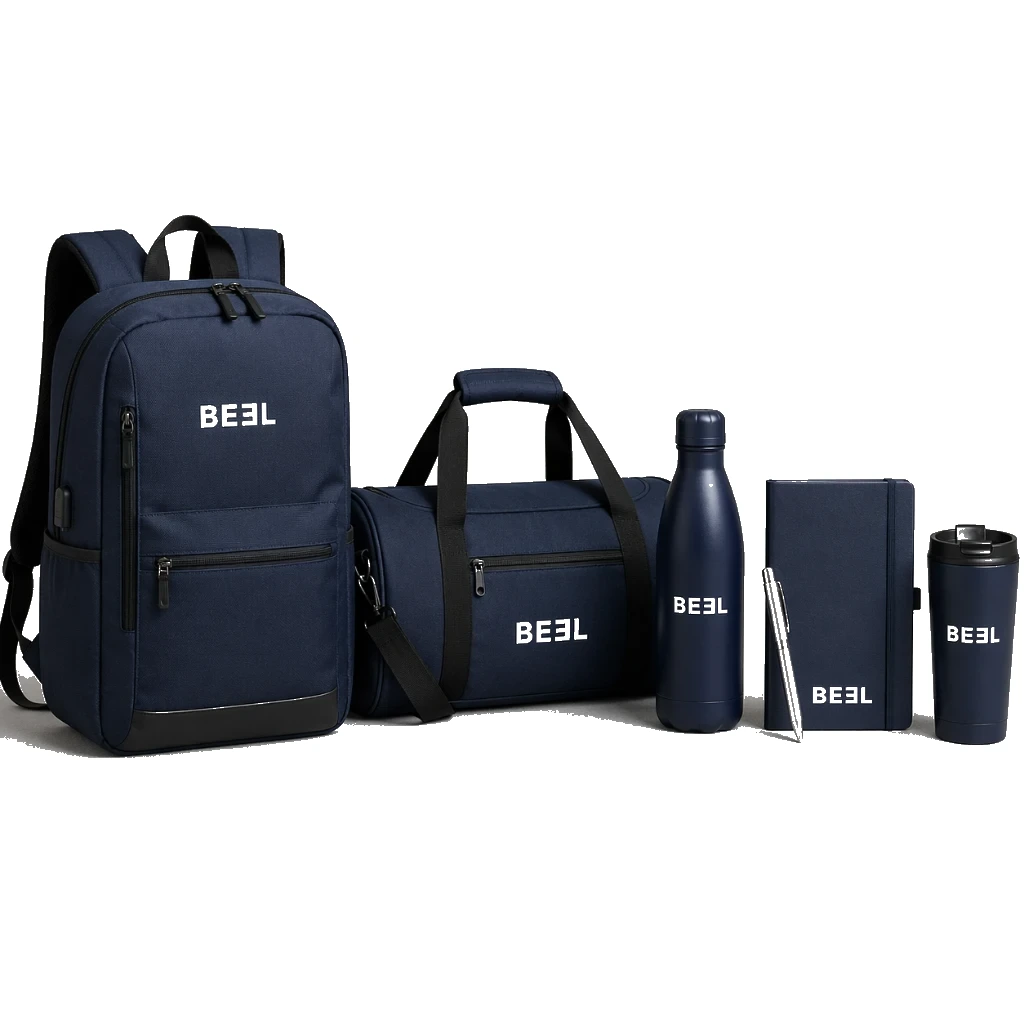
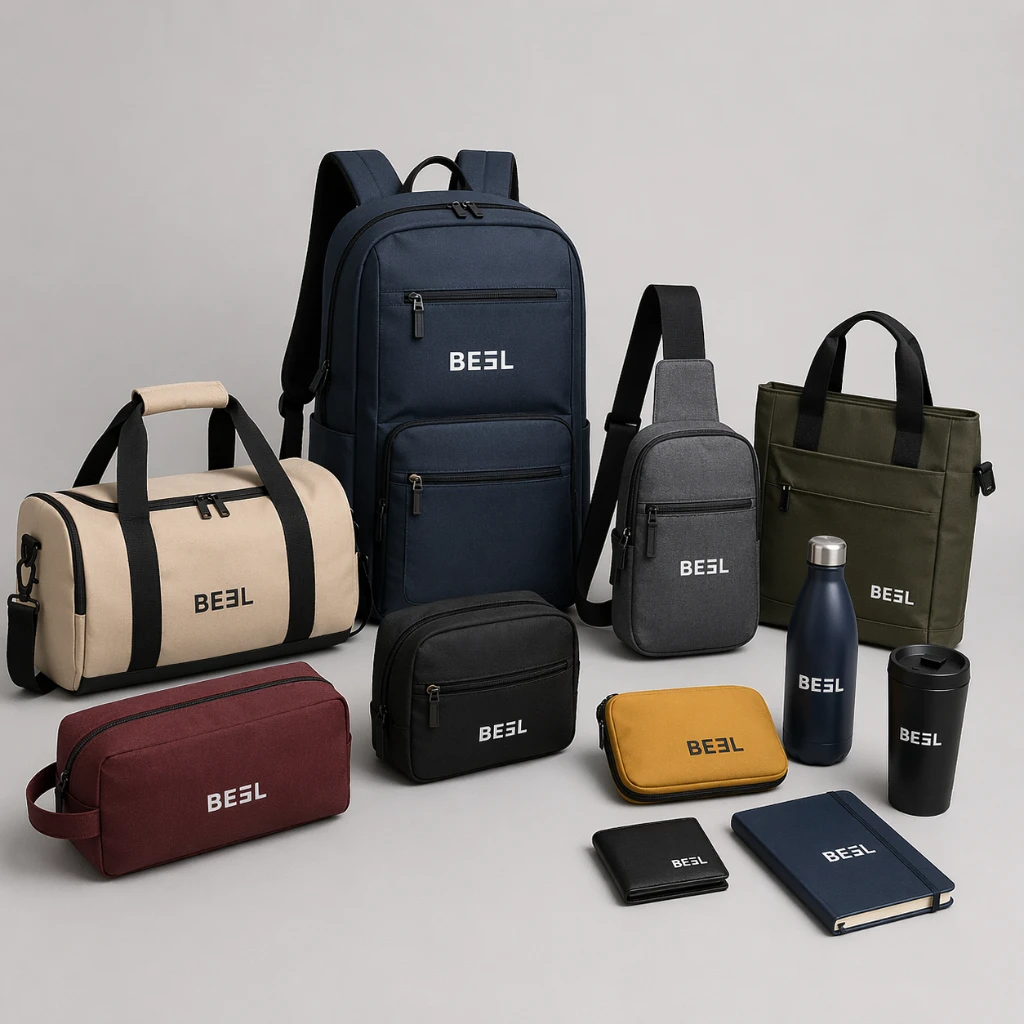
At BEEL Bags, we have manufactured and supplied custom bags from our Mumbai factory since 1996. Check out our non-woven collection and our laptop bags collection to see what we offer.
Key Bag Categories Manufactured in Mumbai
1. Corporate Bags and Backpacks
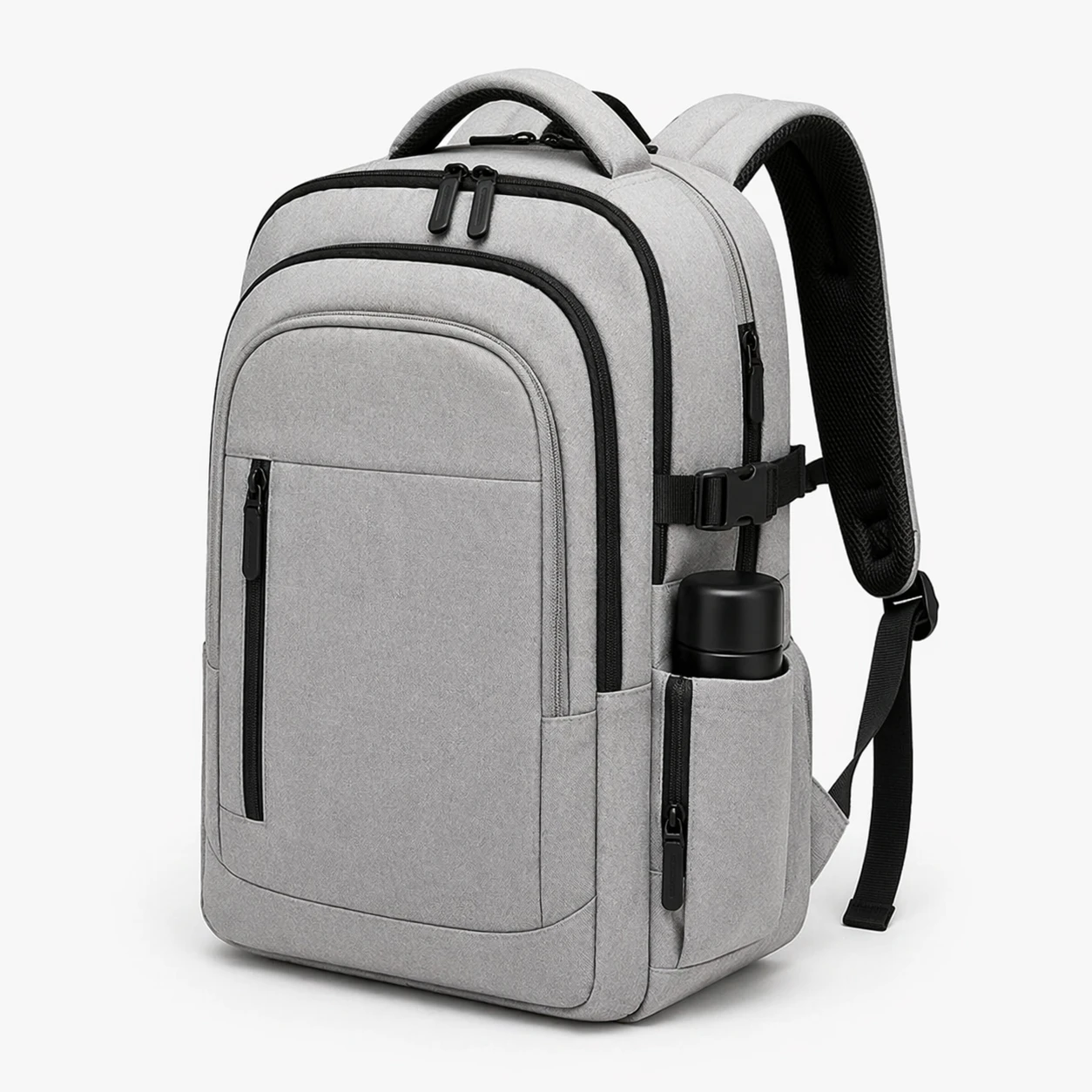
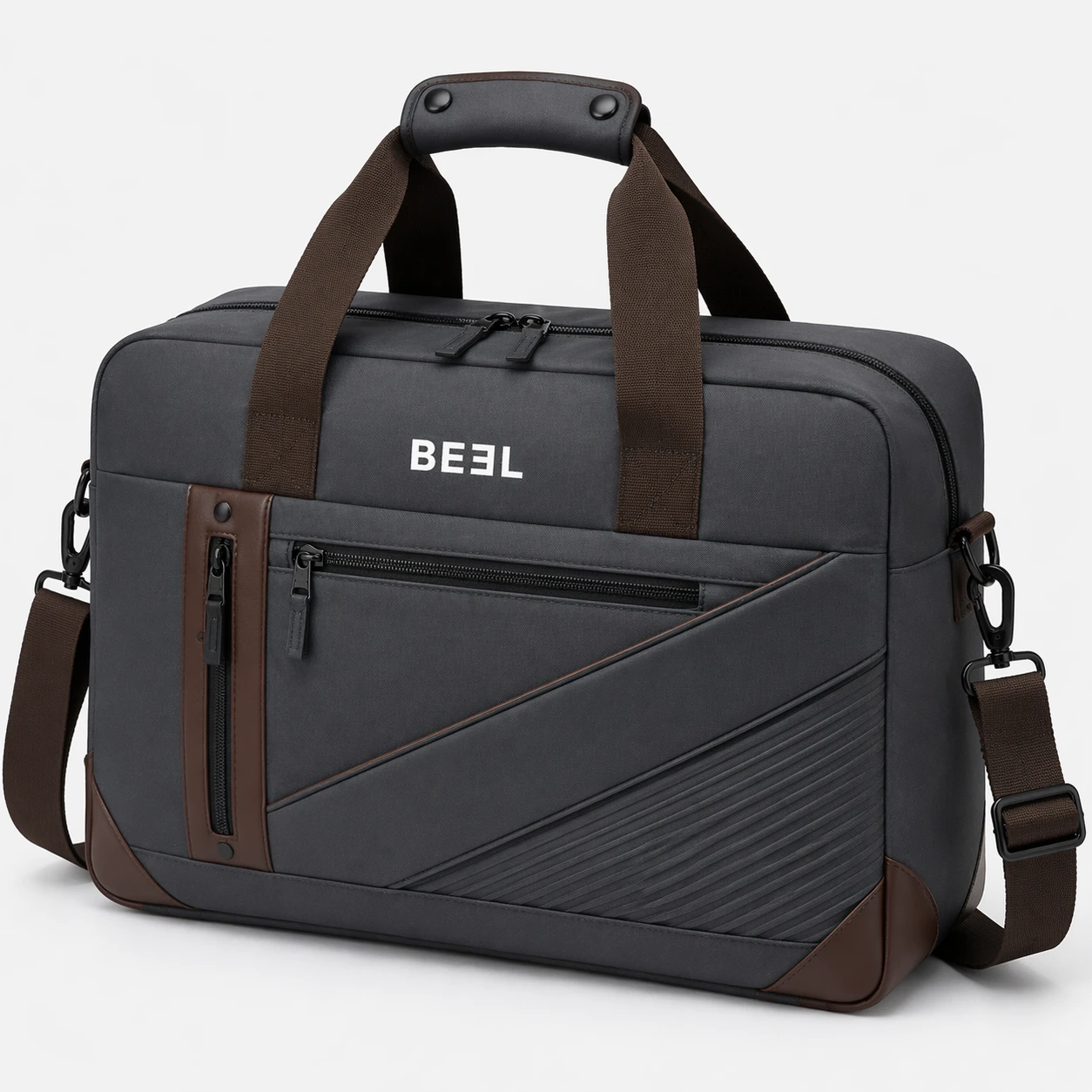
High-quality office backpacks, messenger bags, and executive document bags made from durable polyester (600D, 1200D) or nylon. They feature padded laptop compartments, internal organizers, and clean branding. Browse our laptop bags collection.
2. Eco-Friendly Retail Shopping Bags
Canvas, cotton, and jute tote bags used by retail chains, apparel boutiques, and organic food stores. These bags replace single-use plastic and offer excellent reuse value. See our retail shopping bags collection.
3. File and Document Folders
Zipper document sleeves, folder cases, and seminar bags used by training institutes, financial firms, and corporate offices. Browse our file bags collection.
4. Custom Travel and Pilgrimage Kits
Duffel bags, sling bags, and shoe pouches used by tour operators, sports clubs, and corporate travel teams. Explore our travel bags range.
Comparing Sourcing Locations in Mumbai
To help you plan your sourcing visit, we have compared the primary bag manufacturing and trading hubs in Mumbai:
| Location | Primary Hub Type | Key Sourcing Advantage | Best Suited For |
|---|---|---|---|
| Jogeshwari / Andheri | Manufacturing Units | Direct factory prices, custom design flexibility | Corporate orders, custom branding, exports |
| Kalbadevi / Bhuleshwar | Trading Markets | Immediate stock of plain, generic bags | Very small quantities with no custom print |
| Dharavi | Micro Workshops | Low-cost entry-level stitching | Simple designs with flexible quality needs |
How to Select a Reliable Bag Manufacturer in Mumbai
To ensure a successful partnership, verify these details before placing a bulk order:
- Verify Manufacturing Capability: Ask to see the production line, cutting tables, and printing department. Ensure they are the direct manufacturer, not a middleman trader.
- Review Sample Quality: Always request a physical sample. Check the stitching, seam strength, zipper quality, and printing sharpness before committing to bulk.
- Confirm Lead Times: Ensure the manufacturer has the capacity to meet your delivery deadlines, particularly during peak seasons like festive times.
Why Choose BEEL Bags as Your Mumbai Sourcing Partner
BEEL Bags has operated as a direct factory manufacturer since 1996 in Jogeshwari, Mumbai. We offer:
- In-house production to monitor waste, quality, and timelines
- Wide material range (polyester, canvas, jute, non-woven)
- Precision screen printing and embroidery using premium inks
- Direct factory rates with transparent volume discounts
- Export experience shipping to the UK, USA, UAE, and Australia
Visit our contact page to discuss your sourcing needs and request custom quotes.
Frequently Asked Questions
What is the minimum order quantity at BEEL Bags?
Our minimum order quantity is 100 units for polyester bags, backpacks, and document folders, and 500 units for non-woven and retail shopping bags.
Can we visit your factory in Jogeshwari?
Yes. We welcome clients to visit our factory by appointment to discuss designs and inspect our production standards.
Do you handle international shipping?
Yes. We export nationwide and internationally. We prepare all standard commercial invoices, packing lists, and export certificates.
Comprehensive Sourcing and Factory Audit Checklist
When selecting a bag manufacturer in Mumbai, conducting a factory audit is highly recommended to verify their production capacity and quality standards. Use this checklist during your evaluation:
1. Machinery and Technology Setup
Check if the factory uses modern heavy-duty stitching machines, automatic fabric cutters, and industrial embroidery setups. Modern machinery ensures uniform stitching and minimizes human error across large batches.
2. Quality Control Protocols
Verify if the factory has a dedicated quality control team that inspects raw materials before cutting and reviews finished products before packaging. Ask if they perform tensile tests on handles and stress tests on zippers.
3. Social Compliance and Labor Standards
Ensure the factory complies with local labor laws, pays fair wages, and maintains a safe working environment. This is particularly important for international buyers who must adhere to strict ESG regulations.
4. Financial Stability and Sourcing Channels
A reliable manufacturer should have strong relationships with fabric suppliers to secure materials at stable prices during inflation. This prevents unexpected price hikes after you place your order.
The Lifecycle of a Custom Bag: From Fiber to Finished Product
Understanding the manufacturing stages helps buyers monitor progress and manage lead times:
- Yarn Spinning and Weaving: Polyester or nylon fibers are spun and woven into fabric rolls at textile mills in Surat or Ahmedabad.
- Fabric Coating and Lamination: The fabric rolls are treated with PU or PVC backings to provide water resistance and structural stiffness.
- Die-Cutting and Panel Preparation: The fabric rolls are transported to the Mumbai factory, where they are cut into specific bag panels using metal dies and cutting machines.
- Branding and Printing: Company logos are screen-printed or embroidered onto the prepared front panels before they are stitched together.
- Assembly Stitching: Tailors stitch the panels, zippers, linings, and foam padding together on the assembly line.
- Finishing and Thread Trimming: Loose threads are trimmed, zippers are tested, and the bags are cleaned.
- Final Quality Audit: Random samples are checked for dimension accuracy and seam strength.
- Carton Packing and Shipping: The bags are packed into corrugated boxes and dispatched to the client.
Case Study: Nationwide Sourcing for a Retail Chain
A leading retail chain with 120 stores across India needed to transition from plastic bags to reusable non-woven shopping bags. They required 500,000 bags per month distributed across multiple regional warehouses.
We designed a fully customized non-woven box bag with reinforced loop handles and screen-printed branding. By sourcing raw materials directly from Bhiwandi and utilizing high-speed manufacturing lines at our Mumbai factory, we maintained stable pricing and met the tight monthly delivery deadlines.
This transition helped the client comply with all regional plastic bans, reduced their packaging costs by 15 percent, and generated millions of brand impressions as customers reused the bags for daily shopping.
Comparative Analysis of Sourcing Locations in India
To help procurement managers make informed decisions, we have compared the leading bag sourcing hubs in India:
Mumbai Sourcing Hub
Proximity to Gujarat textile markets, JNPT port, and a large pool of skilled labor makes Mumbai the ideal choice for high-volume corporate and export orders.
Surat Textile Hub
Surat is excellent for sourcing raw fabrics, but has fewer specialized bag stitching units. Most Surat factories focus on fabric weaving rather than finished bag production.
Bengaluru Manufacturing Hub
Bengaluru has modern garment factories, but operating costs are higher, resulting in slightly higher unit prices compared to Mumbai.
Practical Quality Inspection Procedures for Bulk Sourcing
Ensuring the quality of a bulk bag shipment requires a systematic inspection process. Whether you are buying canvas totes, polyester backpacks, or non-woven shopping carriers, use these standard quality tests before approving dispatch from the factory:
1. Seam Strength and Tensile Test
The durability of a bag depends on its seam construction. Choose random samples from the production line and load them with weight exceeding the rated carrying capacity by 50 percent (for example, load a 10 kg rated backpack with 15 kg of weight). Lift the bag by the straps and handles, shake it gently, and inspect the stitch points for any loose threads or fabric stretching.
2. Stitch Count Verification
Standard retail and corporate bags should have a stitch density of 6 to 8 stitches per inch. Lower stitch density (fewer than 4 stitches per inch) reduces the bag's tear resistance, causing seams to split open under load. Check that nylon binding tapes are stitched cleanly along all raw interior edges to prevent fraying.
3. Colorfastness and Rub Test
Promotional bags are often exposed to sweat, rain, and washing. Rub the printed logo area with a wet white cloth using moderate pressure. The ink should not transfer to the cloth. Check that the fabric color does not bleed when exposed to water, which is particularly important for dyed cotton, canvas, and jute bags.
4. Zipper and Puller Endurance Check
Open and close all zippers on the sample bag at least 20 times. The runner should move smoothly along the track without catching the inner lining fabric. The zipper teeth should stay aligned and not split open when pressure is applied to the side panels.
Supply Chain Optimization and Regional Logistics in India
India's vast geography requires choosing the right logistics mode to balance transport costs and delivery timelines. When shipping bulk bags from a manufacturing hub like Mumbai, consider these primary options:
1. Road Transport (LTL and FTL Cargo)
Road transport is the standard choice for domestic deliveries within India. For shipments under 2,000 kg, LTL (Less-than-Truckload) services through established networks (like TCI, V-Trans, or Gati) offer a balance of cost and speed. For larger orders, FTL (Full-Truckload) transport provides direct, faster delivery to your warehouse. Transit times from Mumbai to Pune are 1 day; to Ahmedabad or Bangalore, 2 to 3 days; and to Delhi or Chennai, 4 to 6 days.
2. Rail Cargo Networks
Rail transport is highly cost-effective for long-distance domestic shipments exceeding 1,000 km (for example, Mumbai to Kolkata or Guwahati). It is more eco-friendly than road transport and is less affected by weather conditions. However, it requires local transport to and from the railway stations, which must be planned in advance.
3. JNPT Port Export Clearance
For international export orders, Mumbai's Jawaharlal Nehru Port Trust (JNPT) is the primary gateway. Sourcing from a Mumbai-based factory simplifies JNPT shipping, as container loading, custom documentation, and port entry are handled locally. This reduces transit delays compared to inland factories that must transport cargo to sea ports via rail or road.
Cost Breakdown and Price Negotiation Strategies for Wholesale Buyers
Understanding how manufacturers structure their quotes helps buyers negotiate fair pricing and optimize order specifications. Bulk bag pricing is determined by four main factors:
1. Fabric and Raw Material Cost
This is the largest component, accounting for 50 to 70 percent of the unit price. Material cost is calculated by weight (GSM for non-woven, ounces for canvas, and fabric width for polyester). Sourcing during off-peak textile seasons or choosing standard stock colors helps lower raw material costs.
2. Stitching and Labor Charges
This covers the time required to cut, sew, and assemble the bag. Bags with complex pocket layouts, inner linings, padded compartments, and zippers require more stitching time and have higher labor charges. Simplifying the design reduces the cost per unit.
3. Printing and Setup Fees
Screen printing requires creating a stencil screen for each color in your logo. Setup fees are fixed, meaning they are spread thin over large quantities. Adding multiple print colors increases the setup and printing charge. Focus on single-color or dual-color logos to minimize printing costs.
4. Packaging and Freight Charges
Standard packaging involves packing bags in bulk cartons. Requesting individual plastic wraps or custom tags adds to the packaging labor and material cost. Shipping costs are calculated by volume and weight, so compressing and folding bags tightly before boxing lowers freight fees.